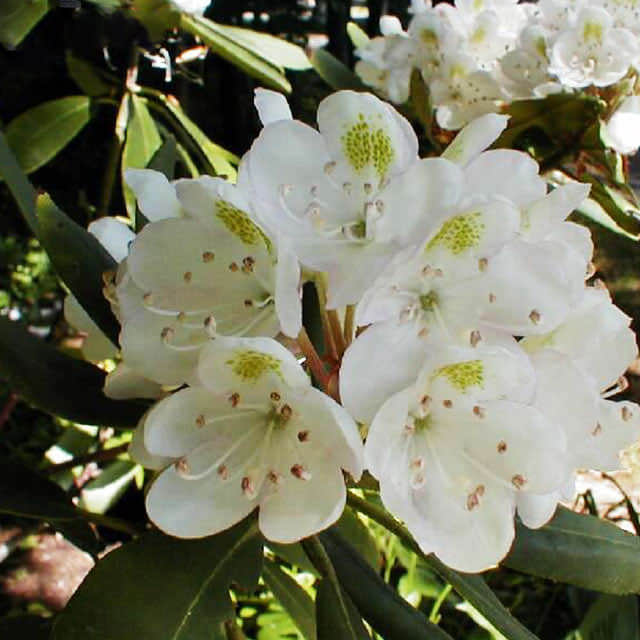
Why does your Rhododendron maximum have fine webbing? Diagnose the cause and fix it with our step-by-step guide.
These arachnids thrive in warm, dry conditions and feed on the undersides of Rhododendron leaves, secreting silk that creates characteristic fine webbing. The feeding process causes stippling (tiny white dots) on the foliage as the mites drain cell contents.
Eriophyid mites are microscopic and can produce fine, silky webbing or distortions on the leaf margins of Rhododendron. While less visually dramatic than spider mites, they cause localized damage to the leaf tissue.
While typically associated with different host plants, certain caterpillar species can create dense silk webs on large-leafed shrubs like Rhododendron maximum during their larval stages. This webbing is much thicker and more structural than mite silk.
Your plant might also be experiencing one of these issues:

 English
 Italiano


