Rhododendron maximum Sudden Leaf Drop
eco Sudden Leaf Drop

Rhododendron maximum – Sudden Leaf Drop

Why does your Rhododendron maximum have sudden leaf drop? Diagnose the cause and fix it with our step-by-step guide.

search Possible Causes

error

Phytophthora Root Rot

Oomycete pathogens like Phytophthora are common in Rhododendron maximum when soil drainage is poor. The pathogen attacks the root system, disrupting water transport and causing rapid, premature leaf senescence.

Very Common
lightbulb
How to confirm: Inspect the base of the stems for dark, water-soaked lesions and check if the soil remains saturated for long periods.
build How to fix it
shopping_cart Recommended Products
1 Immediately improve soil drainage by repotting the plant in a highly porous, well-aerated medium to suffocate the pathogen.
2 Prune away any mushy, darkened, or dead roots using sterilized shears to prevent the spread of the rot.
3 Monitor soil moisture levels closely with a meter to ensure the substrate remains moist but never waterlogged.
error

Severe Drought Stress

As an understory species, Great Laurel relies on consistent moisture. Sudden leaf drop is a defense mechanism to reduce transpiration when the plant can no longer pull water from desiccated soil.

Very Common
lightbulb
How to confirm: Check the deep soil layers for moisture and observe if the leaf margins were crisp/brown before falling.
build How to fix it
shopping_cart Recommended Products
1 Immediately deep-water the plant to rehydrate the root zone, ensuring the water reaches deep into the soil to combat desiccation.
2 Monitor soil moisture levels closely using an analog meter to ensure the soil remains consistently damp but not waterlogged.
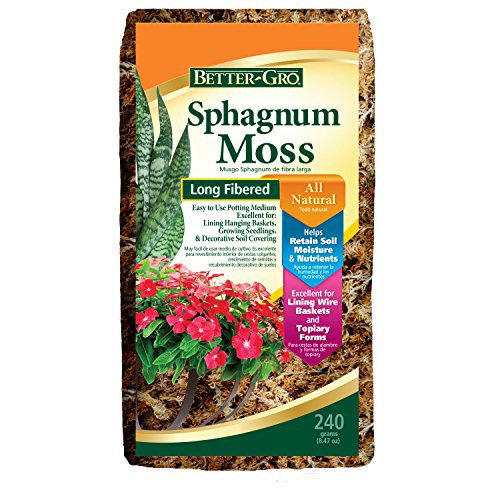
3 Apply a layer of organic mulch or sphagnum moss around the base of the plant to help retain soil moisture and regulate temperature.
warning

Winter Desiccation (Winter Burn)

Cold, dry winds can strip moisture from the leaves faster than the roots can replace it during winter dormancy. This often results in sudden leaf shedding once temperatures begin to rise in spring.

Common
lightbulb
How to confirm: Examine if the fallen leaves show signs of browning or necrosis on the edges that developed during freezing temperatures.
build How to fix it
shopping_cart Recommended Products
1 Apply a consistent layer of organic mulch around the base of the plant to insulate the root zone and retain soil moisture.
2 Monitor soil moisture levels closely during spring transitions to ensure the roots can keep up with transpiration demands.
3 Avoid heavy fertilizing during periods of stress; instead, use a specialized acid-loving fertilizer once new growth appears.
warning

Root Damage from Physical Disturbance

Rhododendron maximum has a shallow, fibrous root system. Recent heavy digging, construction, or even aggressive mulching can sever feeder roots, leading to immediate physiological shock and leaf drop.

Common
lightbulb
How to confirm: Check the area around the drip line for signs of recent soil movement, compaction, or mechanical injury to the root zone.
build How to fix it
shopping_cart Recommended Products
1 Gently stabilize the plant and avoid any further digging or heavy mulching around the base to prevent additional root severance.
2 Apply a liquid seaweed fertilizer to help the plant recover from physiological shock and stimulate new root development.
3 Monitor soil moisture levels closely using a moisture meter to ensure the shallow root system stays hydrated without becoming waterlogged.

Other Rhododendron maximum problems

Your plant might also be experiencing one of these issues:

local_hospital All symptoms eco All plants with sudden leaf drop
favorite