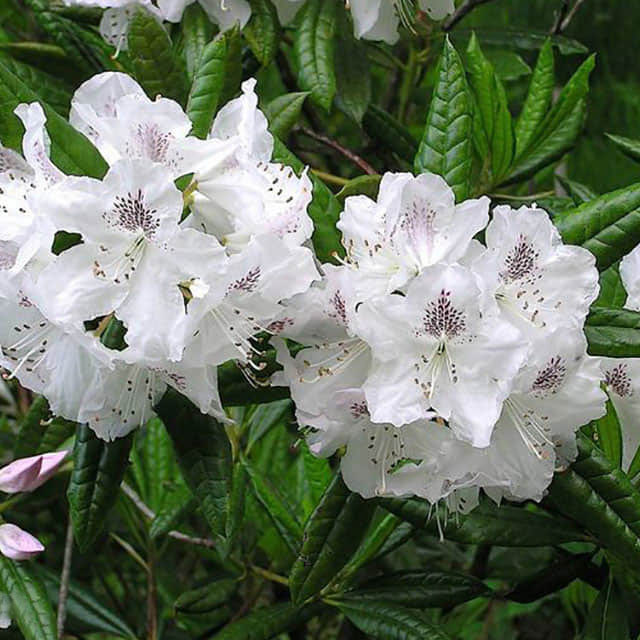
Rhododendron prunifolium Sudden Leaf Drop
eco Sudden Leaf Drop

Rhododendron prunifolium – Sudden Leaf Drop

Why does your Rhododendron prunifolium have sudden leaf drop? Diagnose the cause and fix it with our step-by-step guide.

search Possible Causes

error

Water Stress (Drought or Waterlogging)

Rhododendrons have shallow, fibrous root systems that are highly sensitive to moisture fluctuations. Rapid leaf drop in Plum-leaf Azaleas often occurs when the soil dries out completely or remains saturated, causing roots to suffocate or dehydrate.

Very Common
lightbulb
How to confirm: Insert your finger 2 inches into the soil; if it is bone dry or extremely muddy/sour-smelling, water stress is the culprit.
build How to fix it
shopping_cart Recommended Products
1 Check the soil moisture level immediately using a moisture meter to determine if the roots are dehydrated or suffocating from waterlogging.
2 If the soil is bone dry, deeply water the plant to reach the shallow root zone; if the soil is saturated, improve drainage by adding horticultural perlite to the potting mix.
3 Apply a specialized fertilizer for acid-loving plants to help the plant recover from the stress of moisture fluctuations.
error

Phytophthora Root Rot

This oomycete pathogen thrives in poorly draining soils common in acidic-loving species like R. prunifolium. The fungus attacks the root system, preventing nutrient transport and triggering an emergency shedding of leaves to reduce transpiration.

Very Common
lightbulb
How to confirm: Examine the base of the stem and roots for dark, water-soaked lesions or a distinct foul odor.
build How to fix it
shopping_cart Recommended Products
1 Immediately reduce watering frequency and ensure the plant is in a well-draining environment to stop the spread of the pathogen.
2 Repot the plant in a highly aerated, acidic medium and incorporate perlite to improve drainage and prevent future waterlogging.
3 Apply a specialized fertilizer for acid-loving plants to help the plant recover from the stress of the root infection.
warning

Environmental Shock (Temperature/Transplant)

Plum-leaf Azaleas are susceptible to sudden shifts in microclimate, such as late spring frosts or intense heatwaves. Sudden leaf drop is a common defense mechanism used by the plant to enter dormancy when environmental conditions become non-viable.

Common
lightbulb
How to confirm: Check if there has been a recent significant temperature swing or if the plant was moved to a new location within the last two weeks.
build How to fix it
shopping_cart Recommended Products
1 Stabilize the plant's environment by protecting it from extreme temperature fluctuations and intense direct sunlight during this recovery period.
2 Monitor soil moisture levels closely to ensure the plant remains hydrated but not waterlogged, using a moisture meter to prevent root rot during dormancy.
3 Apply a specialized fertilizer for acid-loving plants to support future growth once the plant stabilizes.
warning

Nutrient Deficiency (Nitrogen or Iron)

As an acidophile, R. prunifolium requires specific pH levels to uptake micronutrients. If the soil pH rises too high, iron chlorosis occurs; while usually marked by yellowing, extreme deficiency can lead to premature senescence and leaf drop.

Common
lightbulb
How to confirm: Look for interveinal yellowing on older leaves before the drop occurred.
build How to fix it
shopping_cart Recommended Products
1 Test your soil pH to ensure it remains in the acidic range (4.5 to 6.0) required for Rhododendrons to absorb iron and nitrogen.
2 Apply an acid-loving plant fertilizer to replenish essential nutrients and help lower soil pH.
3 Mulch the base of the plant with organic matter like sphagnum moss to help retain moisture and maintain acidity.

Other Rhododendron prunifolium problems

Your plant might also be experiencing one of these issues:

local_hospital All symptoms eco All plants with sudden leaf drop
favorite