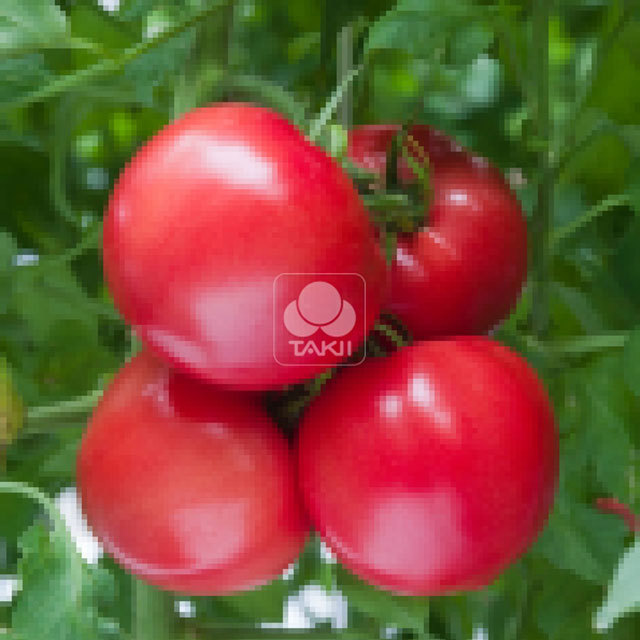
Solanum lycopersicum Tex-2720 F1 Drooping Leaves
eco Drooping Leaves

Solanum lycopersicum Tex-2720 F1 – Drooping Leaves

Why does your Solanum lycopersicum Tex-2720 F1 have drooping leaves? Diagnose the cause and fix it with our step-by-step guide.

search Possible Causes

error

Water Stress (Underwatering or Drought)

Tomato plants require consistent moisture to maintain turgor pressure in their large leaves; lack of water causes the cells to collapse, leading to wilting.

Very Common
lightbulb
How to confirm: Stick your finger 2 inches into the soil to see if it feels dry and brittle.
build How to fix it
shopping_cart Recommended Products
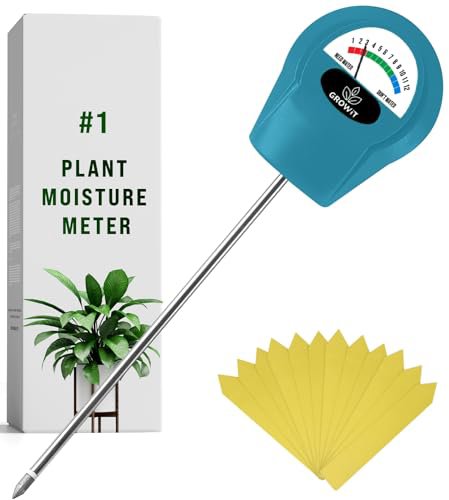
1 Immediately check the soil moisture level at the root zone to confirm the depth of the drought.
2 Apply a deep, thorough watering to the base of the plant, ensuring the soil is completely saturated to restore turgor pressure.
3 Mulch the soil surface with organic matter to help retain moisture and prevent future evaporation.
error

Fusarium Wilt (Fusarium oxysporum f. sp. lycopersici)

This soil-borne fungus invades the vascular system of the tomato plant, blocking water transport and causing characteristic one-sided drooping or wilting.

Very Common
lightbulb
How to confirm: Check if the leaves on one side of a stem are wilting before the other, or slice a small section of the stem to look for brown vascular discoloration.
build How to fix it
shopping_cart Recommended Products
1 Immediately remove and destroy the infected plant and any surrounding debris to prevent the soil-borne fungus from spreading to healthy tomatoes.
2 Sterilize all gardening tools, such as your pruning shears, with alcohol to avoid transferring fungal spores to other plants.
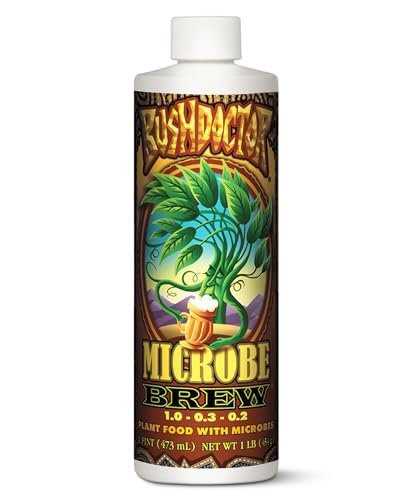
3 Apply a microbial-based soil treatment to boost the root zone's resilience and help suppress soil-borne pathogens.
warning

Overwatering and Root Rot (Pythium or Phytophthora)

Excessive water in the soil displaces oxygen, causing roots to decay and rendering them unable to absorb water, which paradoxically causes the foliage to droop.

Common
lightbulb
How to confirm: Inspect the base of the stem and the roots for any signs of dark, mushy, or foul-smelling tissue.
build How to fix it
shopping_cart Recommended Products
1 Immediately stop watering and allow the soil to dry out significantly to restore oxygen to the root zone.
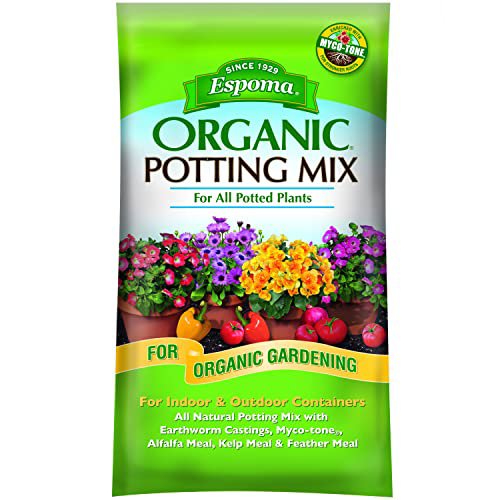
2 Repot the tomato plant in a fresh, well-draining medium enriched with perlite to improve aeration and prevent future rot.
3 Prune away any mushy, blackened, or dead roots and stems to prevent the spread of the pathogen.
warning

Bacterial Wilt (Ralstonia solanacearum)

This bacterium enters through root wounds and rapidly colonizes the xylem, causing sudden wilting of the entire plant even when soil moisture is adequate.

Common
lightbulb
How to confirm: Cut a wilted stem and place it in a clear glass of water to see if a milky white bacterial ooze emerges from the cut end.
build How to fix it
shopping_cart Recommended Products
1 Immediately remove and destroy the infected plant and all surrounding debris to prevent the bacteria from spreading to healthy tomatoes via soil or water.
2 Sterilize all gardening tools, such as pruning shears, with a 10% bleach solution or alcohol to avoid cross-contamination of the bacteria.
3 Avoid planting Solanaceous crops like tomatoes or peppers in this area for at least two years, and consider amending the soil with organic matter to improve health.

Other Solanum lycopersicum Tex-2720 F1 problems

Your plant might also be experiencing one of these issues:

local_hospital All symptoms eco All plants with drooping leaves
favorite