Solanum lycopersicum Tex-2720 F1 Leggy Stems
eco Leggy Stems

Solanum lycopersicum Tex-2720 F1 – Leggy Stems

Why does your Solanum lycopersicum Tex-2720 F1 have leggy stems? Diagnose the cause and fix it with our step-by-step guide.

search Possible Causes

error

Insufficient Light Intensity

Tomato seedlings, especially high-yield hybrids like Tex-2720, undergo etiolation when they cannot meet their metabolic energy demands through photosynthesis. The plant rapidly elongates cells to search for a light source, resulting in weak, spindly stems.

Very Common
lightbulb
How to confirm: Check if the distance between your light source and the top of the plants is greater than 3-4 inches.
build How to fix it
shopping_cart Recommended Products
1 Increase light intensity immediately by placing the seedlings closer to a light source or using a high-output grow light to support photosynthesis.
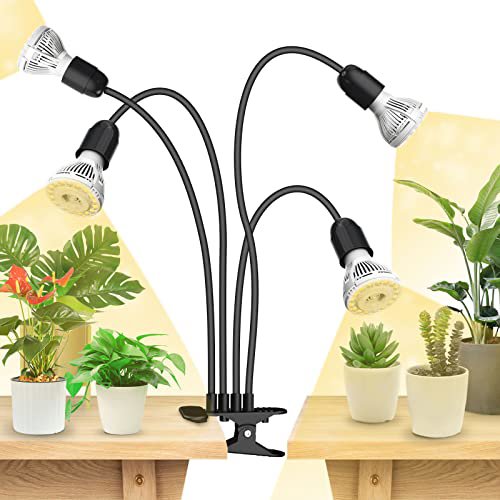
2 Supplement existing lighting with a full-spectrum LED grow bulb to provide the necessary PPFD for robust stem development.
3 Prune any excessively weak or dead tissue and ensure the seedlings are in a well-draining medium to prevent secondary issues like damping-off.
warning

Temperature Extremes (Heat Stress)

Excessive ambient temperatures, particularly during the night, can stimulate rapid stem elongation in Solanum lycopersicum. High heat increases respiration rates, causing the plant to consume carbohydrates faster than it can produce them via photosynthesis.

Common
lightbulb
How to confirm: Monitor your grow space for nighttime temperatures exceeding 75°F (24°C).
build How to fix it
shopping_cart Recommended Products
1 Relocate the plant to a cooler environment or provide shade during peak heat hours to reduce respiration rates and prevent further stem elongation.
2 Supplement lighting with a full-spectrum grow light to boost photosynthesis and provide the energy needed to strengthen the stems.
3 Apply a balanced liquid fertilizer to replenish carbohydrates and nutrients lost during heat-induced respiration.
warning

Nitrogen-Heavy Fertilization

An imbalance in nutrient ratios, specifically an overabundance of nitrogen relative to potassium and phosphorus, promotes rapid vegetative growth. This can lead to structural weakness where the stem grows too fast for lignin deposition to support it.

Common
lightbulb
How to confirm: Review your recent fertilizer application to see if it is a high-nitrogen 'starter' formula.
build How to fix it
shopping_cart Recommended Products
1 Balance the nutrient ratio by applying a fertilizer higher in phosphorus and potassium to support stem strength and fruit development.
2 Increase light intensity or duration to prevent further stretching of the stems.
3 Prune any excessively weak or non-functional growth to redirect energy toward structural development.
warning

Overwatering and Poor Aeration

Consistently saturated substrate reduces oxygen availability to the root system, causing physiological stress. This stress can trigger hormonal shifts (increased auxin) that lead to elongated, weak growth patterns as the plant struggles to maintain turgor.

Common
lightbulb
How to confirm: Insert a finger into the soil up to the second knuckle to see if the medium remains wet for several days after watering.
build How to fix it
shopping_cart Recommended Products
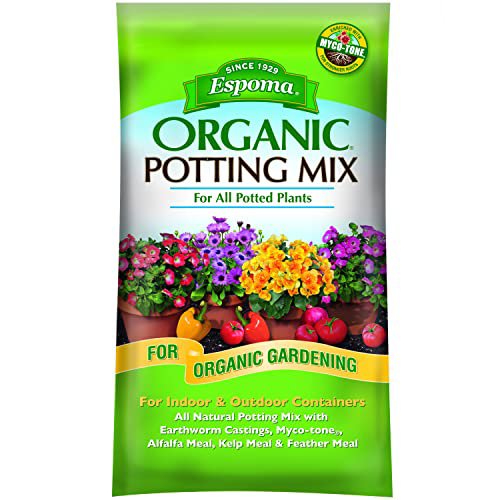
1 Improve soil aeration by mixing in horticultural perlite to prevent substrate saturation and increase oxygen availability to the roots.
2 Monitor soil moisture levels closely using an analog moisture meter to ensure you only water when the top layer of soil is dry, preventing future overwatering.
3 Ensure the plant receives adequate light intensity to prevent further etiolation (stretching) of the stems.

Other Solanum lycopersicum Tex-2720 F1 problems

Your plant might also be experiencing one of these issues:

local_hospital All symptoms eco All plants with leggy stems
favorite