Solanum lycopersicum Tex-2720 F1 Yellow Leaves
eco Yellow Leaves

Solanum lycopersicum Tex-2720 F1 – Yellow Leaves

Why does your Solanum lycopersicum Tex-2720 F1 have yellow leaves? Diagnose the cause and fix it with our step-by-step guide.

search Possible Causes

error

Nitrogen Deficiency

Nitrogen is a mobile nutrient; when lacking, the plant redistributes it from older leaves to new growth, causing uniform yellowing (chlorosis) of the bottom leaves first.

Very Common
lightbulb
How to confirm: Observe if the yellowing started on the oldest, lowest leaves while newer growth remains green.
build How to fix it
shopping_cart Recommended Products
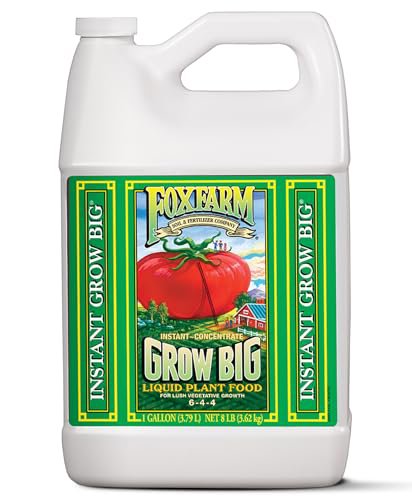
1 Apply a nitrogen-rich liquid fertilizer to provide immediate nutrient uptake for the tomato plant.
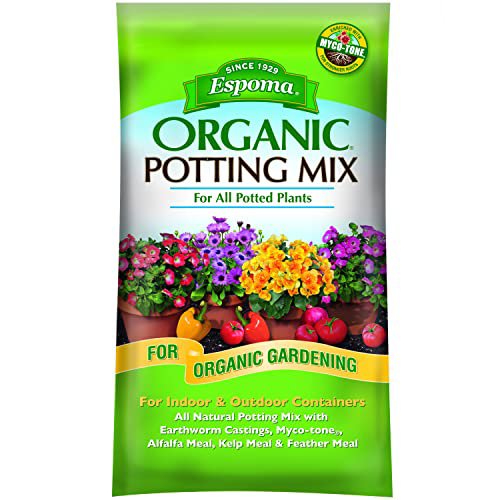
2 Supplement the soil with a balanced organic fertilizer to ensure long-term nitrogen availability.
3 Monitor soil moisture levels to ensure the plant can effectively absorb the newly applied nutrients.
error

Overwatering / Root Hypoxia

Excessive moisture in the soil displaces oxygen, causing root suffocation. This prevents the Tex-2720 F1 hybrid from transporting essential nutrients to the foliage.

Very Common
lightbulb
How to confirm: Stick your finger 2 inches into the soil; if it is saturated and the stems feel soft, it is likely overwatering.
build How to fix it
shopping_cart Recommended Products
1 Immediately reduce watering frequency and allow the top inch of soil to dry out completely before watering again to restore oxygen to the root zone.
2 Ensure the plant is in a container with excellent drainage and consider adding perlite to the soil to improve aeration and prevent future waterlogging.
3 If the soil remains saturated, repot the tomato plant in a fresh, well-draining medium to prevent further root rot.
warning

Magnesium Deficiency

A common micronutrient deficiency in tomatoes that manifests as interveinal chlorosis, where the veins remain green but the tissue between them turns yellow.

Common
lightbulb
How to confirm: Check if the yellowing is specifically localized between the leaf veins on older leaves.
build How to fix it
shopping_cart Recommended Products
1 Apply a magnesium-rich supplement to the soil to quickly address the interveinal chlorosis.
2 Ensure the plant is receiving consistent moisture and avoid overwatering, as excess water can leach magnesium from the soil.
3 Supplement the soil with organic amendments like worm castings to improve overall nutrient availability and soil health.
warning

Early Blight (Alternaria solani)

This fungal pathogen causes yellowing of lower leaves, often accompanied by dark, concentric ring-shaped spots on the chlorotic tissue.

Common
lightbulb
How to confirm: Inspect the yellowed areas for small, dark, target-like lesions.
build How to fix it
shopping_cart Recommended Products
1 Remove and destroy all infected lower leaves to prevent the fungal spores from spreading to healthy foliage.
2 Apply an organic fungicide to the affected plant to control the spread of the Alternaria solani pathogen.
3 Improve air circulation around the plant and avoid overhead watering to keep the foliage dry and reduce humidity.

Other Solanum lycopersicum Tex-2720 F1 problems

Your plant might also be experiencing one of these issues:

local_hospital All symptoms eco All plants with yellow leaves
favorite