Spinacia oleracea Leggy Stems
eco Leggy Stems

Spinacia oleracea – Leggy Stems

Why does your Spinacia oleracea have leggy stems? Diagnose the cause and fix it with our step-by-step guide.

pets Pet Friendly

search Possible Causes

error

Insufficient Light (Etiolation)

Spinach is a cool-season crop that requires adequate light to maintain structural integrity. When light levels are low, the plant prioritizes rapid vertical growth to reach a light source, resulting in weak, elongated stems.

Very Common
lightbulb
How to confirm: Observe if the leaves are pale and if the stems appear thin and unable to support their own weight.
build How to fix it
shopping_cart Recommended Products
1 Move your spinach to a location with much higher light intensity or supplement with a full-spectrum grow light to prevent further stretching.
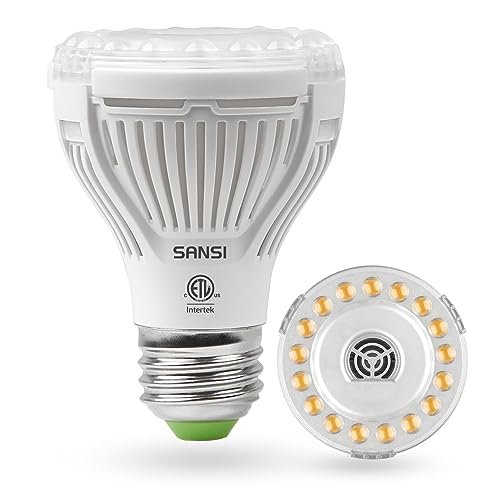
2 Use a grow light with a high PPFD, such as a SANSI LED bulb, to provide the necessary energy for structural development.
3 Prune away the most severely elongated and weak stems to allow the remaining healthy growth to focus on strength rather than height.
error

High Ambient Temperatures

As a cool-season plant, spinach enters a rapid growth phase or attempts to bolt when temperatures rise. This heat stress causes the plant to stretch vertically and lose its compact rosette shape.

Very Common
lightbulb
How to confirm: Check if recent daytime temperatures have consistently exceeded 75°F (24°C).
build How to fix it
shopping_cart Recommended Products
1 Relocate the spinach to a cooler, shaded area or use a shade cloth to reduce direct heat exposure and prevent further bolting.
2 Increase soil moisture consistency to mitigate heat stress, using a moisture meter to ensure the root zone stays cool.
3 Apply a light mulch or organic amendment like worm castings to help regulate soil temperature and improve moisture retention.
warning

Over-fertilization with Nitrogen

Excessive nitrogen availability can trigger rapid, succulent vegetative growth. While this creates green leaves, it often results in weak, spindly stems that lack the necessary cellulose strength.

Common
lightbulb
How to confirm: Review your recent fertilization schedule to see if high-nitrogen inputs were applied recently.
build How to fix it
shopping_cart Recommended Products
1 Flush the soil thoroughly with plain, room-temperature water to leach out excess nitrogen salts from the root zone.
2 Repot the spinach in fresh, balanced potting soil to provide a more stable nutrient environment and prevent further nitrogen toxicity.
3 Ensure the plant receives adequate light to strengthen stem structure and prevent further stretching.
warning

Inconsistent Watering Regimes

Fluctuating moisture levels can cause physiological stress that disrupts normal growth patterns. Periods of drought followed by heavy watering can lead to sudden spurts of weak, leggy stem development.

Common
lightbulb
How to confirm: Check the soil moisture at a depth of 1 inch to see if it is drying out too completely between waterings.
build How to fix it
shopping_cart Recommended Products
1 Stabilize the moisture levels by using a soil moisture meter to ensure the soil remains consistently damp but not waterlogged.
2 Apply a balanced liquid fertilizer to help strengthen the plant's structure and recover from physiological stress.
3 Ensure the spinach receives adequate, consistent light to prevent further stretching and leggy growth.

Other Spinacia oleracea problems

Your plant might also be experiencing one of these issues:

local_hospital All symptoms eco All plants with leggy stems
favorite