Spinacia oleracea Yellow Leaves
eco Yellow Leaves

Spinacia oleracea – Yellow Leaves

Why does your Spinacia oleracea have yellow leaves? Diagnose the cause and fix it with our step-by-step guide.

pets Pet Friendly

search Possible Causes

error

Nitrogen Deficiency

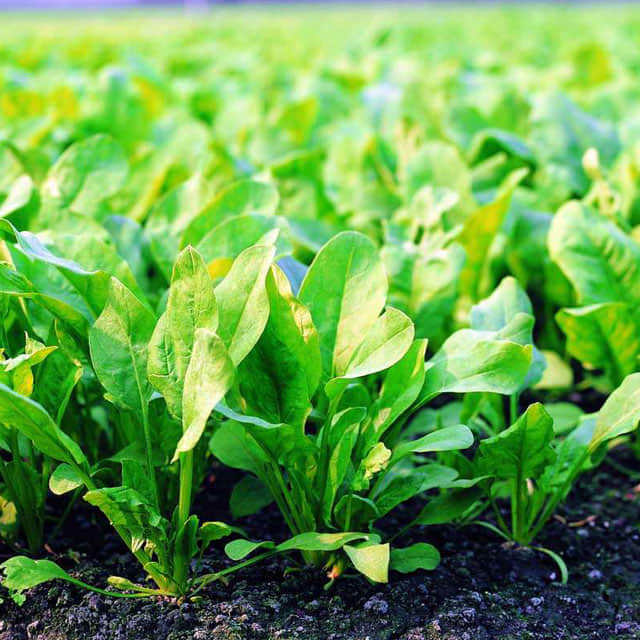
Spinach is a heavy feeder with high nitrogen requirements for leaf development. A deficiency typically manifests as chlorosis (yellowing) starting with the older, lower leaves first.

Very Common
lightbulb
How to confirm: Check if the yellowing is progressing from bottom to top and consider applying a nitrogen-rich organic fertilizer.
build How to fix it
shopping_cart Recommended Products
1 Apply a nitrogen-rich organic fertilizer to boost leaf production and greening.
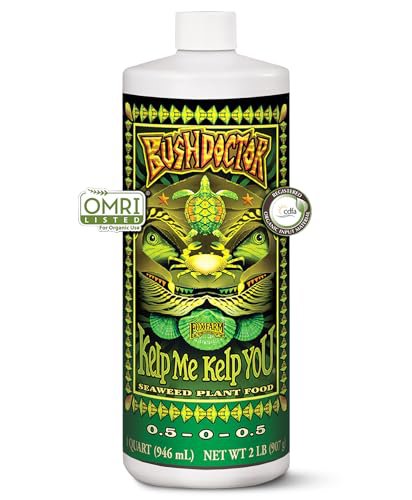
2 Supplement with a liquid seaweed fertilizer to improve nutrient uptake and overall plant vigor.
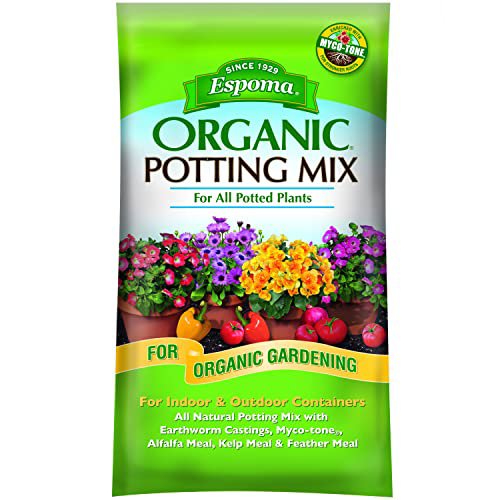
3 Ensure the soil is well-aerated and enriched with organic matter to support heavy feeding.
error

Excessive Soil Moisture/Waterlogging

Spinach roots are sensitive to anaerobic conditions. Overwatering causes root suffocation, leading to yellowing leaves as the plant loses its ability to transport nutrients.

Very Common
lightbulb
How to confirm: Stick your finger two inches into the soil; if it feels saturated or muddy, reduce irrigation frequency.
build How to fix it
shopping_cart Recommended Products
1 Immediately reduce watering frequency and ensure the plant is in a well-draining environment to allow the soil to dry out.
2 Repot the spinach in a highly aerated medium by mixing in horticultural perlite to improve drainage and prevent future waterlogging.
3 Check the drainage of your container; if using a pot without holes, transition to a container like the Root & Vessel Cylinder Pot which features an integrated drainage tray.
error

Temperature Stress (Heat)

Spinach is a cool-season crop. High temperatures cause physiological stress and can trigger 'bolting,' where the plant shifts energy from leaves to seed production, resulting in yellowing.

Very Common
lightbulb
How to confirm: Check for signs of flowering or elongated stems which indicate heat-induced bolting.
build How to fix it
shopping_cart Recommended Products
1 Relocate the spinach to a cooler, shaded area or use a shade cloth to protect the leaves from direct, intense sunlight and heat.
2 Apply a mulch layer around the base of the plant to help regulate soil temperature and retain moisture.
3 Monitor soil moisture levels closely to ensure the roots stay cool and hydrated during heat waves.
warning

Iron Chlorosis

In alkaline soils (high pH), iron becomes chemically unavailable to the spinach plant. This results in interveinal chlorosis, where veins remain green while the leaf tissue turns yellow.

Common
lightbulb
How to confirm: Examine if new growth is turning yellow while leaf veins remain distinctly dark green.
build How to fix it
shopping_cart Recommended Products
1 Lower the soil pH by applying an acidifying amendment to make iron more bioavailable to the spinach.
2 Apply a chelated iron supplement or a balanced liquid fertilizer to provide immediate iron uptake.
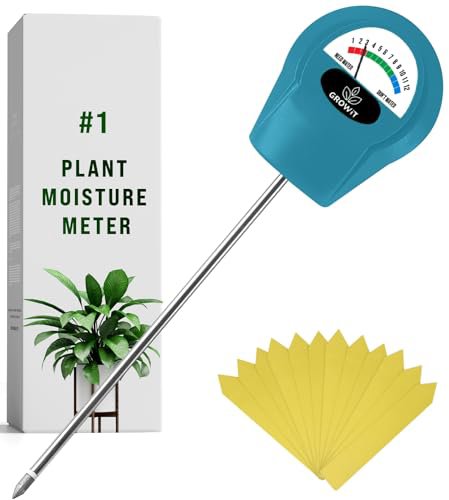
3 Monitor soil acidity levels regularly using a pH tester to ensure the environment remains in the ideal acidic range for spinach.

Other Spinacia oleracea problems

Your plant might also be experiencing one of these issues:

local_hospital All symptoms eco All plants with yellow leaves
favorite