Thymus pulegioides Drooping Leaves
eco Drooping Leaves

Thymus pulegioides – Drooping Leaves

Why does your Thymus pulegioides have drooping leaves? Diagnose the cause and fix it with our step-by-step guide.

search Possible Causes

error

Overwatering and Root Rot

Thymus pulegioides is highly susceptible to fungal pathogens like Phytophthora if the soil remains saturated. Excessive moisture suffocates the roots, leading to a loss of turgor pressure and characteristic drooping.

Very Common
lightbulb
How to confirm: Stick your finger deep into the soil; if it feels muddy or stays damp for days, root rot is likely.
build How to fix it
shopping_cart Recommended Products
1 Immediately remove the plant from its current container and inspect the roots for mushy, dark, or foul-smelling rot; trim away any decayed root tissue using sterilized shears.
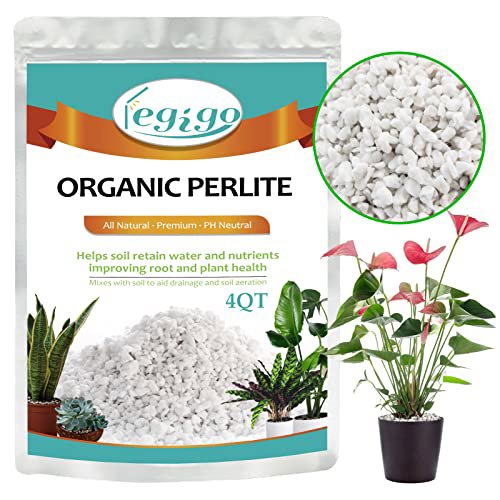
2 Repot the thyme in a well-draining, fresh medium enriched with perlite to improve aeration and prevent future waterlogging.
3 Use a moisture meter to monitor the soil, ensuring you only water when the top inch of soil is completely dry to avoid further saturation.
error

Underwatering/Drought Stress

As a Mediterranean-style herb, thyme prefers well-draining soil but still requires consistent moisture to maintain leaf turgidity. Extreme dehydration causes the small leaves to wilt and droop to conserve water.

Very Common
lightbulb
How to confirm: Check if the soil is bone dry and if the stems feel brittle or thin.
build How to fix it
shopping_cart Recommended Products
1 Check the soil moisture level immediately using a moisture meter to confirm the depth of dehydration.
2 Thoroughly water the plant until water drains from the bottom of the pot, ensuring the root ball is fully saturated.
3 To prevent future drought stress, ensure the plant is in a well-draining medium and consider adding perlite to improve aeration and moisture retention.
warning

Fungal Leaf Spot (Septoria or similar)

High humidity or overhead watering can promote fungal infections on the foliage of creeping thyme. This can cause individual leaves to lose structural integrity and droop before eventually turning brown.

Common
lightbulb
How to confirm: Inspect the undersides of the drooping leaves for small dark spots or fuzzy growth.
build How to fix it
shopping_cart Recommended Products
1 Remove and discard all heavily infected or drooping leaves to prevent the fungus from spreading to healthy foliage.
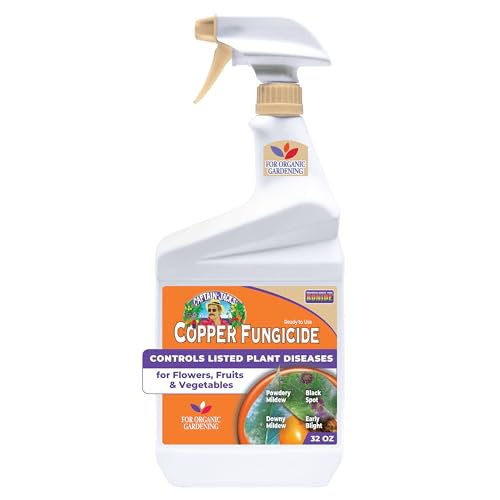
2 Apply an organic fungicide to the affected plant to control the spread of the fungal infection.
3 Adjust your watering technique to water only at the base of the plant, keeping the foliage dry, and ensure the soil has excellent drainage.
warning

Root Bound/Pot Constraint

Because Thyme pulegioides has a spreading, mat-forming habit, it can quickly become root-bound in containers. When the root mass occupies all available space, the plant cannot absorb enough water to support its foliage.

Common
lightbulb
How to confirm: Gently lift the plant from its pot to see if roots are circling tightly around the edges of the container.
build How to fix it
shopping_cart Recommended Products
1 Repot the thyme into a larger container to provide more space for the expanding root system.
2 Use a fresh, well-draining potting medium to ensure adequate aeration and moisture retention for the new roots.
3 Monitor the soil moisture levels closely during the transition to prevent overwatering the stressed plant.

Other Thymus pulegioides problems

Your plant might also be experiencing one of these issues:

local_hospital All symptoms eco All plants with drooping leaves
favorite