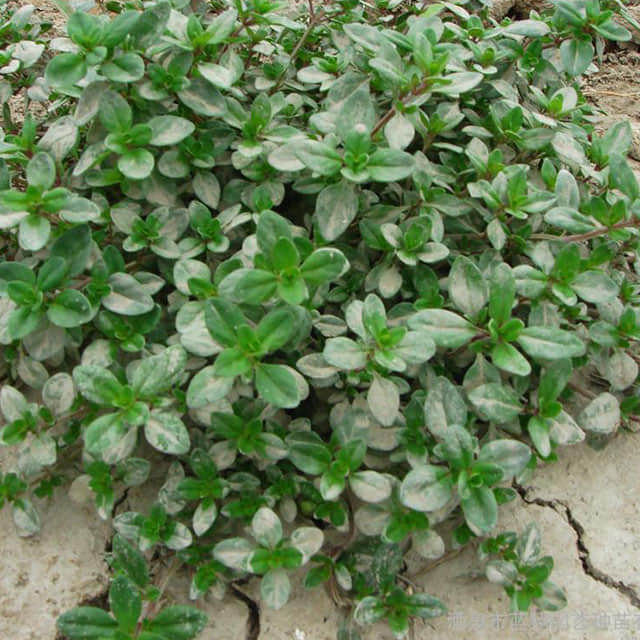
Thymus pulegioides Fine Webbing
eco Fine Webbing

Thymus pulegioides – Fine Webbing

Why does your Thymus pulegioides have fine webbing? Diagnose the cause and fix it with our step-by-step guide.

search Possible Causes

error

Two-Spotted Spider Mites (Tetranychus urticae)

These microscopic arachnids thrive in the warm, dry conditions often experienced by Thyme. They pierce individual plant cells to suck out contents, leaving behind fine silken webs and causing the characteristic stippling on thyme leaves.

Very Common
lightbulb
How to confirm: Hold a white piece of paper underneath a leaf and tap the plant to see if tiny crawling specks fall onto the paper.
build How to fix it
shopping_cart Recommended Products
1 Immediately spray the plant with an organic miticide to eliminate the spider mite population and destroy eggs.
2 Increase humidity around the thyme and wipe leaves with a damp cloth to physically remove webbing and disrupt the mites' dry environment.
3 Monitor soil moisture levels to ensure the plant is not becoming too dry, as drought stress encourages mite outbreaks.
warning

Edible Mite Infestation

Certain species of mites specifically target low-growing Mediterranean herbs like Thymus pulegioides. They create dense webbing that can cause the creeping foliage to appear clumped or 'matted' as they feed on the tender stems.

Common
lightbulb
How to confirm: Inspect the underside of the leaves closely for tiny, moving dots that are much slower than flies but faster than many fungi.
build How to fix it
shopping_cart Recommended Products
1 Apply an organic miticide to eliminate the mites and destroy any remaining eggs or larvae within the webbing.
2 Prune away any heavily matted or dead foliage to improve airflow and reduce the mite's hiding spots.
3 Monitor soil moisture levels closely, as mites often thrive in overly dry conditions; use a moisture meter to ensure consistent hydration.
warning

Tenuipalpus (False Spider Mites) Infestation

While less destructive than true spider mites, these can produce light webbing in humid microclimates within dense thyme mats. They primarily feed on the newer, more succulent growth of the plant.

Common
lightbulb
How to confirm: Check if the webbing is localized only to the newest, softest growth at the tips of the stems.
build How to fix it
shopping_cart Recommended Products
1 Apply an organic insecticide spray to eliminate the false spider mite population and destroy any remaining eggs or larvae.
2 Prune away any heavily infested or excessively dense foliage to improve airflow and reduce the humid microclimates that favor mite development.
3 Monitor soil moisture levels to ensure the plant is not being overwatered, as excessive moisture can contribute to the humidity levels mites prefer.

Other Thymus pulegioides problems

Your plant might also be experiencing one of these issues:

local_hospital All symptoms eco All plants with fine webbing
favorite

