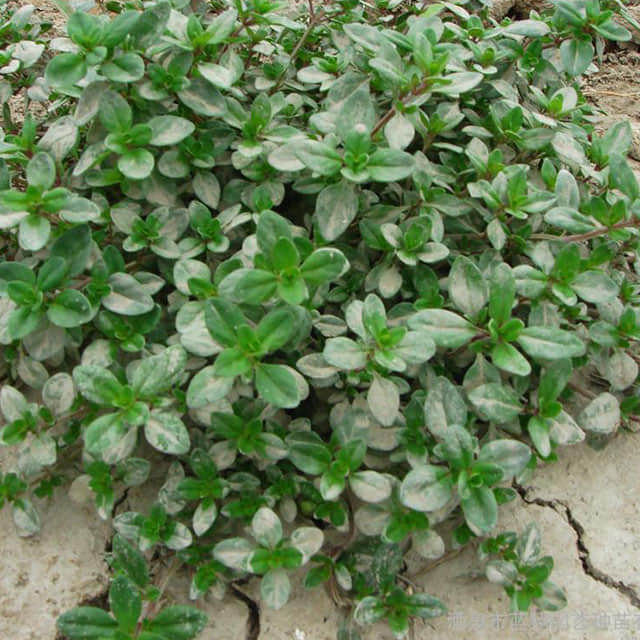
Why does your Thymus pulegioides have tiny black flies? Diagnose the cause and fix it with our step-by-step guide.
The tiny black flies are likely Fungus Gnat adults, whose larvae thrive in the damp, organic-rich soil often found in thyme pots. They feed on decaying organic matter and can damage the delicate root system of Thymus pulegioides if infestations become heavy.
Thymus pulegioides is a Mediterranean herb that requires well-draining soil; excessive moisture attracts fungus gnats and encourages fungal pathogens. The presence of flies often indicates the substrate is too moist for this species' physiological needs.
While less common, certain small flies (Sciaridae) are attracted to the microclimate created by the dense, low-growing foliage of creeping thyme. These insects rely on the high humidity levels trapped within the plant's mat to complete their life cycle.
Your plant might also be experiencing one of these issues:

 English
 Italiano