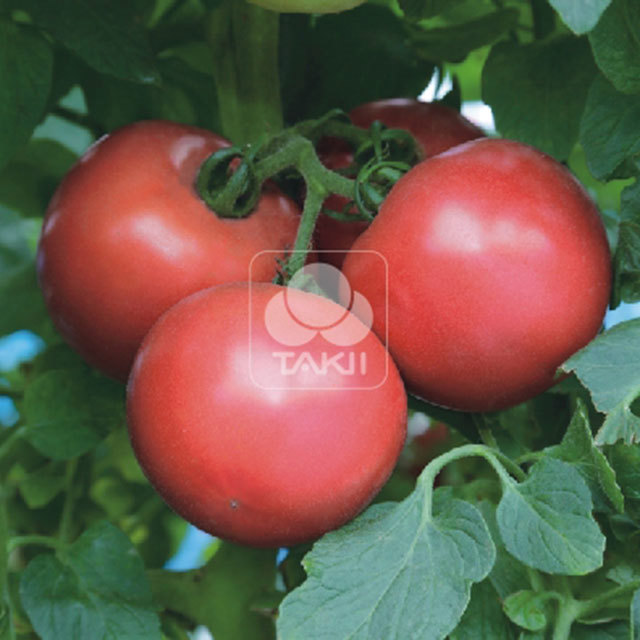
Tomato Pink Treat F1 Drooping Leaves
eco Drooping Leaves

Tomato Pink Treat F1 – Drooping Leaves

Why does your Tomato Pink Treat F1 have drooping leaves? Diagnose the cause and fix it with our step-by-step guide.

search Possible Causes

error

Water Stress (Underwatering or Overwatering)

As a determinate variety, Pink Treat tomatoes require consistent moisture. Underwatering causes loss of turgor pressure, while overwatering leads to root hypoxia and subsequent wilting despite wet soil.

Very Common
lightbulb
How to confirm: Stick your finger two inches into the soil; if it is bone dry, the plant needs water, but if it is soggy, you are overwatering.
build How to fix it
shopping_cart Recommended Products
1 Check the soil moisture level at the root zone using a moisture meter to determine if the plant is suffering from dehydration or root rot.
2 If the soil is bone dry, water the plant thoroughly until water drains from the bottom; if the soil is saturated, allow it to dry out completely before next watering.
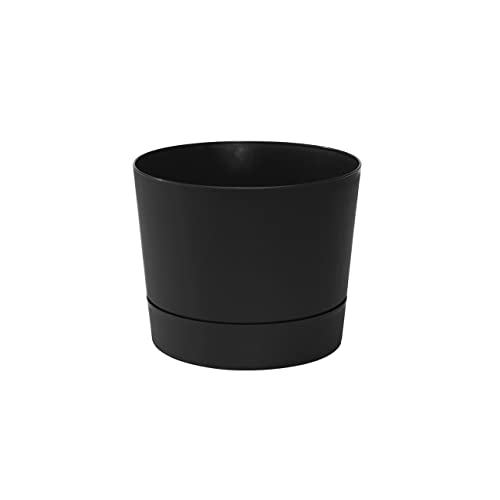
3 Ensure the plant is in a container with excellent drainage, such as a Root & Vessel pot, to prevent water from pooling around the roots.
error

Extreme Heat Stress

High temperatures cause the tomato plant to increase transpiration rates beyond its ability to pull water from the roots, resulting in temporary midday drooping.

Very Common
lightbulb
How to confirm: Observe if the leaves recover and perk up during the cooler evening or early morning hours.
build How to fix it
shopping_cart Recommended Products
1 Provide immediate relief by moving the plant to a shaded area or using a shade cloth to reduce direct solar radiation during peak heat hours.
2 Monitor soil hydration levels closely to ensure the plant can meet increased transpiration demands; use a moisture meter to prevent the soil from drying out completely.
3 Apply a mulch layer around the base of the plant to help regulate soil temperature and reduce moisture evaporation from the root zone.
warning

Fusarium Wilt

This soil-borne fungal pathogen invades the vascular system of the tomato plant, physically blocking water transport and causing unilateral or general leaf drooping.

Common
lightbulb
How to confirm: Check if the wilting starts on one side of a leaf or one side of the plant, and look for browning of the stem tissue near the base.
build How to fix it
shopping_cart Recommended Products
1 Immediately remove and destroy the infected plant and any surrounding debris to prevent the soil-borne fungus from spreading to healthy plants.
2 Sterilize all gardening tools, such as your pruning shears, with alcohol to avoid cross-contamination of the pathogen.
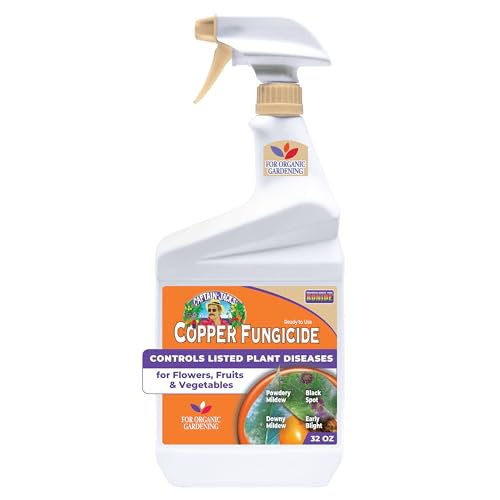
3 Treat the soil or surrounding area with a fungicide to manage fungal presence, and ensure future plantings use fresh, sterilized potting medium.
warning

Bacterial Wilt (Ralstonia solanacearum)

This bacterium enters through root wounds and rapidly colonizes the xylem, leading to sudden, severe drooping even when soil moisture is adequate.

Common
lightbulb
How to confirm: Cut a wilted stem and place it in a clear glass of water; if a milky white bacterial ooze emerges, it is bacterial wilt.
build How to fix it
shopping_cart Recommended Products
1 Immediately remove and destroy the infected plant and all surrounding debris to prevent the bacteria from spreading to healthy tomatoes via soil or water.
2 Sterilize all gardening tools, such as pruning shears, with alcohol or a bleach solution to avoid cross-contamination of the bacteria.
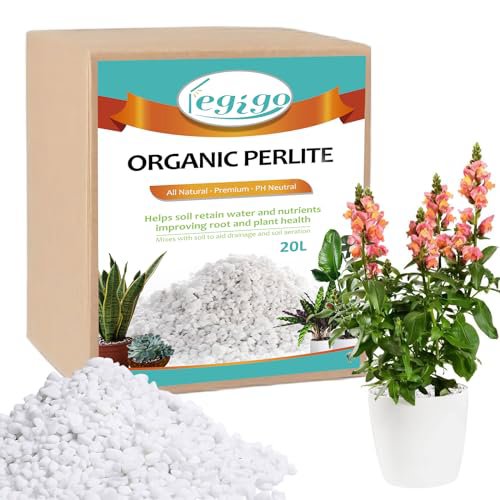
3 For future plantings, improve soil drainage by incorporating perlite or coarse sand to prevent the root wounds that allow bacteria entry.

Other Tomato Pink Treat F1 problems

Your plant might also be experiencing one of these issues:

local_hospital All symptoms eco All plants with drooping leaves
favorite