Tomato Pink Treat F1 Tiny Black Flies
eco Tiny Black Flies

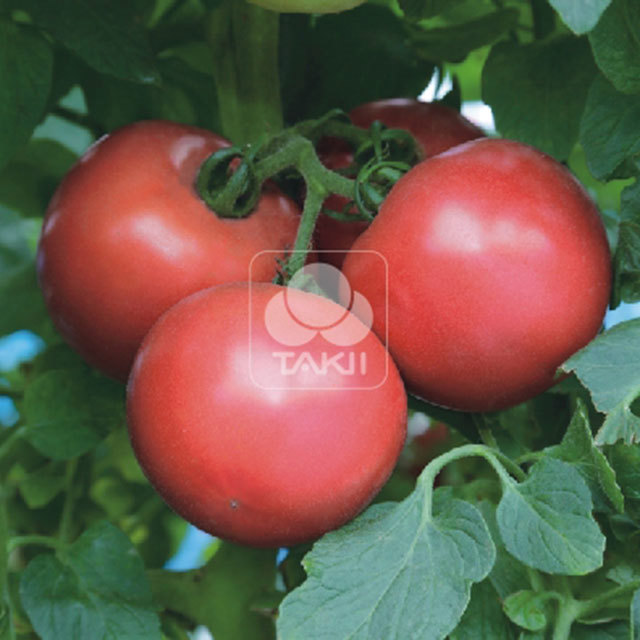
Tomato Pink Treat F1 – Tiny Black Flies

Why does your Tomato Pink Treat F1 have tiny black flies? Diagnose the cause and fix it with our step-by-step guide.

search Possible Causes

error

Fungus Gnats

These tiny black flies typically live in the organic matter of the potting soil. Their larvae feed on organic debris and can damage the fine root hairs of Pink Treat tomatoes, potentially leading to nutrient deficiencies.

Very Common
lightbulb
How to confirm: Place a yellow sticky trap near the base of the plant to see if small flies are captured.
build How to fix it
shopping_cart Recommended Products
1 Deploy yellow sticky traps to capture the adult flying gnats and break the breeding cycle.
2 Reduce watering frequency and allow the top inch of soil to dry out to eliminate the moist environment larvae need to thrive.
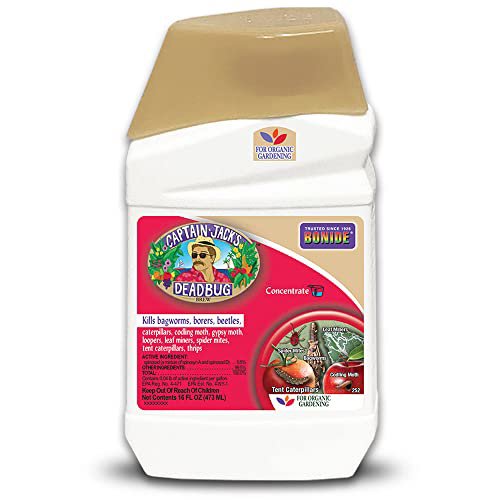
3 Apply a microbial-based treatment or organic insecticide to target the larvae living in the organic matter.
warning

Black Scab (Scab fungus) secondary infestation

While Black Scab is a fungal disease affecting the fruit skin, the resulting necrotic lesions can sometimes attract various small flies looking for moisture and decaying plant matter.

Common
lightbulb
How to confirm: Inspect the pink flesh and skin of the tomato fruit for corky, raised, dark-colored patches.
build How to fix it
shopping_cart Recommended Products
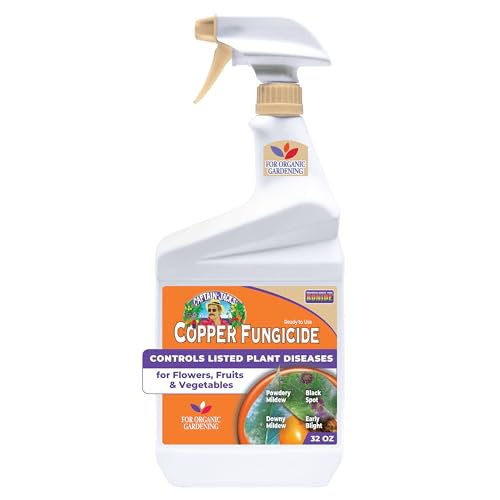
1 Apply an organic fungicide to treat the underlying Black Scab fungus and prevent further fruit decay.
2 Deploy yellow sticky traps to capture and reduce the population of the tiny black flies.
3 Remove and destroy any heavily infected fruit or plant debris to eliminate the breeding ground for flies and fungal spores.
warning

Fruit Flies (Drosophila)

If any Pink Treat tomatoes have begun to overripen or crack due to high humidity, they will emit fermentation odors that attract fruit flies to the plant canopy.

Common
lightbulb
How to confirm: Check for any bruised, cracked, or softening fruit near the stem of the tomato plant.
build How to fix it
shopping_cart Recommended Products
1 Inspect and remove any overripe, cracked, or fermenting tomatoes from the plant to eliminate the primary food source and scent attracting the flies.
2 Deploy yellow sticky traps near the plant canopy to capture adult fruit flies and monitor the infestation level.
3 Reduce humidity around the plant and ensure proper airflow to prevent further fruit cracking and fermentation.

Other Tomato Pink Treat F1 problems

Your plant might also be experiencing one of these issues:

local_hospital All symptoms eco All plants with tiny black flies
favorite