Tomato Pink Treat F1 Fine Webbing
eco Fine Webbing

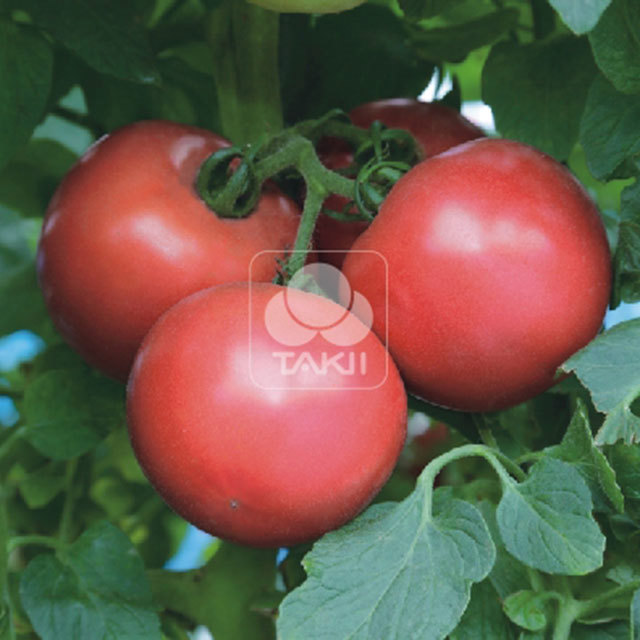
Tomato Pink Treat F1 – Fine Webbing

Why does your Tomato Pink Treat F1 have fine webbing? Diagnose the cause and fix it with our step-by-step guide.

search Possible Causes

error

Two-Spotted Spider Mite Infestation

Spider mites are the most common cause of fine webbing on tomato plants, especially in warm, dry conditions. They pierce plant cells to feed, causing stippling (tiny yellow dots) and silk webs that trap debris.

Very Common
lightbulb
How to confirm: Hold a white piece of paper under a leaf and tap it to see if tiny crawling specks fall off.
build How to fix it
shopping_cart Recommended Products
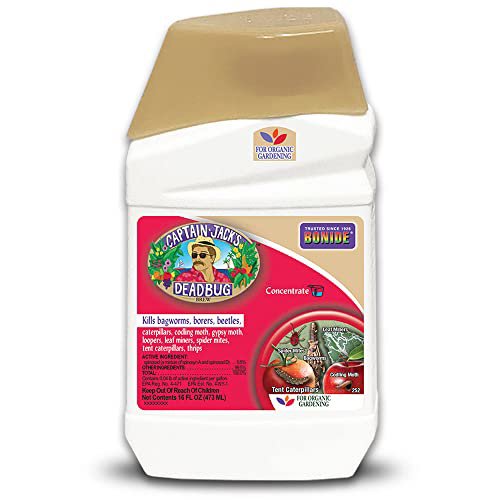
1 Apply an organic miticide or insecticide to eliminate the spider mite population and destroy eggs/larvae.
2 Increase humidity around the plant and ensure the soil remains consistently moist, as spider mites thrive in dry conditions.
3 Prune and dispose of heavily infested leaves to prevent the mites from spreading to healthy parts of the plant.
error

Tetranychus urticae (European Red Mite) Colony

As a specific strain of spider mite, these can create dense webbing across the underside of Tomato Pink Treat leaves during heat waves. This webbing acts as a protective micro-environment for their eggs and nymphs.

Very Common
lightbulb
How to confirm: Inspect the undersides of the youngest leaves for clusters of tiny, reddish-brown dots.
build How to fix it
shopping_cart Recommended Products
1 Apply an organic insecticide spray to the undersides of the leaves to eliminate the mite colony and destroy eggs.
2 Increase humidity and reduce heat stress by misting the foliage or using a humidifier to make the environment less hospitable for mites.
3 Prune and dispose of heavily infested leaves to prevent the webbing and mite colony from spreading to healthy parts of the plant.
warning

High Humidity and Fungal Mycelium

In extremely high humidity without airflow, certain fungal pathogens can produce visible, thread-like structures that may resemble webbing. However, this is usually accompanied by leaf spotting or wilting rather than just silk.

Common
lightbulb
How to confirm: Check if the 'webbing' is actually fuzzy mold growing on decaying leaf tissue or stems.
build How to fix it
shopping_cart Recommended Products
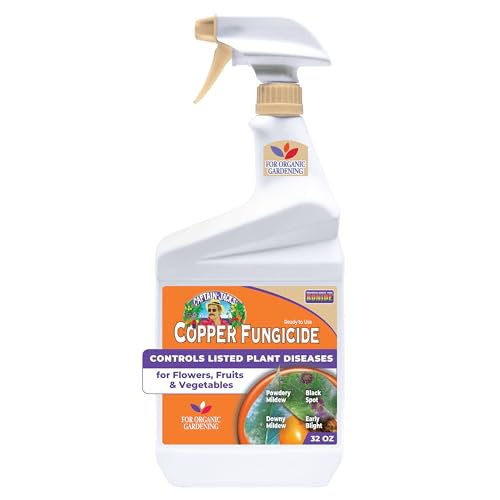
1 Apply an organic fungicide to eliminate fungal mycelium and protect the plant from spreading pathogens.
2 Improve air circulation around the plant by spacing it further from other greenery or using a small fan to reduce humidity buildup.
3 Monitor soil moisture levels closely to ensure the root zone is not staying too saturated, which can exacerbate fungal growth.

Other Tomato Pink Treat F1 problems

Your plant might also be experiencing one of these issues:

local_hospital All symptoms eco All plants with fine webbing
favorite