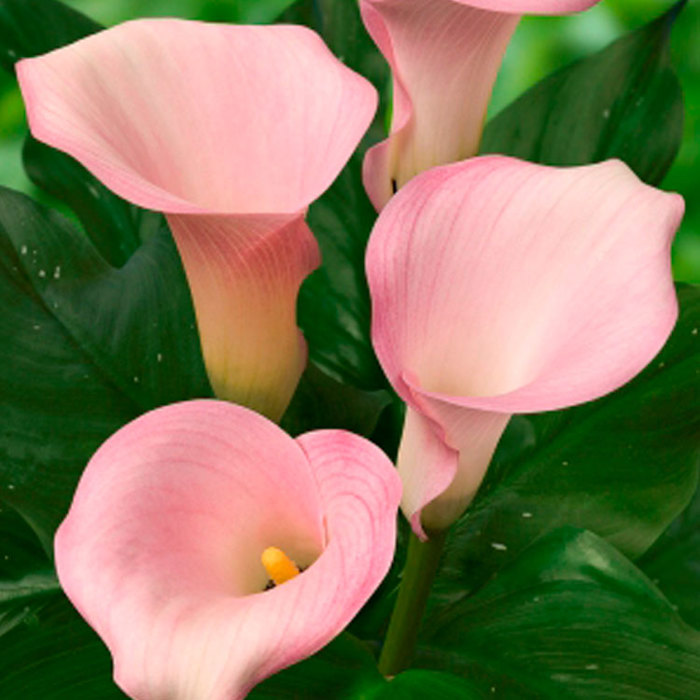
Zantedeschia Captain Melrose Drooping Leaves
eco Drooping Leaves

Zantedeschia Captain Melrose – Drooping Leaves

Why does your Zantedeschia Captain Melrose have drooping leaves? Diagnose the cause and fix it with our step-by-step guide.

search Possible Causes

error

Underwatering and Low Humidity

Calla Lilies like 'Captain Melrose' have large, fleshy leaves that transpire water rapidly. If the substrate dries out completely, the turgor pressure drops, causing the stems to lose structural integrity and droop.

Very Common
lightbulb
How to confirm: Check if the top two inches of soil are bone dry and if the leaves feel limp or soft to the touch.
build How to fix it
shopping_cart Recommended Products
1 Immediately check the soil moisture level using a moisture meter to confirm the depth of dehydration.
2 Thoroughly water the plant until water drains from the bottom, ensuring the root ball is fully saturated.
3 Increase local humidity around the foliage by using a fine mist spray or placing a pebble tray with water beneath the pot.
error

Rhizome Rot (Overwatering)

Excessive moisture in the pot leads to anaerobic conditions, causing the rhizome to decay. As the root system fails due to fungal pathogens like Phytophthora, the plant can no longer transport water to the leaves, resulting in wilting.

Very Common
lightbulb
How to confirm: Gently lift the plant from the pot to see if the base of the rhizome is mushy, dark, or emitting a foul odor.
build How to fix it
shopping_cart Recommended Products
1 Immediately remove the plant from the pot and inspect the rhizome for any soft, mushy, or foul-smelling areas.
2 Prune away all decayed or mushy rhizome tissue using sterilized tools and discard the affected plant material to prevent further spread.
3 Repot the healthy portion of the rhizome in a well-draining medium, such as a mix containing Legigo Organic Horticultural Perlite, to ensure proper aeration and prevent future rot.
warning

Temperature Stress (Cold Shock)

Zantedeschia are tropical perennials that are highly sensitive to temperatures below 55°F (13°C). Sudden drops in temperature can cause physiological shock, leading to a rapid loss of leaf turgidity.

Common
lightbulb
How to confirm: Verify if the plant has been exposed to drafts from windows or recent nighttime temperature drops.
build How to fix it
shopping_cart Recommended Products
1 Immediately move the plant to a warmer, draft-free environment with temperatures consistently above 60°F to stabilize the plant's metabolism.
2 Check the soil moisture with a meter to ensure the cold shock hasn't led to water retention issues; avoid overwatering while the plant is in a stressed state.
3 Apply a microbial-based liquid fertilizer to support root zone recovery and help the plant rebuild strength after the temperature fluctuation.
warning

Nutrient Deficiency (Nitrogen)

A lack of available nitrogen prevents the development of chlorophyll and strong cell walls. This can manifest as older leaves drooping and turning pale yellow before eventually collapsing.

Common
lightbulb
How to confirm: Observe if the drooping is accompanied by chlorosis (yellowing) starting from the leaf margins or older growth.
build How to fix it
shopping_cart Recommended Products
1 Apply a nitrogen-rich liquid fertilizer to boost chlorophyll production and strengthen cell walls.
2 Monitor soil moisture levels with a moisture meter to ensure the drooping isn't actually caused by underwatering or overwatering.
3 Ensure the plant is receiving adequate light, as insufficient light can exacerbate the appearance of nutrient-related yellowing.

Other Zantedeschia Captain Melrose problems

Your plant might also be experiencing one of these issues:

local_hospital All symptoms eco All plants with drooping leaves
favorite