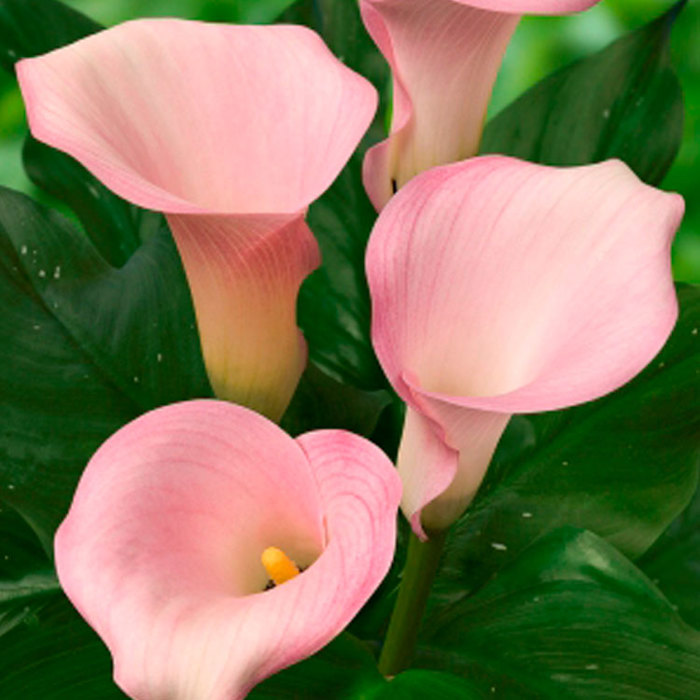
Zantedeschia Captain Melrose Yellow Leaves
eco Yellow Leaves

Zantedeschia Captain Melrose – Yellow Leaves

Why does your Zantedeschia Captain Melrose have yellow leaves? Diagnose the cause and fix it with our step-by-step guide.

search Possible Causes

error

Overwatering and Root Rot

Zantedeschia species are highly susceptible to rhizome rot if kept in overly saturated soil. Excess moisture prevents oxygen from reaching the roots, leading to chlorophyll breakdown and characteristic yellowing of the foliage.

Very Common
lightbulb
How to confirm: Gently lift the rhizome from the pot to check for any mushy, dark-colored, or foul-smelling tissue.
build How to fix it
shopping_cart Recommended Products
1 Immediately remove the plant from its current container and inspect the rhizome for mushy, dark, or foul-smelling rot.
2 Trim away all dead or rotting roots using sterilized tools and repot the plant in a well-draining, airy medium like a mix containing perlite or pumice.
3 Switch to a more breathable pot and use a moisture meter to ensure the soil is allowed to dry out significantly between waterings.
error

Nutrient Deficiency (Nitrogen)

As heavy feeders during their growth phase, a lack of nitrogen can cause older leaves to turn yellow first. This prevents the plant from maintaining healthy chlorophyll levels throughout the leaf blades.

Very Common
lightbulb
How to confirm: Observe if the yellowing starts on the oldest, lowest leaves while newer growth remains green.
build How to fix it
shopping_cart Recommended Products
1 Apply a nitrogen-rich liquid fertilizer to boost chlorophyll production and support new growth.
2 Monitor soil moisture levels using a moisture meter to ensure the plant is not experiencing nitrogen lockout due to overwatering.
3 Prune away the most severely yellowed leaves to allow the plant to redirect energy to healthy new foliage.
warning

Temperature Stress/Cold Shock

Calla Lilies are sensitive to sudden drops in temperature. Exposure to drafts or temperatures below 55°F (13°C) can cause the plant to enter a defensive state, resulting in chlorosis.

Common
lightbulb
How to confirm: Check for proximity to air conditioning vents, drafty windows, or recent sudden weather changes.
build How to fix it
shopping_cart Recommended Products
1 Move the plant to a stable, warm environment away from cold drafts, windows, or air conditioning vents to maintain temperatures above 55°F.
2 Monitor the soil moisture closely to ensure the plant is not overwatered while in its stressed state, using a moisture meter to prevent root rot.
3 Once the plant stabilizes, apply a balanced liquid fertilizer to help restore vigor and recover from the nutrient uptake disruption caused by the shock.
warning

Light Deprivation

While they can tolerate some shade, insufficient light prevents the 'Captain Melrose' from performing adequate photosynthesis. This lack of energy production manifests as pale, yellowing leaves.

Common
lightbulb
How to confirm: Evaluate if the plant has been moved to a darker corner or if seasonal light levels have significantly decreased.
build How to fix it
shopping_cart Recommended Products
1 Relocate your Calla Lily to a spot with bright, indirect sunlight to boost photosynthesis and stop the yellowing.
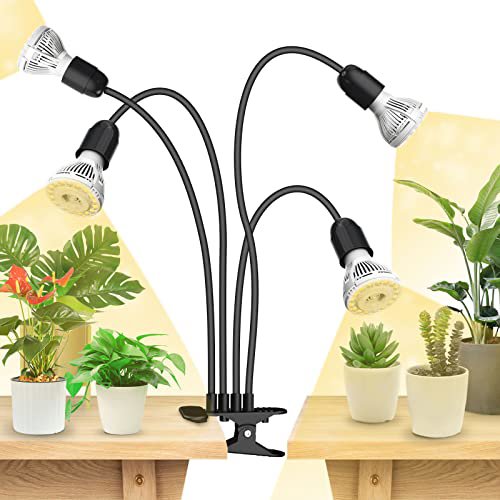
2 Supplement with a full-spectrum grow light if natural light levels remain low, ensuring the plant receives adequate energy for leaf production.
3 Monitor the soil moisture closely, as insufficient light can slow evaporation and lead to overwatering, which also causes yellow leaves.

Other Zantedeschia Captain Melrose problems

Your plant might also be experiencing one of these issues:

local_hospital All symptoms eco All plants with yellow leaves
favorite