Zantedeschia elliottiana Drooping Leaves
eco Drooping Leaves

Zantedeschia elliottiana – Drooping Leaves

Why does your Zantedeschia elliottiana have drooping leaves? Diagnose the cause and fix it with our step-by-step guide.

search Possible Causes

error

Underwatering and Low Humidity

Calla Lilies have large, fleshy leaves that lose moisture rapidly through transpiration. When the soil dries out completely, the plant loses turgor pressure, causing the foliage to wilt.

Very Common
lightbulb
How to confirm: Check the top inch of soil; if it is bone dry and the leaves feel limp rather than crispy, water immediately.
build How to fix it
shopping_cart Recommended Products
1 Immediately check the soil moisture level using a meter to confirm the depth of dryness and provide a thorough deep watering.
2 Increase local humidity around the foliage by using a fine mist spray bottle to replenish moisture lost through transpiration.
3 Ensure the plant is in a consistent watering routine, using a pebble tray or humidifier to maintain stable moisture levels.
error

Root Rot (Overwatering)

Excessive moisture in the rhizome area deprives roots of oxygen, leading to fungal decay. This prevents the plant from transporting water upward, resulting in leaves that appear to be wilting despite wet soil.

Very Common
lightbulb
How to confirm: Gently lift the plant to check if the rhizome is firm or if it feels soft, slimy, and smells unpleasant.
build How to fix it
shopping_cart Recommended Products
1 Immediately remove the plant from its current container and inspect the rhizome and roots for any mushy, dark, or foul-smelling decay.
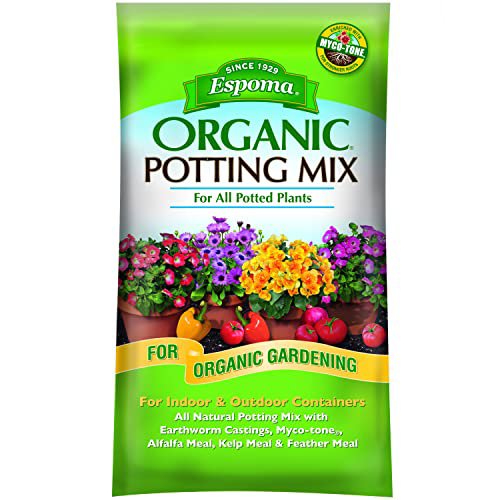
2 Prune away all decayed root tissue using sterilized tools and repot the plant in a well-draining, fresh medium like Espoma Organic Potting Soil Mix to restore aeration.
3 Switch to a more breathable container and use a moisture meter to ensure the soil is allowed to dry out significantly before the next watering.
warning

Temperature Stress (Cold Shock)

Zantedeschia species are sensitive to sudden drops in temperature. Exposure to drafts or temperatures below 55°F (13°C) can cause the metabolic processes to slow, leading to drooping and potential leaf spotting.

Common
lightbulb
How to confirm: Check if the plant is near a drafty window or an air conditioning vent.
build How to fix it
shopping_cart Recommended Products
1 Move the plant to a warmer, draft-free location within your home, ensuring temperatures remain consistently above 55°F (13°C).
2 Monitor the soil moisture levels closely, as temperature fluctuations can alter evaporation rates; use a moisture meter to ensure the plant isn't also suffering from overwatering.
3 Apply a microbial-based fertilizer to help the plant recover from environmental stress and support root zone development.
warning

Nutrient Deficiency (Nitrogen)

A lack of essential nitrogen prevents the production of chlorophyll and maintains cell structure. While usually accompanied by yellowing, severe deficiency can manifest as weakened, drooping stems.

Common
lightbulb
How to confirm: Observe if the older leaves are turning pale yellow before the drooping occurs.
build How to fix it
shopping_cart Recommended Products
1 Apply a nitrogen-rich liquid fertilizer to boost chlorophyll production and restore leaf structure.
2 Check the soil moisture levels with a moisture meter to ensure the drooping isn't actually caused by underwatering.
3 Supplement the soil with organic worm castings to provide a slow-release source of nitrogen and beneficial microbes.

Other Zantedeschia elliottiana problems

Your plant might also be experiencing one of these issues:

local_hospital All symptoms eco All plants with drooping leaves
favorite