Zantedeschia elliottiana Leggy Stems
eco Leggy Stems

Zantedeschia elliottiana – Leggy Stems

Why does your Zantedeschia elliottiana have leggy stems? Diagnose the cause and fix it with our step-by-step guide.

search Possible Causes

error

Insufficient Light Exposure

Calla Lilies are phototropic; if they do not receive enough bright, indirect sunlight, the stems will undergo etiolation, stretching rapidly to search for a light source. This results in weak, elongated stems that lack structural integrity.

Very Common
lightbulb
How to confirm: Observe if the plant is leaning toward a window or if new leaves appear significantly paler than older ones.
build How to fix it
shopping_cart Recommended Products
1 Move your Calla Lily to a location that receives bright, indirect sunlight to prevent further stem stretching.
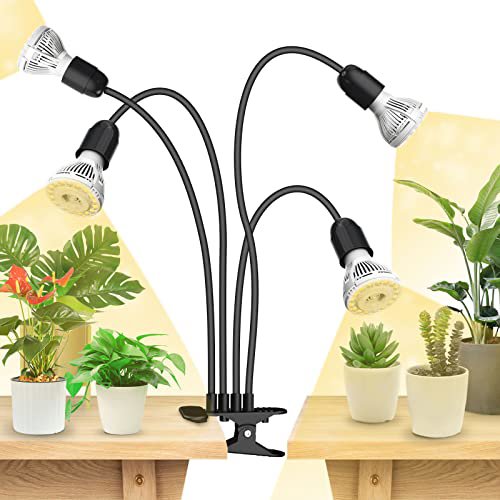
2 Supplement with a full-spectrum grow light to provide the necessary intensity for structural strength.
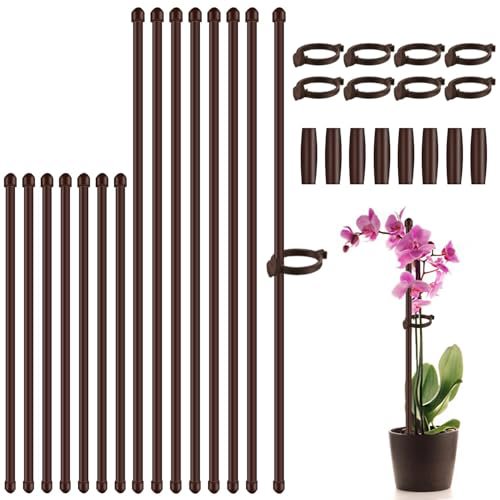
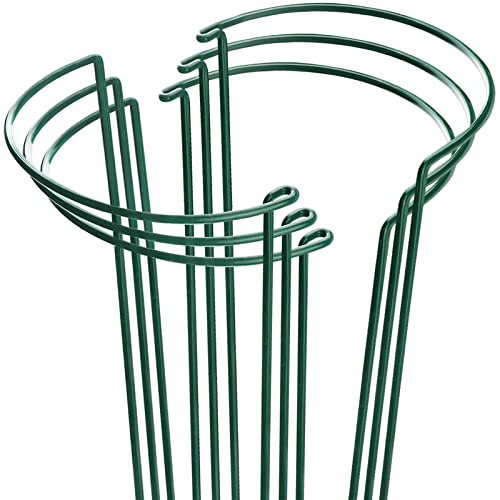
3 Use a plant stake to provide physical support to the elongated, weak stems and prevent them from flopping.
warning

Excessive Nitrogen Fertilization

An overabundance of nitrogen-rich fertilizer encourages rapid vegetative growth, which can outpace the plant's ability to develop thick, sturdy cell walls. This leads to lush but spindly and weak stem development.

Common
lightbulb
How to confirm: Review your recent fertilization schedule and check if there has been a sudden burst of dark green, soft growth.
build How to fix it
shopping_cart Recommended Products
1 Flush the soil with plenty of fresh, room-temperature water to leach out excess nitrogen salts from the root zone.
2 Transition to a balanced or lower-nitrogen fertilizer to support stronger cell wall development and structural integrity.
3 Provide increased bright, indirect light to encourage more compact and sturdy stem growth.
warning

Overwatering and Poor Drainage

When the rhizome is kept in overly saturated soil, it can lead to soft, weakened stem bases. While this often presents as rot, the initial stage of high moisture can cause cells to expand excessively, resulting in a 'floppy' or leggy appearance.

Common
lightbulb
How to confirm: Press the base of the stem near the soil line to see if it feels soft or hollow compared to firmer stems.
build How to fix it
shopping_cart Recommended Products
1 Immediately check the soil moisture levels using a meter to confirm if the substrate is staying saturated.
2 Repot the plant in a well-draining medium, such as a mix containing perlite, to ensure excess water can escape the rhizome area.
3 Ensure the plant is in a container with adequate drainage and use a saucer to catch overflow without letting the pot sit in standing water.
warning

Temperature Fluctuations

Drastic swings in temperature, especially sudden warmth combined with high humidity, can trigger rapid, unsupported growth spurts. This prevents the plant from establishing the lignin necessary for strong stems.

Common
lightbulb
How to confirm: Check if the plant is located near a drafty window or an air conditioning vent that causes rapid temperature changes.
build How to fix it
shopping_cart Recommended Products
1 Stabilize the environment by minimizing sudden temperature swings and maintaining a consistent, moderate temperature range.
2 Provide consistent, high-quality light to prevent further stretching and support stronger stem development.
3 Support the heavy, leggy stems with physical stakes to prevent them from bending or breaking under their own weight.

Other Zantedeschia elliottiana problems

Your plant might also be experiencing one of these issues:

local_hospital All symptoms eco All plants with leggy stems
favorite