Zantedeschia elliottiana Yellow Leaves
eco Yellow Leaves

Zantedeschia elliottiana – Yellow Leaves

Why does your Zantedeschia elliottiana have yellow leaves? Diagnose the cause and fix it with our step-by-step guide.

search Possible Causes

error

Overwatering and Root Rot

Zantedeschia elliottiana is highly susceptible to rhizome rot if the growing medium remains saturated. Excess moisture deprives the roots of oxygen, leading to yellowing foliage as the plant's vascular system fails.

Very Common
lightbulb
How to confirm: Gently lift the rhizome from the soil to check if it feels mushy or smells of decay.
build How to fix it
shopping_cart Recommended Products
1 Immediately remove the plant from its current container and inspect the rhizome and roots for mushy, dark, or foul-smelling rot.
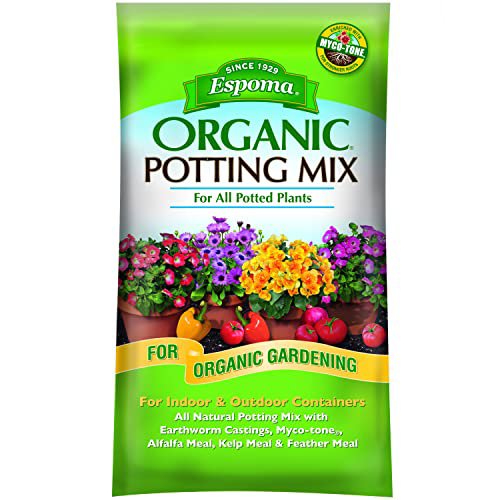
2 Prune away all dead or rotting roots using sterilized shears and repot the plant in a well-draining, fresh medium like Espoma Organic Potting Soil Mix to ensure better aeration.
3 Switch to a more porous potting mix by adding Legigo Organic Horticultural Perlite to improve drainage and prevent future waterlogging.
error

Nutrient Deficiency (Nitrogen)

A lack of nitrogen prevents the production of chlorophyll, causing older leaves to turn pale yellow first. This is common in calla lilies grown in depleted or sandy soils during their active growing season.

Very Common
lightbulb
How to confirm: Observe if the yellowing starts on the oldest, bottom leaves while new growth remains green.
build How to fix it
shopping_cart Recommended Products
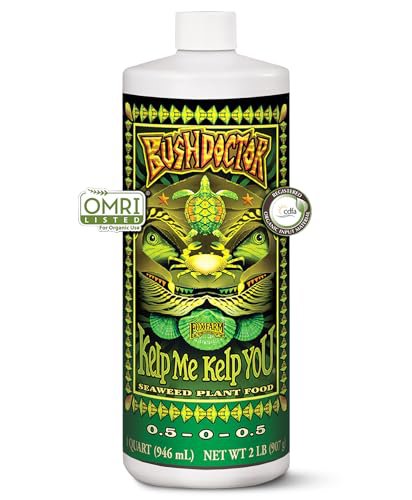
1 Apply a nitrogen-rich liquid fertilizer to boost chlorophyll production and green up the foliage.
2 Amend the existing soil with organic matter like worm castings to provide a slow-release source of nitrogen.
3 Monitor soil moisture levels to ensure the nitrogen is being effectively absorbed by the roots without causing rot.
warning

Temperature Stress (Cold Shock)

As a tuberous plant, sudden drops in temperature can trigger a physiological response resulting in chlorosis. Exposure to drafts or temperatures below 50°F (10°C) can cause the leaves to yellow and wilt.

Common
lightbulb
How to confirm: Check if the yellowing coincided with a recent change in environment or a cold snap.
build How to fix it
shopping_cart Recommended Products
1 Immediately move the plant to a warmer, draft-free location with temperatures consistently above 60°F (15°C) to stabilize the tuber.
2 Monitor soil moisture closely using a moisture meter to ensure the cold shock hasn't led to overwatering or root rot.
3 Apply a liquid seaweed fertilizer to help the plant recover from environmental stress and boost nutrient uptake.
warning

Natural Senescence

As the growing season ends, Calla Lilies naturally enter a dormant phase where foliage turns yellow and dies back. This is a programmed biological process to allow the rhizome to rest.

Common
lightbulb
How to confirm: Check if all stems are turning yellow simultaneously and if you have recently reduced watering/fertilizing.
build How to fix it
shopping_cart Recommended Products
1 Allow the foliage to turn yellow and die back naturally; do not cut the leaves until they are completely brown and withered.
2 Reduce watering frequency significantly as the plant enters dormancy to prevent rhizome rot.
3 Once the leaves have completely died back, carefully remove them and store the rhizome in a cool, dry place.

Other Zantedeschia elliottiana problems

Your plant might also be experiencing one of these issues:

local_hospital All symptoms eco All plants with yellow leaves
favorite