Aeonium canariense Drooping Leaves
eco Drooping Leaves

Aeonium canariense – Drooping Leaves

Why does your Aeonium canariense have drooping leaves? Diagnose the cause and fix it with our step-by-step guide.

search Possible Causes

error

Overwatering and Root Rot

Aeoniums are succulents that store water in their leaves; excessive soil moisture leads to fungal pathogens like Phytophthora attacking the roots, causing them to lose structural integrity and fail to support the rosette.

Very Common
lightbulb
How to confirm: Gently tug on a leaf stem to see if it pulls away easily from a blackened, mushy base.
build How to fix it
shopping_cart Recommended Products
1 Immediately remove the plant from its current container and inspect the roots for any mushy, black, or foul-smelling decay.
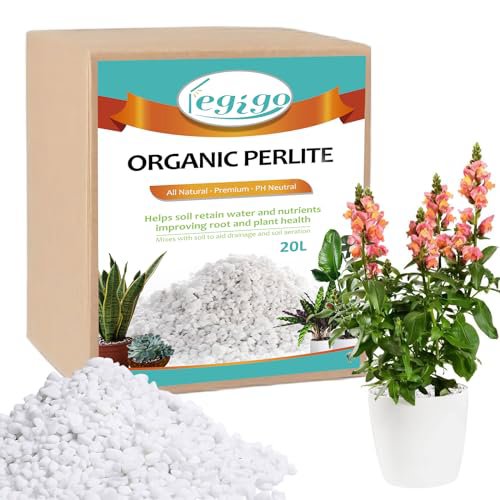
2 Prune away all dead or rotting roots using sterilized shears and repot the plant in a well-draining, gritty succulent mix to prevent future rot.
3 Ensure the new pot has excellent drainage and use a moisture meter to monitor the soil, allowing it to dry out completely before the next watering.
error

Dehydration (Underwatering)

When the cellular turgor pressure drops due to insufficient water, the fleshy leaves of Aeonium canariense lose their rigidity and sag towards the center or ground.

Very Common
lightbulb
How to confirm: Check if the soil is bone-dry all the way to the bottom of the pot and if the leaves feel thin and wrinkled.
build How to fix it
shopping_cart Recommended Products
1 Immediately check the soil moisture level using a moisture meter to confirm the depth of dehydration.
2 Thoroughly soak the soil with water until it drains from the bottom of the pot, ensuring the root ball is fully saturated.
3 Ensure the plant is in a well-draining container and avoid letting it sit in standing water to prevent root rot after rehydration.
warning

Extreme Heat Stress

High temperatures can cause the plant to enter a semi-dormant state or simply lose moisture faster than it can be replaced, leading to temporary wilting to protect the core.

Common
lightbulb
How to confirm: Observe if the drooping improves significantly during the cooler evening hours.
build How to fix it
shopping_cart Recommended Products
1 Move the plant to a shaded or cooler location to reduce direct exposure to intense sunlight and lower the ambient temperature.
2 Check the soil moisture level to ensure the plant isn't dehydrated; use a moisture meter to verify the root zone is still damp.
3 Apply a light mulch or top dressing like perlite to help regulate soil temperature and retain moisture around the roots.
warning

Nutrient Deficiency (Nitrogen)

A lack of essential nitrogen prevents the development of strong cell walls and chlorophyll, resulting in pale, limp, and structurally weak foliage.

Common
lightbulb
How to confirm: Inspect the older, bottom leaves for yellowing accompanied by the drooping symptom.
build How to fix it
shopping_cart Recommended Products
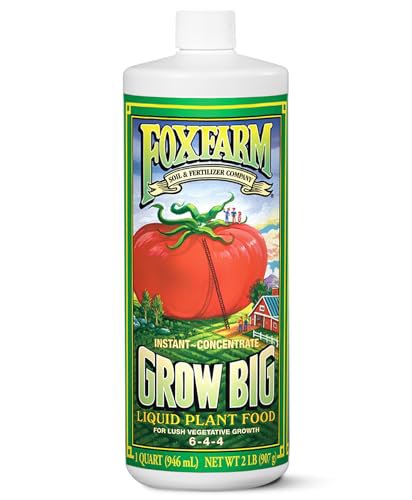
1 Apply a nitrogen-rich liquid fertilizer to boost chlorophyll production and strengthen cell walls.
2 Check the soil moisture levels using a moisture meter to ensure the drooping isn't actually caused by underwatering.
3 Ensure the plant is receiving adequate sunlight, as insufficient light can exacerbate the appearance of weak, limp foliage.

Other Aeonium canariense problems

Your plant might also be experiencing one of these issues:

local_hospital All symptoms eco All plants with drooping leaves
favorite