Aeonium canariense Yellow Leaves
eco Yellow Leaves

Aeonium canariense – Yellow Leaves

Why does your Aeonium canariense have yellow leaves? Diagnose the cause and fix it with our step-by-step guide.

search Possible Causes

error

Overwatering and Root Rot

Aeoniums are succulents that store water in their leaves; excessive soil moisture leads to anaerobic conditions, causing roots to rot and preventing water transport, which manifests as yellowing.

Very Common
lightbulb
How to confirm: Gently tug on the base of the rosette to see if it detaches easily, and check if the soil remains damp for several days after watering.
build How to fix it
shopping_cart Recommended Products
1 Immediately remove the plant from the pot and trim away any mushy, black, or foul-smelling roots caused by rot.
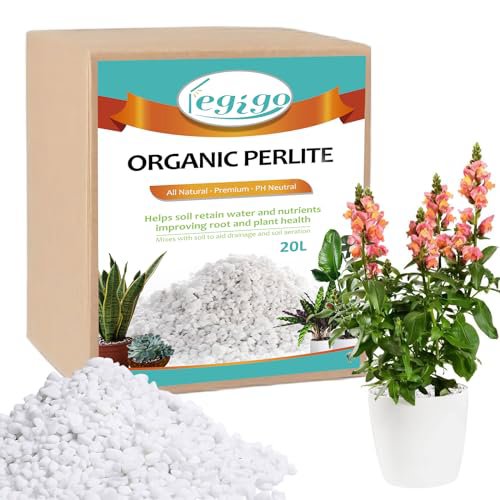
2 Repot the Aeonium in a well-draining succulent mix, incorporating perlite to improve aeration and prevent future anaerobic conditions.
3 Use a moisture meter to monitor the soil, ensuring you only water when the medium is completely dry to avoid repeat overwatering.
warning

Nutrient Deficiency (Nitrogen)

A lack of nitrogen prevents the plant from producing chlorophyll, causing older, lower leaves in the rosette to turn pale yellow before moving upward.

Common
lightbulb
How to confirm: Observe if the yellowing started on the oldest, outermost leaves while the new center growth remains green.
build How to fix it
shopping_cart Recommended Products
1 Apply a nitrogen-rich liquid fertilizer to boost chlorophyll production and green up the foliage.
2 Monitor the soil moisture levels with a meter to ensure nitrogen uptake is not being hindered by overwatering.
3 Prune away the most severely yellowed lower leaves to prevent potential rot and redirect energy to new growth.
warning

Sunscald or Heat Stress

While Aeoniums enjoy light, extreme midday sun in intense climates can bleach the leaf tissue, turning them yellowish or white due to cellular damage.

Common
lightbulb
How to confirm: Check if the yellowing is localized to the parts of the leaves directly exposed to the most intense sunlight.
build How to fix it
shopping_cart Recommended Products
1 Move your Aeonium to a location with filtered sunlight or bright, indirect light to protect the leaves from intense midday sun.
2 Monitor soil moisture levels closely to ensure the plant is not experiencing drought-induced heat stress.
3 Apply a light mulch or top dressing to help regulate soil temperature and retain moisture around the roots.
warning

Natural Senescence

As an Aeonium grows, it naturally sheds its oldest, bottom-most leaves to redirect energy to new growth at the top of the stem.

Common
lightbulb
How to confirm: Check if the yellowing is limited strictly to the very bottom leaves of a mature stem while the rest of the plant looks healthy.
build How to fix it
shopping_cart Recommended Products
1 Monitor the plant for any new growth at the top of the stem to confirm the process is natural.
2 Gently remove the yellowed, bottom-most leaves to maintain a clean appearance and prevent potential rot.
3 Ensure the plant is not overwatered by using a moisture meter to check the soil depth.

Other Aeonium canariense problems

Your plant might also be experiencing one of these issues:

local_hospital All symptoms eco All plants with yellow leaves
favorite