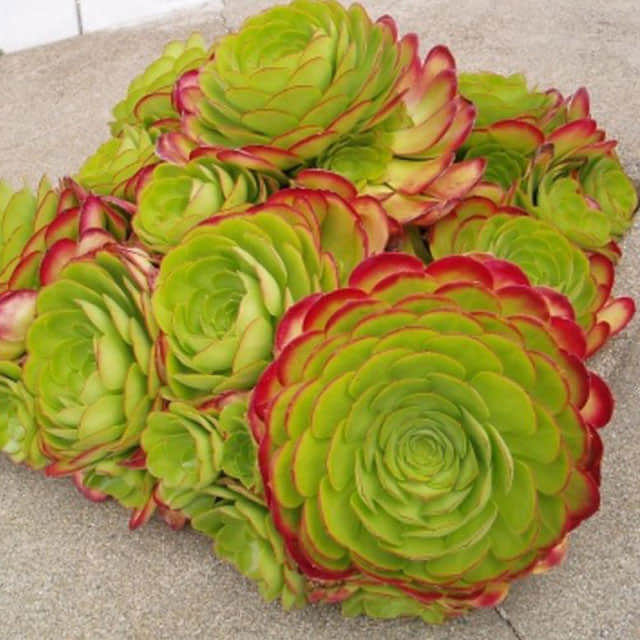
Aeonium canariense Fine Webbing
eco Fine Webbing

Aeonium canariense – Fine Webbing

Why does your Aeonium canariense have fine webbing? Diagnose the cause and fix it with our step-by-step guide.

search Possible Causes

error

Two-Spotted Spider Mite Infestation

The presence of fine webbing on the rosette edges is a classic sign of spider mites, which thrive in the dry, warm conditions often experienced by Aeonium canariense. These pests pierce the succulent leaves to suck out cellular contents, leading to stippling and eventual leaf drop.

Very Common
lightbulb
How to confirm: Hold a white piece of paper under a leaf and tap it sharply to see if tiny crawling dots fall onto the paper.
build How to fix it
shopping_cart Recommended Products
1 Immediately spray the plant with an organic miticide to eliminate the spider mite population and destroy any remaining eggs.
2 Increase local humidity and wipe leaves with a damp cloth to physically remove webbing and discourage mites from returning.
3 Monitor soil moisture levels to ensure the plant is not too dry, as arid conditions accelerate mite reproduction.
warning

Cheesemites (Tyrophagus cynophila)

These microscopic mites often inhabit the dense, fleshy rosettes of Aeoniums and can produce fine silken structures or debris that mimic webbing. They feed on decomposing organic matter and plant tissue, especially in humid or overly damp environments.

Common
lightbulb
How to confirm: Examine the base of the rosette with a magnifying glass for tiny, translucent moving organisms near the leaf junctions.
build How to fix it
shopping_cart Recommended Products
1 Apply an organic insecticide spray to the plant's rosettes to eliminate the mite population and any associated debris.
2 Reduce humidity and ensure the soil surface is not overly damp to disrupt the mites' preferred feeding environment.
3 Gently clean the fleshy leaves with a soft brush or damp cloth to physically remove the fine silken structures and organic debris.
warning

Extreme Desiccation and Dust Accumulation

In very arid environments, fine dust can become trapped in the silk-like hairs of the plant or create a web-like appearance when combined with dried plant residue. While not a biological pest, it can visually mimic fine webbing during periods of severe drought stress.

Common
lightbulb
How to confirm: Gently wipe a leaf with a damp cloth to see if the 'webbing' is actually just surface debris that washes away easily.
build How to fix it
shopping_cart Recommended Products
1 Gently rinse the plant with lukewarm water to remove accumulated dust and debris that may be mimicking webbing.
2 Check the soil moisture levels to ensure the plant is not suffering from extreme drought stress.
3 Increase local humidity or use a fine mist to prevent further desiccation of the plant tissues.

Other Aeonium canariense problems

Your plant might also be experiencing one of these issues:

local_hospital All symptoms eco All plants with fine webbing
favorite


