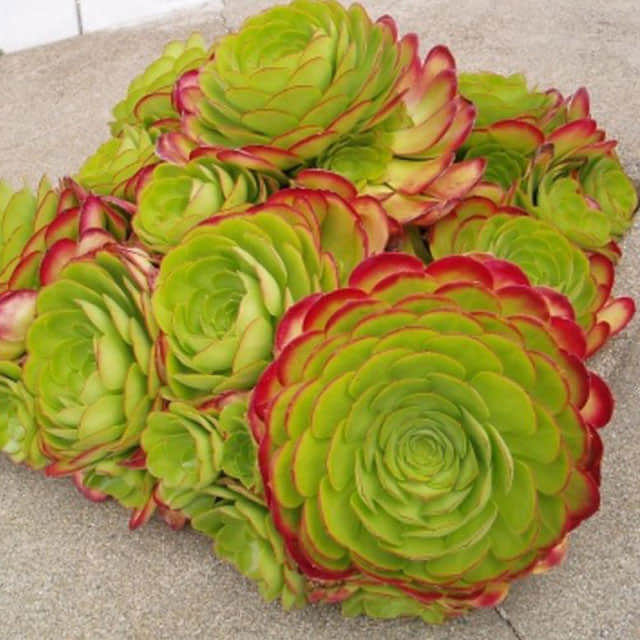
Aeonium canariense Sudden Leaf Drop
eco Sudden Leaf Drop

Aeonium canariense – Sudden Leaf Drop

Why does your Aeonium canariense have sudden leaf drop? Diagnose the cause and fix it with our step-by-step guide.

search Possible Causes

error

Root Rot from Overwatering

Aeoniums are succulents that store water in their leaves and stems; excessive moisture causes the root system to decay, leading to a sudden inability to transport water to the rosette, resulting in leaf drop.

Very Common
lightbulb
How to confirm: Gently lift the plant to see if the stem is black or mushy at the soil line.
build How to fix it
shopping_cart Recommended Products
1 Immediately remove the plant from its current container and inspect the roots for mushy, dark, or foul-smelling decay; prune away all rot using sterilized tools.
2 Repot the Aeonium in a well-draining, gritty substrate specifically designed for succulents to prevent future water retention.
3 Use a moisture meter to monitor the soil, ensuring you only water when the medium is completely dry to the touch.
error

Temperature Stress (Cold/Frost)

While Aeoniums are resilient, sudden drops in temperature or frost can damage the cellular structure of the leaves, causing the plant to shed them rapidly to protect the core.

Very Common
lightbulb
How to confirm: Check if there has been a recent frost or a significant drop in nighttime temperatures in your area.
build How to fix it
shopping_cart Recommended Products
1 Immediately move the plant to a warmer, frost-free location, such as indoors or a sheltered porch, to prevent further cellular damage.
2 Monitor soil moisture closely using a moisture meter to ensure the plant is not overwatered while in a dormant or stressed state.
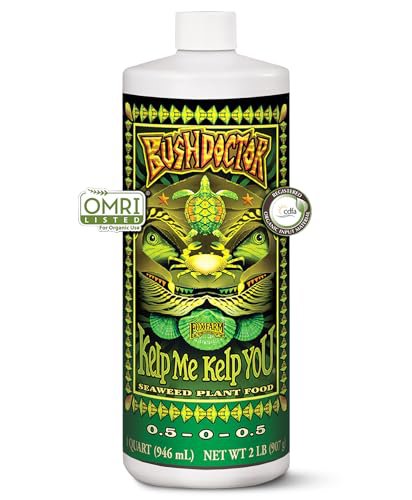
3 Avoid applying heavy fertilizers during this period of stress; wait until new growth appears and then use a gentle liquid seaweed fertilizer to support recovery.
warning

Extreme Heat and Drought Stress

In high heat, Aeonium can enter a dormant-like state to conserve moisture; if the soil dries out too quickly during heatwaves, the plant may drop older leaves to reduce transpiration.

Common
lightbulb
How to confirm: Check the soil moisture level and see if the remaining leaves appear wrinkled or shriveled.
build How to fix it
shopping_cart Recommended Products
1 Immediately check the soil moisture level to ensure the plant is not completely desiccated; use a moisture meter to check deep into the root zone.
2 Move the plant to a cooler, shaded location away from direct afternoon sun to reduce transpiration and heat stress.
3 Apply a deep, thorough watering to rehydrate the root system, and consider using a pebble tray or saucer to increase local humidity.
warning

Nutrient Deficiency (Nitrogen)

A lack of essential nutrients can weaken the attachment points of the leaves, making them prone to falling off even with minimal physical disturbance.

Common
lightbulb
How to confirm: Observe if the remaining leaves are showing signs of yellowing (chlorosis) starting from the older leaves.
build How to fix it
shopping_cart Recommended Products
1 Apply a nitrogen-rich liquid fertilizer to boost vegetative strength and reinforce leaf attachment points.
2 Monitor soil moisture levels using a moisture meter to ensure the plant is not also experiencing water stress, which can mimic nutrient deficiency symptoms.
3 Ensure the plant is receiving adequate sunlight, as insufficient light can hinder the plant's ability to uptake and utilize available nitrogen.

Other Aeonium canariense problems

Your plant might also be experiencing one of these issues:

local_hospital All symptoms eco All plants with sudden leaf drop
favorite