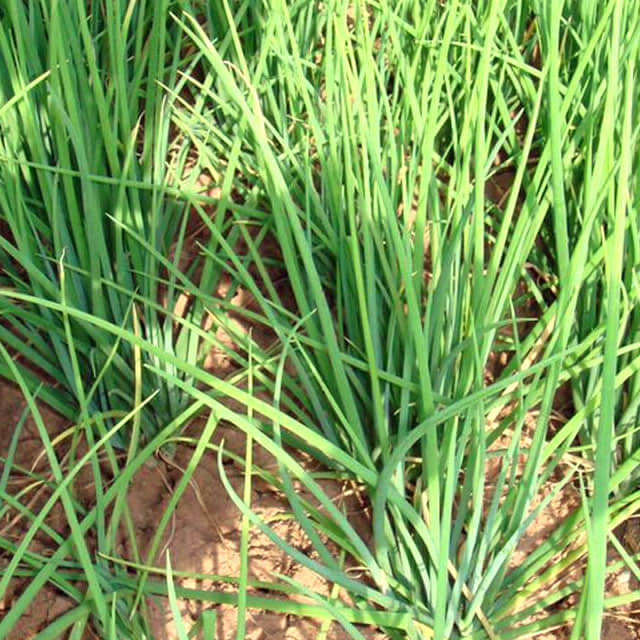
Allium ascalonicum Brown Leaf Tips
eco Brown Leaf Tips

Allium ascalonicum – Brown Leaf Tips

Why does your Allium ascalonicum have brown leaf tips? Diagnose the cause and fix it with our step-by-step guide.

search Possible Causes

error

Improper Soil Moisture Levels

Shallots are highly sensitive to moisture fluctuations; both drought stress and waterlogged soil can cause the leaf tips to desiccate and turn brown. Inconsistent watering disrupts the osmotic pressure within the bulb's vascular system.

Very Common
lightbulb
How to confirm: Stick your finger two inches into the soil to check if it is bone dry or excessively muddy.
build How to fix it
shopping_cart Recommended Products
1 Check the soil moisture depth using an analog meter to ensure you are not overwatering or allowing the soil to become bone-dry.
2 Establish a consistent watering schedule to maintain even moisture levels, and consider using a moisture-retaining amendment like vermiculite if the soil dries too quickly.
3 Ensure the plant is in a well-draining container or soil mix to prevent waterlogging, which can lead to root rot and tip browning.
error

Salt Accumulation (Salinity Stress)

Allium ascalonicum is susceptible to salt buildup from fertilizers or hard water, which causes physiological drought at the leaf margins. This manifests as scorched-looking brown tips as salts concentrate in the extremities.

Very Common
lightbulb
How to confirm: Look for a white, crusty residue on the soil surface or the edges of the planting pot.
build How to fix it
shopping_cart Recommended Products
1 Flush the soil thoroughly with distilled or rainwater to leach accumulated mineral salts away from the root zone.
2 Monitor soil hydration levels closely to ensure consistent moisture without overwatering, using a moisture meter to prevent further salt concentration.
3 Amend the soil with organic matter or perlite to improve drainage and prevent future salt buildup.
warning

Nutrient Deficiency (Potassium)

A lack of potassium can prevent proper cell wall formation in shallot leaves, leading to necrosis at the tips. This often occurs if the soil is depleted of essential macronutrients during the bulb bulbing stage.

Common
lightbulb
How to confirm: Check if the browning is accompanied by a general yellowing (chlorosis) of the leaf edges.
build How to fix it
shopping_cart Recommended Products
1 Apply a potassium-rich organic fertilizer to replenish the soil nutrients during the bulb development stage.
2 Check the soil moisture levels using a moisture meter to ensure that nutrient uptake is not being hindered by overwatering or underwatering.
3 Ensure the shallots are planted in well-draining soil amended with organic matter to prevent nutrient leaching.
warning

Fungal Leaf Blight (Phytophthora)

Certain fungal pathogens common to Allium species can cause necrotic lesions that start at the tips and spread downward. This is more likely if humidity is high and airflow around the shallot clumps is poor.

Common
lightbulb
How to confirm: Inspect the base of the leaves for any signs of dark, water-soaked lesions or mushy bulb tissue.
build How to fix it
shopping_cart Recommended Products
1 Apply a fungicide to control the spread of the blight and prevent further necrotic lesions on the leaves.
2 Improve airflow around the shallot clumps and reduce humidity by spacing plants further apart and avoiding overhead watering.
3 Remove and discard any heavily infected leaves to prevent the pathogen from spreading to healthy tissue.

Other Allium ascalonicum problems

Your plant might also be experiencing one of these issues:

local_hospital All symptoms eco All plants with brown leaf tips
favorite