Allium ascalonicum Yellow Leaves
eco Yellow Leaves

Allium ascalonicum – Yellow Leaves

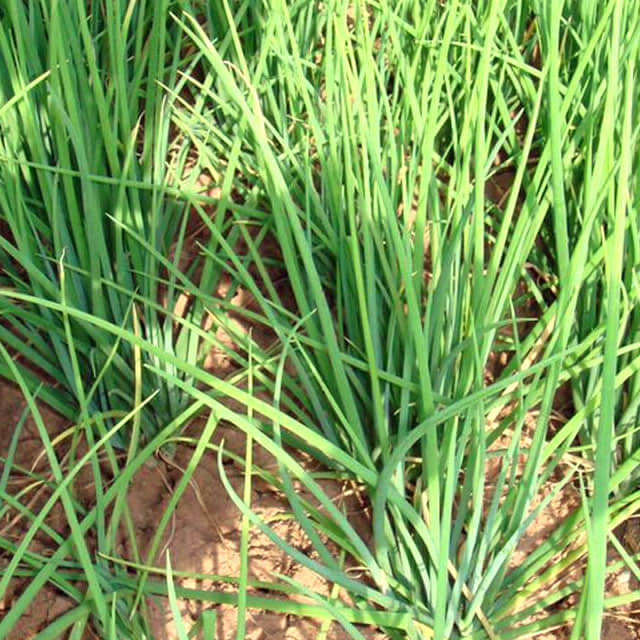
Why does your Allium ascalonicum have yellow leaves? Diagnose the cause and fix it with our step-by-step guide.

search Possible Causes

error

Improper Soil Moisture (Overwatering or Waterlogging)

Shallots are highly susceptible to moisture stress; excessive water leads to anaerobic conditions in the soil, causing root suffocation and characteristic yellowing of the foliage. This often precedes bulb rot.

Very Common
lightbulb
How to confirm: Check if the soil feels muddy or stays saturated for long periods after rain or irrigation.
build How to fix it
shopping_cart Recommended Products
1 Immediately check the soil moisture level using a meter to confirm if the soil is waterlogged.
2 Improve soil drainage by mixing in horticultural perlite to prevent future anaerobic conditions and root rot.
3 Ensure the plant is in a container with adequate drainage holes and use a saucer to catch excess water without letting the pot sit in standing water.
error

Nutrient Deficiency (Nitrogen)

A lack of available nitrogen prevents the plant from producing sufficient chlorophyll, resulting in a uniform yellowing that typically starts with older, lower leaves moving upward. Shallots are heavy feeders during their bulb-bulking stage.

Very Common
lightbulb
How to confirm: Observe if the yellowing is progressing from the bottom leaves upward across the entire plant.
build How to fix it
shopping_cart Recommended Products
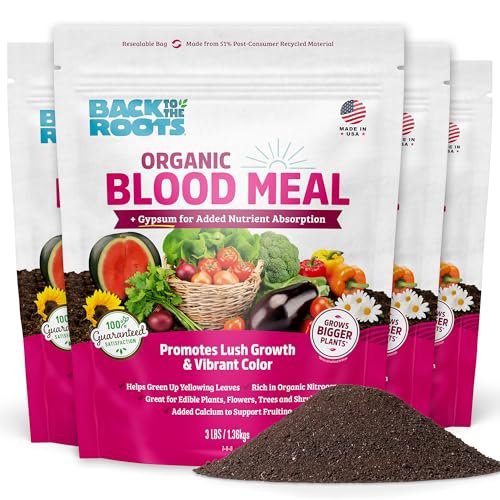
1 Apply a nitrogen-rich organic fertilizer to boost chlorophyll production and support bulb development.
2 Monitor soil moisture levels using a moisture meter to ensure nitrogen is being effectively transported to the roots.
3 Ensure the plant is receiving adequate sunlight, as light is essential for the plant to utilize the newly available nitrogen.
warning

Botrytis Allium (Purple Blotch)

This fungal pathogen causes lesions on the leaves which can eventually turn the foliage yellow or necrotic. It thrives in high humidity and cool, damp conditions common during shallot cultivation.

Common
lightbulb
How to confirm: Inspect the leaf surfaces for small, purplish-to-brown spots or lesions accompanied by yellowing margins.
build How to fix it
shopping_cart Recommended Products
1 Remove and destroy all infected, yellowing leaves immediately to prevent the fungal spores from spreading to healthy foliage.
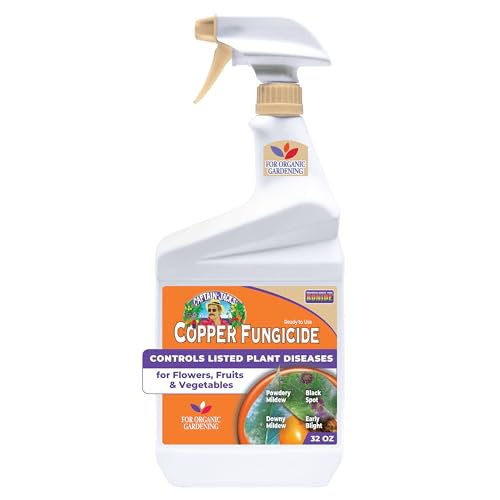
2 Apply an organic fungicide to protect the remaining healthy tissue from further infection.
3 Improve air circulation around the plants and avoid overhead watering to reduce the high humidity that allows Botrytis to thrive.
warning

Temperature Stress (Heat or Frost)

Extreme fluctuations in temperature can cause physiological stress, leading to chlorosis. Intense heat during the bulb development phase can cause the leaves to yellow and wilt prematurely.

Common
lightbulb
How to confirm: Review recent weather patterns for sudden heatwaves or unexpected late-spring frosts.
build How to fix it
shopping_cart Recommended Products
1 Protect the shallot from extreme temperature fluctuations by using mulch or a shade cloth to insulate the soil and roots.
2 Monitor soil moisture levels closely during heat waves to ensure the plant does not undergo drought stress alongside temperature stress.
3 Apply a balanced liquid fertilizer to help the plant recover from physiological stress and support bulb development.

Other Allium ascalonicum problems

Your plant might also be experiencing one of these issues:

local_hospital All symptoms eco All plants with yellow leaves
favorite