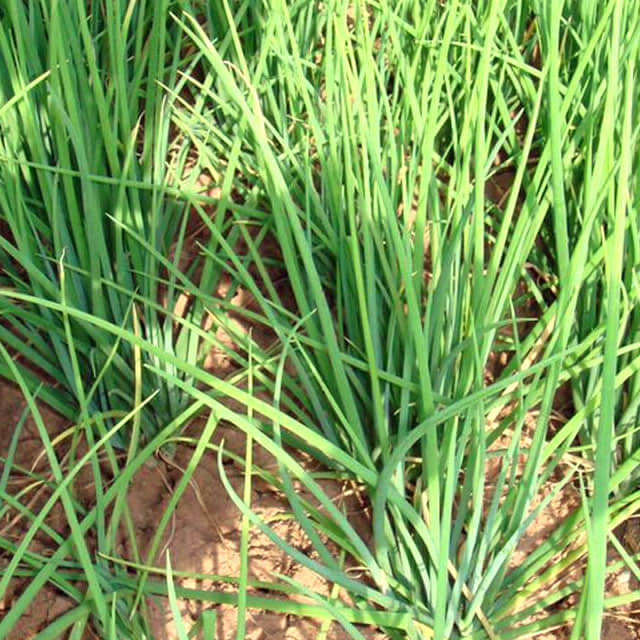
Allium ascalonicum Tiny Black Flies
eco Tiny Black Flies

Allium ascalonicum – Tiny Black Flies

Why does your Allium ascalonicum have tiny black flies? Diagnose the cause and fix it with our step-by-step guide.

search Possible Causes

error

Fungus Gnats (Sciarid Flies)

The larvae of these flies live in the soil and feed on organic matter or fine root hairs of the shallot bulbs. Their presence is almost always a byproduct of overly moist growing media, which encourages fungal growth that both the larvae and adults thrive upon.

Very Common
lightbulb
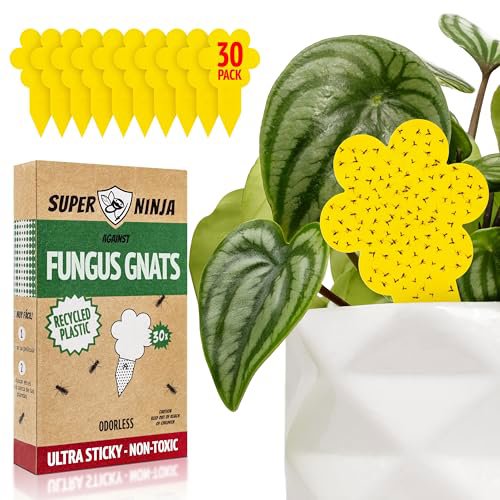
How to confirm: Place a yellow sticky trap near the soil surface to see if small black insects are captured.
build How to fix it
shopping_cart Recommended Products
1 Reduce watering frequency to allow the top inch of soil to dry out completely, as moist soil is the primary breeding ground for fungus gnat larvae.
2 Deploy yellow sticky traps near the soil surface to capture adult flies and disrupt their reproductive cycle.
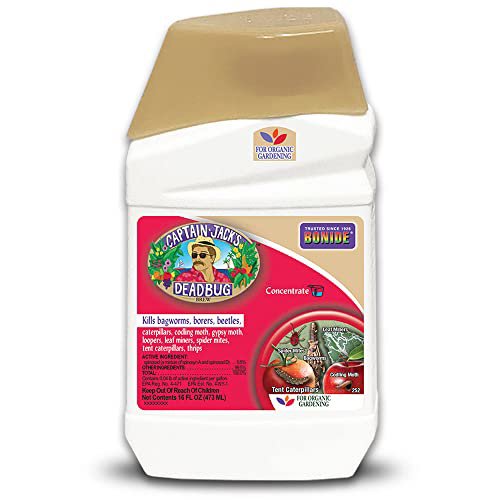
3 Apply a biological control or organic insecticide to target the larvae in the soil and protect the shallot bulb roots.
warning

Onion Maggot (Delia antiqua)

While the adults look like flies, their larvae are the primary concern for Allium species. They migrate into the shallot bulbs to feed, causing rot and significant crop loss in spring-planted crops.

Common
lightbulb
How to confirm: Carefully excavate a bulb to check for small, white, maggot-like larvae tunneling into the flesh.
build How to fix it
shopping_cart Recommended Products
1 Apply an organic insecticide to eliminate the adult flies before they can lay eggs in the soil.
2 Use yellow sticky traps to capture adult flies and monitor the population levels around your shallots.
3 Inspect the bulbs for any signs of soft rot or larvae; remove and destroy any infested shallots immediately to prevent spread.
warning

Blackberry/Fruit Fly species (Drosophilidae)

If your shallots are fermenting or rotting due to moisture, these flies may be attracted to the decaying organic sugars in the bulb. They do not feed on the plant directly but signal that a fungal rot is already present.

Common
lightbulb
How to confirm: Check if there is an underlying smell of fermentation or visible soft, mushy spots on the shallot scales.
build How to fix it
shopping_cart Recommended Products
1 Inspect the shallot bulbs for signs of soft, mushy, or fermented tissue and remove any rotting bulbs immediately to prevent further spread.
2 Reduce watering frequency and ensure the soil is well-draining to eliminate the moisture that attracts these flies.
3 Deploy yellow sticky traps to capture the adult flies and break the reproductive cycle.

Other Allium ascalonicum problems

Your plant might also be experiencing one of these issues:

local_hospital All symptoms eco All plants with tiny black flies
favorite