Allium cepa Novista F1 Brown Leaf Tips
eco Brown Leaf Tips

Allium cepa Novista F1 – Brown Leaf Tips

Why does your Allium cepa Novista F1 have brown leaf tips? Diagnose the cause and fix it with our step-by-step guide.

search Possible Causes

error

Salt Accumulation/Salinity Stress

Onions are sensitive to high concentrations of soluble salts in the soil or irrigation water. Excessive mineral buildup causes osmotic stress, leading to necrosis at the leaf tips as the plant struggles to regulate water.

Very Common
lightbulb
How to confirm: Check if you have recently applied high-nitrogen fertilizers or if your irrigation water has a high mineral content.
build How to fix it
shopping_cart Recommended Products
1 Flush the soil thoroughly with large amounts of fresh, low-salt water to leach accumulated mineral salts away from the root zone.
2 Monitor soil moisture levels closely to ensure the soil remains well-drained and does not become waterlogged, which can exacerbate salt concentration.
3 Amend the soil with organic matter like compost or worm castings to improve soil structure and help buffer against future salinity stress.
error

Water Stress (Drought or Fluctuating Moisture)

Allium cepa requires consistent soil moisture to develop bulb size. Rapid drying of the substrate causes the distal ends of the leaves to desiccate first as a defense mechanism.

Very Common
lightbulb
How to confirm: Check the soil moisture level 2 inches below the surface; if it is bone dry, the plant is likely thirsty.
build How to fix it
shopping_cart Recommended Products
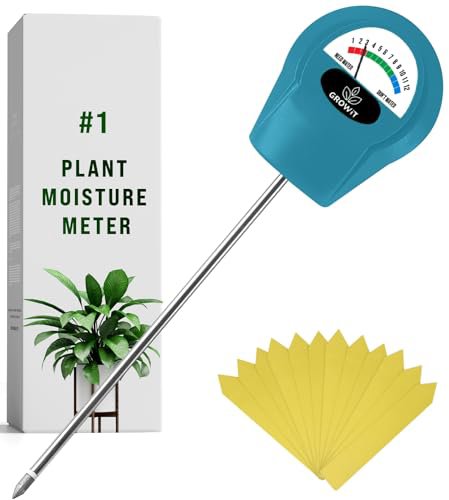
1 Check the soil moisture level immediately using a moisture meter to determine if the substrate has reached a critical dry point.
2 Establish a consistent watering schedule to prevent the rapid drying and re-wetting cycles that cause leaf desiccation.
3 Apply a layer of organic mulch or perlite to the soil surface to help retain moisture and stabilize the substrate temperature.
warning

Nutrient Deficiency (Potassium)

Potassium plays a critical role in osmoregulation and water movement within onion leaves. A deficiency often manifests as chlorosis followed by browning/necrosis at the leaf tips.

Common
lightbulb
How to confirm: Observe if the browning is accompanied by yellowing along the leaf margins.
build How to fix it
shopping_cart Recommended Products
1 Apply a potassium-rich organic fertilizer to the soil to restore essential nutrient levels for osmoregulation.
2 Monitor soil moisture levels using a moisture meter to ensure consistent hydration, as water stress can exacerbate tip browning.
3 Amend the existing soil with organic compost or worm castings to improve long-term nutrient availability.
warning

Ascochyta Leaf Blight

This fungal pathogen can cause necrotic lesions that often start at the tips or margins of the onion leaves. It thrives in high humidity and cool, wet conditions.

Common
lightbulb
How to confirm: Look for small, dark spots or lesions spreading from the tips toward the base of the leaf.
build How to fix it
shopping_cart Recommended Products
1 Remove and destroy all infected plant material and debris to prevent the fungal spores from spreading to healthy leaves.
2 Apply an organic fungicide to protect the remaining foliage from further lesions and prevent the spread of the blight.
3 Improve air circulation around the plants and avoid overhead watering to reduce the high humidity that allows the pathogen to thrive.

Other Allium cepa Novista F1 problems

Your plant might also be experiencing one of these issues:

local_hospital All symptoms eco All plants with brown leaf tips
favorite