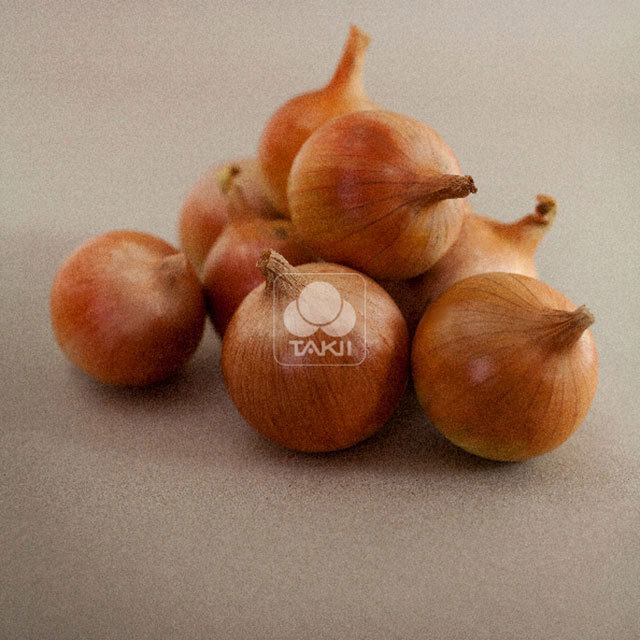
Allium cepa Novista F1 Tiny Black Flies
eco Tiny Black Flies

Allium cepa Novista F1 – Tiny Black Flies

Why does your Allium cepa Novista F1 have tiny black flies? Diagnose the cause and fix it with our step-by-step guide.

search Possible Causes

error

Fungus Gnats (Sciarid Fly larvae)

The tiny black flies are likely adults of the fungus gnat species, which thrive in the moist, organic-rich soil required for Allium cepa. While adults are harmless, their larvae feed on decaying organic matter and can damage developing onion root systems by attacking fine feeder roots.

Very Common
lightbulb
How to confirm: Place a yellow sticky trap near the base of the onion plants to confirm the presence of flying adults.
build How to fix it
shopping_cart Recommended Products
1 Deploy yellow sticky traps to capture the adult flying gnats and break the reproductive cycle.
2 Reduce watering frequency and allow the top inch of soil to dry out completely to kill larvae in the soil.
3 Apply a microbial-based soil drench to promote beneficial bacteria that can help manage soil-borne pests.
warning

Onion Maggot (Delia antiqua)

While the flies themselves are not the maggots, certain Diptera species attracted to onion volatiles can lead to infestations. If these flies lay eggs near the bulb, the resulting larvae will tunnel into the Allium cepa scales, causing rot and plant collapse.

Common
lightbulb
How to confirm: Inspect the base of the onion bulbs for any small holes or signs of tunneling and soft, decaying tissue.
build How to fix it
shopping_cart Recommended Products
1 Apply an organic insecticide to eliminate the adult flies and prevent them from laying eggs near the onion bulbs.
2 Use yellow sticky traps to capture adult flies and monitor the population levels in your garden.
3 Inspect the base of the onion plants for any signs of tunneling or rot, and remove any heavily infested plants immediately to prevent spread.
warning

Excessive Soil Moisture / Poor Drainage

The presence of small black flies often indicates that the soil substrate is staying too wet for too long. For Allium cepa varieties like Novista F1, prolonged moisture promotes fungal growth, which serves as the primary food source and breeding ground for gnats.

Common
lightbulb
How to confirm: Check the depth of moisture in the soil; if it remains damp several inches below the surface after watering, reduce irrigation frequency.
build How to fix it
shopping_cart Recommended Products
1 Reduce watering frequency and allow the top inch of soil to dry out completely before watering again to disrupt the fungus gnat breeding cycle.
2 Apply yellow sticky traps near the soil surface to capture and remove the adult black flies from your plant environment.
3 Improve soil aeration and drainage by mixing in horticultural perlite to prevent the excessive moisture that attracts pests.

Other Allium cepa Novista F1 problems

Your plant might also be experiencing one of these issues:

local_hospital All symptoms eco All plants with tiny black flies
favorite