Allium cepa Novista F1 Yellow Leaves
eco Yellow Leaves

Allium cepa Novista F1 – Yellow Leaves

Why does your Allium cepa Novista F1 have yellow leaves? Diagnose the cause and fix it with our step-by-step guide.

search Possible Causes

error

Nitrogen Deficiency

Nitrogen is a mobile nutrient; when deficient, the plant translocates it from older leaves to new growth, causing uniform yellowing starting with the base of the foliage. In Allium cepa, this directly impacts bulb size and development.

Very Common
lightbulb
How to confirm: Observe if the yellowing started on the oldest, bottom-most leaves first.
build How to fix it
shopping_cart Recommended Products
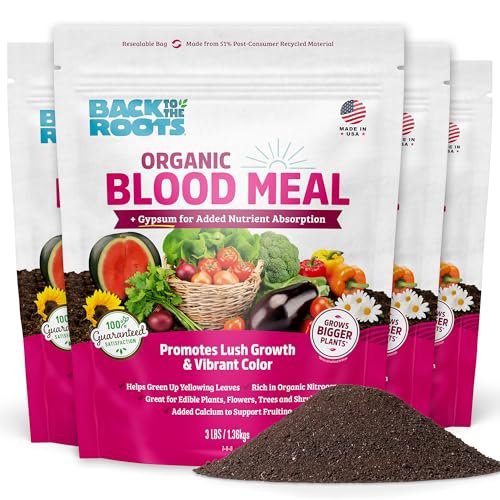
1 Apply a nitrogen-rich organic fertilizer to the soil to replenish the mobile nutrient levels and support foliage greening.
2 Monitor the soil moisture levels using an analog meter to ensure the nitrogen is being effectively absorbed by the roots.
3 Supplement the soil with organic worm castings to provide a slow-release source of nitrogen and improve overall soil health.
error

Overwatering and Soil Waterlogging

Excessive moisture in the soil reduces oxygen availability to the onion roots, leading to anaerobic conditions. This prevents nutrient uptake and causes the foliage to turn yellow and eventually wilt.

Very Common
lightbulb
How to confirm: Check the soil moisture level 2 inches below the surface; it should be moist but not saturated.
build How to fix it
shopping_cart Recommended Products
1 Immediately stop watering and allow the soil to dry out significantly to restore oxygen to the root zone.
2 Check the drainage of your container; if water is pooling, repot the onion in a well-draining medium amended with perlite to prevent future waterlogging.
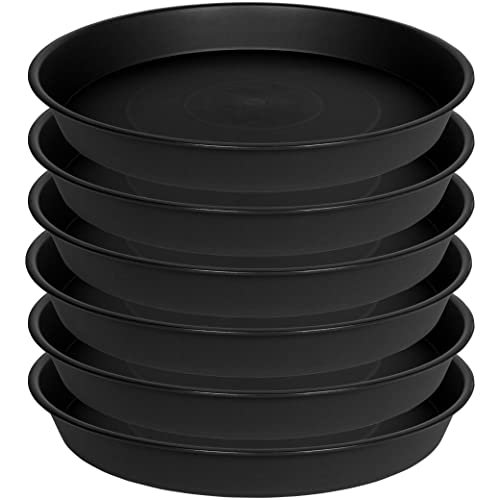
3 Ensure the plant is in a pot with adequate drainage holes and use a saucer to catch excess water without letting the pot sit in standing liquid.
warning

Purple Blotch (Alternaria porri)

This fungal pathogen causes small, water-soaked lesions that expand into dark purple or grey spots, often surrounded by chlorotic (yellow) halos. It thrives in high humidity and warm temperatures.

Common
lightbulb
How to confirm: Inspect the yellow areas for distinct dark, necrotic spots or ring-like patterns on the leaves.
build How to fix it
shopping_cart Recommended Products
1 Apply an organic fungicide to control the spread of the purple blotch lesions and prevent further fungal development.
2 Improve air circulation around the plants and reduce humidity by avoiding overhead watering, which helps prevent the pathogen from thriving.
3 Remove and destroy any heavily infected plant debris to prevent the fungal spores from spreading to healthy onions.
warning

Temperature Stress (Cold/Heat)

Extreme temperature fluctuations can disrupt the metabolic processes of the Novista F1 hybrid. Rapid shifts can cause temporary chlorosis as the plant enters a stress-response mode to protect the developing bulb.

Common
lightbulb
How to confirm: Compare the onset of yellowing with recent local weather extremes or frost events.
build How to fix it
shopping_cart Recommended Products
1 Stabilize the plant's environment by protecting it from extreme temperature fluctuations and sudden frost or heat waves.
2 Monitor soil temperature and moisture levels closely to ensure the root zone remains stable during thermal shifts.
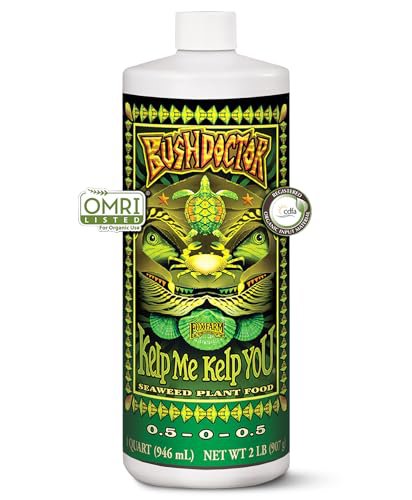
3 Apply a liquid seaweed fertilizer to help the plant recover from metabolic stress and boost resilience.

Other Allium cepa Novista F1 problems

Your plant might also be experiencing one of these issues:

local_hospital All symptoms eco All plants with yellow leaves
favorite