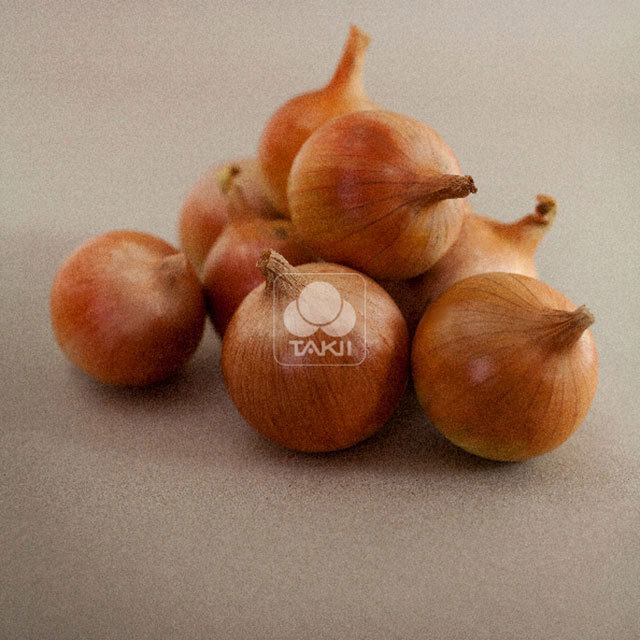
Allium cepa Novista F1 Drooping Leaves
eco Drooping Leaves

Allium cepa Novista F1 – Drooping Leaves

Why does your Allium cepa Novista F1 have drooping leaves? Diagnose the cause and fix it with our step-by-step guide.

search Possible Causes

error

Water Stress (Drought or Overwatering)

Onions require consistent moisture to maintain turgor pressure in their leaves. Both extreme drought and waterlogged soil can cause cells to lose pressure, leading to the characteristic drooping of Allium cepa foliage.

Very Common
lightbulb
How to confirm: Check the soil moisture level 2 inches below the surface; it should be moist but not saturated or bone-dry.
build How to fix it
shopping_cart Recommended Products
1 Check the soil moisture level at the root zone using a moisture meter to determine if the plant is suffering from drought or overwatering.
2 If the soil is bone dry, water the plant thoroughly until water drains from the bottom; if the soil is waterlogged, allow it to dry out completely before next watering.
3 Ensure the onion is planted in a well-draining medium, potentially amending the soil with perlite to prevent future waterlogging.
warning

Allion Liriope Virus (ALV) or Viral Infection

Viral pathogens can disrupt the structural integrity of the onion leaves, causing them to wilt and lose their upright growth habit. This often presents alongside chlorosis (yellowing) in the affected foliage.

Common
lightbulb
How to confirm: Observe if the drooping is accompanied by irregular yellowing patterns or mottling on the leaf surface.
build How to fix it
shopping_cart Recommended Products
1 Isolate the infected onion plant immediately from healthy crops to prevent the virus from spreading via insects or contact.
2 Remove and destroy all symptomatic plant material and debris to eliminate the viral reservoir in your garden.
3 Control potential insect vectors, such as aphids, using an organic insecticide to prevent further transmission of the virus.
warning

Nutrient Deficiency (Nitrogen)

Nitrogen is critical for the development of strong, upright leaf structures in Novista F1. A deficiency leads to chlorosis and a loss of structural rigidity, causing the leaves to collapse or droop.

Common
lightbulb
How to confirm: Look for yellowing that starts with the older, lower leaves while the newer growth remains relatively green.
build How to fix it
shopping_cart Recommended Products
1 Apply a nitrogen-rich organic fertilizer to boost leaf development and restore structural rigidity.
2 Monitor soil moisture levels with a moisture meter to ensure nitrogen uptake is not being hindered by waterlogged or overly dry soil.
warning

Root Rot (Pythium or Rhizoctonia)

Soil-borne pathogens attacking the root system of Allium cepa prevent the uptake of water and minerals. Even if soil moisture is adequate, the plant cannot transport it to the leaves, causing wilting.

Common
lightbulb
How to confirm: Gently lift one onion bulb to inspect if the roots are dark, slimy, or have a foul odor.
build How to fix it
shopping_cart Recommended Products
1 Immediately inspect the root system for mushy, brown, or foul-smelling roots and prune away any decayed tissue using sterilized tools.
2 Repot the onion in a fresh, well-draining medium enriched with perlite to improve aeration and prevent further waterlogging.
3 Apply a microbial inoculant to the soil to help restore beneficial bacteria and compete against soil-borne pathogens.

Other Allium cepa Novista F1 problems

Your plant might also be experiencing one of these issues:

local_hospital All symptoms eco All plants with drooping leaves
favorite