Allium fistulosum Brown Leaf Tips
eco Brown Leaf Tips

Allium fistulosum – Brown Leaf Tips

Why does your Allium fistulosum have brown leaf tips? Diagnose the cause and fix it with our step-by-step guide.

search Possible Causes

error

Salt Accumulation (Salinity Stress)

Green onions are sensitive to high levels of salts in the soil or fertilizer. Excessive sodium or chloride causes physiological drought, leading to tip burn as salts accumulate at the leaf extremities.

Very Common
lightbulb
How to confirm: Check if you have recently applied high-nitrogen fertilizers or if you are using hard well water.
build How to fix it
shopping_cart Recommended Products
1 Flush the soil thoroughly with large amounts of fresh, distilled, or rainwater to leach accumulated salts away from the root zone.
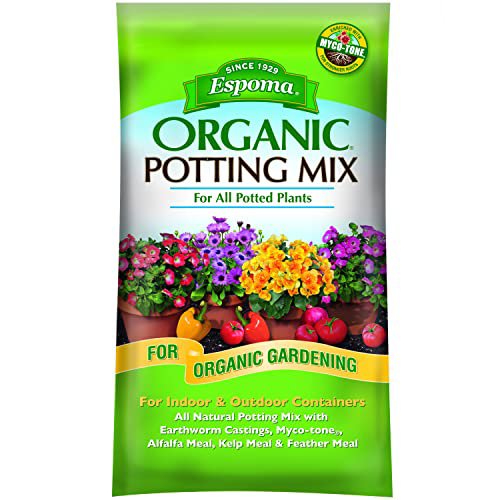
2 Repot the plant in fresh, high-quality potting soil to completely remove the salt-contaminated medium.
3 Monitor soil moisture levels closely to prevent future over-fertilization and salt buildup using a moisture meter.
error

Inconsistent Soil Moisture

Alliums require consistent moisture to maintain turgor pressure. Rapid cycling between bone-dry soil and saturated conditions causes the delicate leaf tips of Allium fistulosum to desiccate and turn brown.

Very Common
lightbulb
How to confirm: Stick your finger 2 inches into the soil to see if it has been drying out completely between waterings.
build How to fix it
shopping_cart Recommended Products
1 Monitor soil moisture levels closely using an analog meter to ensure the soil stays consistently damp but not waterlogged.
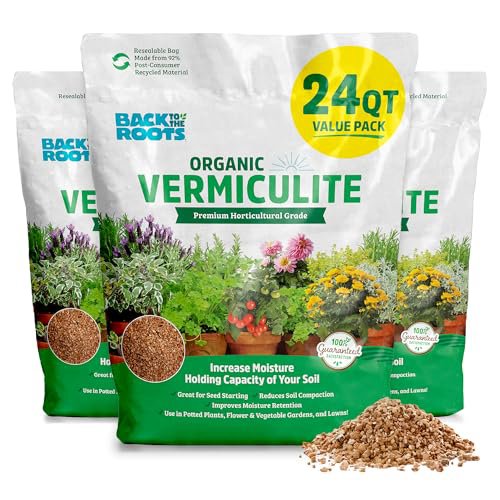
2 Apply a consistent watering schedule and consider using a moisture-retaining amendment like vermiculite or coco coir to stabilize hydration.
3 Trim away the dead, brown leaf tips with clean scissors to prevent further aesthetic decline and focus energy on new growth.
warning

Nutrient Deficiency (Potassium)

A lack of potassium prevents proper regulation of stomata and water movement within the plant. In Allium species, this often manifests first as necrotic (brown) lesions or drying on the leaf tips.

Common
lightbulb
How to confirm: Look for similar browning patterns appearing on older, outer leaves before new growth.
build How to fix it
shopping_cart Recommended Products
1 Apply a potassium-rich organic fertilizer to the soil to restore nutrient levels and support proper water regulation.
2 Monitor soil moisture levels using a moisture meter to ensure consistent hydration, as potassium deficiency can exacerbate drought stress.
3 Prune away the most severely necrotic brown tips with clean shears to prevent further spread of tissue decay.
warning

Low Humidity / Heat Stress

High transpiration rates caused by low ambient humidity or intense direct sun can outpace the plant's ability to transport water to the tips. This results in localized tissue death at the furthest points from the roots.

Common
lightbulb
How to confirm: Observe if the browning worsens during periods of high heat or dry, windy weather.
build How to fix it
shopping_cart Recommended Products
1 Increase ambient humidity around the plant by using a pebble tray or a fine misting spray bottle to prevent moisture loss from leaf tips.
2 Move the plant to a location with filtered sunlight or more shade to reduce heat stress and lower transpiration rates.
3 Monitor soil moisture levels closely to ensure the roots can adequately support the plant during heat periods.

Other Allium fistulosum problems

Your plant might also be experiencing one of these issues:

local_hospital All symptoms eco All plants with brown leaf tips
favorite