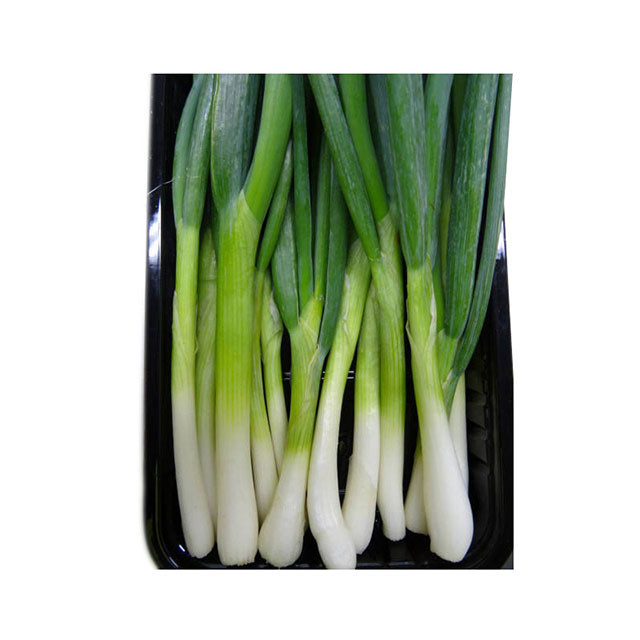
Allium fistulosum Tiny Black Flies
eco Tiny Black Flies

Allium fistulosum – Tiny Black Flies

Why does your Allium fistulosum have tiny black flies? Diagnose the cause and fix it with our step-by-step guide.

search Possible Causes

error

Fungus Gnats (Sciarid Flies)

The tiny black flies are likely adults of the fungus gnat species, which lay eggs in moist organic matter. Their larvae feed on the fine root hairs of Allium fistulosum, potentially leading to stunted growth or yellowing leaves.

Very Common
lightbulb
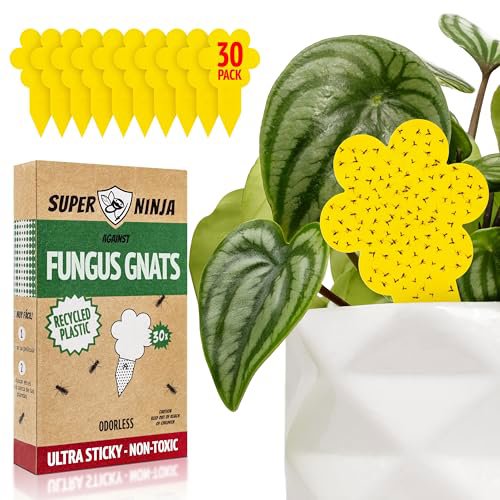
How to confirm: Place a yellow sticky trap near the base of the green onions to confirm adult fly presence.
build How to fix it
shopping_cart Recommended Products
1 Deploy yellow sticky traps to capture the adult flying gnats and break the reproductive cycle.
2 Reduce watering frequency and allow the top inch of soil to dry out completely to eliminate the moist environment larvae need to survive.
3 Apply a microbial-based soil drench to target the larvae living in the organic matter.
error

Overwatering and Soil Compaction

Excessive moisture in the Allium fistulosum pot or garden bed creates the perfect breeding ground for fungus gnats. Constant wetness also reduces oxygen availability to the onion roots, making them more susceptible to rot.

Very Common
lightbulb
How to confirm: Insert your finger 2 inches into the soil; if it feels saturated and smells slightly sour, reduce watering frequency.
build How to fix it
shopping_cart Recommended Products
1 Reduce watering frequency and allow the top inch of soil to dry out completely to disrupt the fungus gnat life cycle and prevent root rot.
2 Aerate the compacted soil using a hand tool to improve oxygen availability to the roots, and consider mixing in perlite to enhance drainage.
3 Deploy yellow sticky traps to capture the adult flying gnats and prevent further breeding in the moist soil.
warning

High Organic Matter Decomposition

If you have recently added compost or fresh organic mulch around the base of your green onions, this provides a nutrient-rich environment for fly larvae to thrive. The decaying material attracts adult flies looking to oviposit.

Common
lightbulb
How to confirm: Check if there is a thick layer of decomposing organic matter or uncomposted material sitting on top of the soil surface.
build How to fix it
shopping_cart Recommended Products
1 Remove any excess fresh compost, decaying mulch, or overly moist organic matter from the base of the green onions to eliminate the breeding site for the flies.
2 Deploy yellow sticky traps near the soil surface to capture adult flies and disrupt their reproductive cycle.
3 Monitor the soil moisture levels closely to ensure the medium is not staying too damp, which can further encourage larvae development.

Other Allium fistulosum problems

Your plant might also be experiencing one of these issues:

local_hospital All symptoms eco All plants with tiny black flies
favorite