Allium fistulosum Yellow Leaves
eco Yellow Leaves

Allium fistulosum – Yellow Leaves

Why does your Allium fistulosum have yellow leaves? Diagnose the cause and fix it with our step-by-step guide.

search Possible Causes

error

Nitrogen Deficiency

Green onions have a high demand for nitrogen to produce their characteristic green, succulent leaves; a lack of nitrogen causes the oldest leaves to turn pale yellow first.

Very Common
lightbulb
How to confirm: Check if the yellowing started on the older, outer leaves and if the new growth appears significantly smaller or stunted.
build How to fix it
shopping_cart Recommended Products
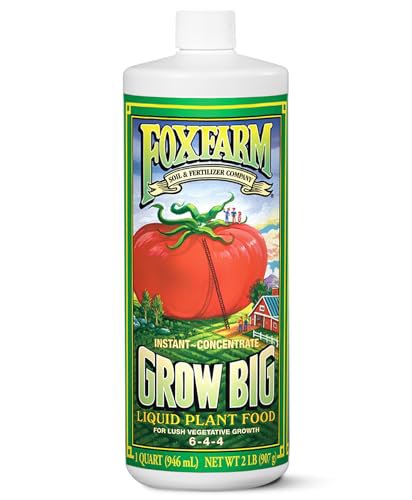
1 Apply a nitrogen-rich liquid fertilizer to provide immediate nutrient uptake for the developing leaves.
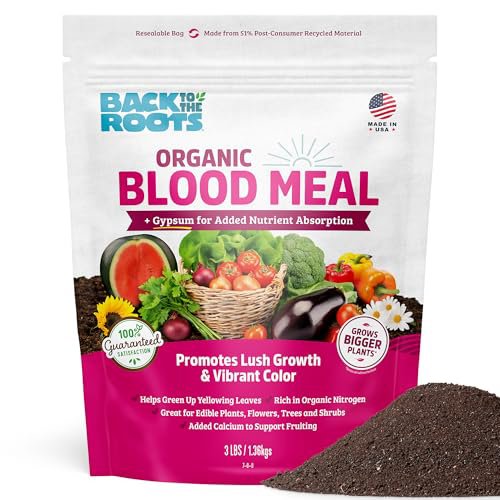
2 Supplement the soil with an organic nitrogen source like blood meal to ensure a sustained release of nutrients.
3 Monitor soil moisture levels using a moisture meter to ensure the nitrogen is being effectively transported to the roots.
error

Overwatering and Root Hypoxia

Excessive moisture in the soil displaces oxygen, leading to root suffocation and preventing the plant from transporting nutrients effectively, resulting in yellowing foliage.

Very Common
lightbulb
How to confirm: Press your finger into the soil near the base of the plant to see if it feels saturated or muddy.
build How to fix it
shopping_cart Recommended Products
1 Immediately stop watering and allow the soil to dry out significantly to restore oxygen to the root zone.
2 Check the drainage of your container; if the soil remains saturated, repot the plant in a well-draining medium enriched with perlite to improve aeration.
3 Ensure the plant is in a pot with adequate drainage holes and use a saucer to catch excess water, but do not let the pot sit in standing water.
warning

Allium Leaf Blight (Phytophthora)

This fungal-like pathogen causes water-soaked lesions that eventually turn yellow and can lead to the collapse of the hollow leaves in high-humidity environments.

Common
lightbulb
How to confirm: Inspect the base of the leaves for dark, slimy lesions or signs of decay near the soil line.
build How to fix it
shopping_cart Recommended Products
1 Remove and destroy all heavily infected or yellowing leaves to prevent the pathogen from spreading through the plant population.
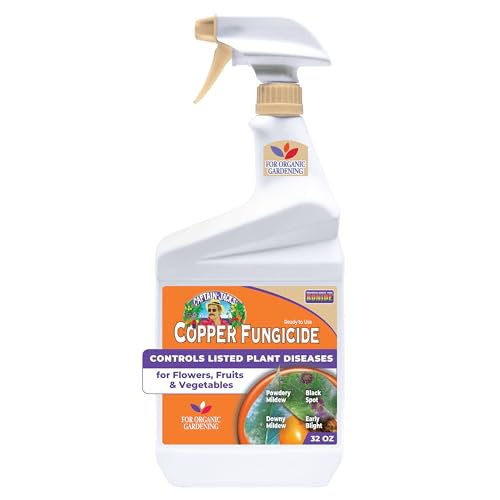
2 Apply an organic fungicide to control the spread of the blight and protect healthy tissue.
3 Improve air circulation and reduce humidity around the plants, and avoid overhead watering to keep the leaves dry.
warning

Temperature Stress (Cold Shock)

Extreme fluctuations in temperature or sudden exposure to frost can damage the cellular structure of Allium fistulosum, causing chlorophyll degradation and yellowing.

Common
lightbulb
How to confirm: Determine if there has been a recent significant drop in nighttime temperatures or an unexpected frost event in your area.
build How to fix it
shopping_cart Recommended Products
1 Move the plant to a stable, sheltered environment to protect it from further temperature fluctuations and frost exposure.
2 Monitor soil temperature and moisture levels closely to ensure the roots are not experiencing additional thermal stress.
3 Apply a mild liquid fertilizer to help the plant recover and boost nutrient uptake once temperatures stabilize.

Other Allium fistulosum problems

Your plant might also be experiencing one of these issues:

local_hospital All symptoms eco All plants with yellow leaves
favorite