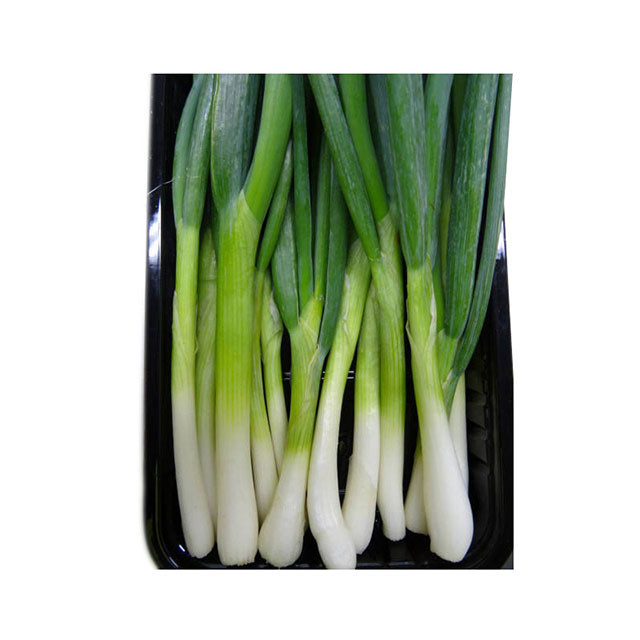
Allium fistulosum Leggy Stems
eco Leggy Stems

Allium fistulosum – Leggy Stems

Why does your Allium fistulosum have leggy stems? Diagnose the cause and fix it with our step-by-step guide.

search Possible Causes

error

Insufficient Light Intensity

Alliums require full sun to maintain structural integrity; low light triggers etiolation, causing the plant to stretch rapidly toward a light source.

Very Common
lightbulb
How to confirm: Observe if the plants are leaning toward windows or if the leaves appear pale and thin compared to those in direct sun.
build How to fix it
shopping_cart Recommended Products
1 Move your green onions to a location that receives at least 6 to 8 hours of direct sunlight daily to prevent further stretching.
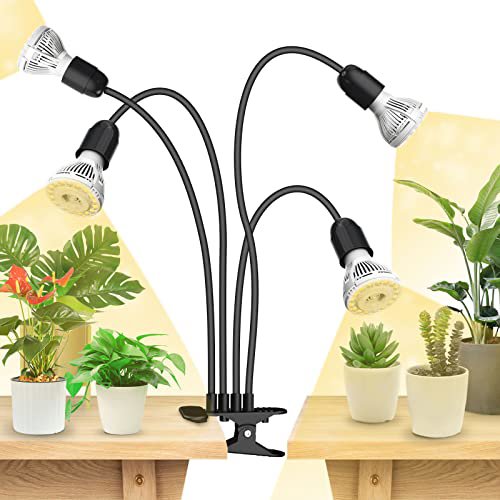
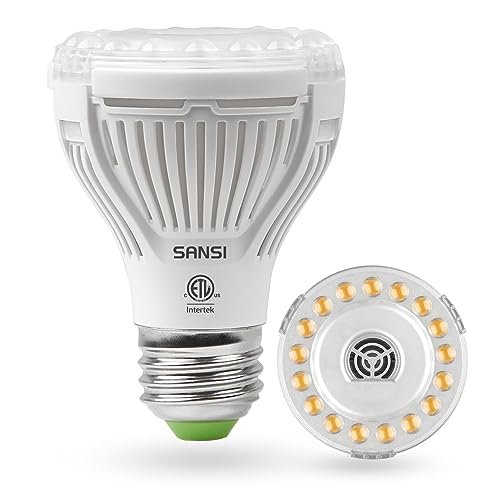
2 Supplement with a full-spectrum grow light to provide the necessary light intensity for structural strength.
3 Prune the excessively long, weak stems to encourage new, sturdier growth from the base.
warning

Nitrogen Deficiency

While nitrogen promotes leaf growth, a lack of balanced nutrients can lead to weak, spindly cell wall development in the hollow stems of green onions.

Common
lightbulb
How to confirm: Check for overall pale yellowing of the leaves alongside the elongated stem growth.
build How to fix it
shopping_cart Recommended Products
1 Apply a nitrogen-rich liquid fertilizer to stimulate lush, green leaf development and strengthen the hollow stems.
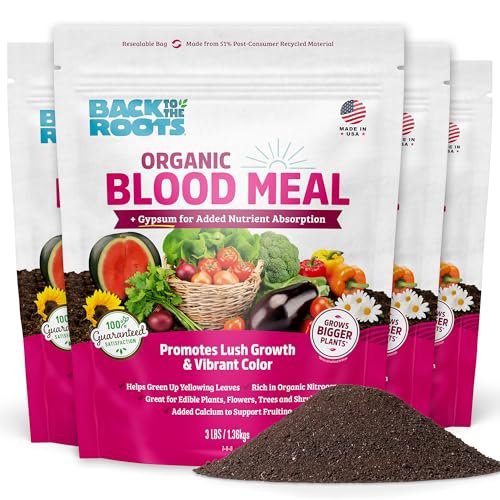
2 Supplement the soil with an organic nitrogen source like blood meal to provide long-lasting nutrient availability.
3 Ensure the plant receives adequate sunlight to prevent further stretching and spindly growth.
warning

High Temperature and Humidity

Warm, humid environments can accelerate metabolic rates in Allium fistulosum, leading to rapid elongation without sufficient biomass production.

Common
lightbulb
How to confirm: Monitor if the legginess coincides with recent heatwaves or increased greenhouse humidity levels.
build How to fix it
shopping_cart Recommended Products
1 Relocate the plant to a cooler, well-ventilated area to slow down the metabolic rate and prevent further stem elongation.
2 Increase light intensity to provide enough energy for biomass production, helping the stems thicken.
3 Monitor soil moisture closely to ensure the increased temperature isn't causing rapid drying or root stress.
warning

Overwatering/Root Suffocation

Excessive moisture can damage root hairs, limiting the plant's ability to uptake structural minerals like calcium, leading to weak, elongated growth.

Common
lightbulb
How to confirm: Feel the soil depth; if it remains saturated for long periods, the roots may be struggling to breathe.
build How to fix it
shopping_cart Recommended Products
1 Reduce watering frequency and allow the top inch of soil to dry out completely before watering again to prevent further root suffocation.
2 Apply a calcium supplement to help strengthen cell walls and improve structural integrity of the stems.
3 Ensure the plant is in a well-draining container or amend the soil with perlite to improve aeration and prevent waterlogging.

Other Allium fistulosum problems

Your plant might also be experiencing one of these issues:

local_hospital All symptoms eco All plants with leggy stems
favorite