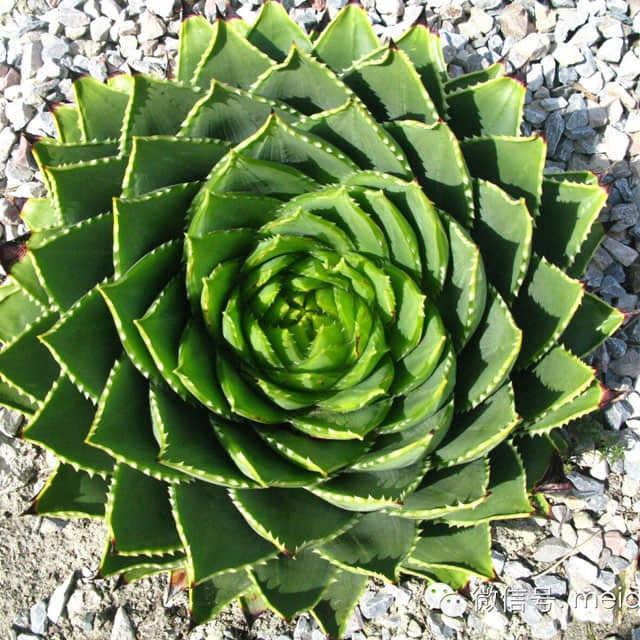
Aloe polyphylla Drooping Leaves
eco Drooping Leaves

Aloe polyphylla – Drooping Leaves

Why does your Aloe polyphylla have drooping leaves? Diagnose the cause and fix it with our step-by-step guide.

search Possible Causes

error

Overwatering and Root Rot

Aloe polyphylla is highly susceptible to rot if the substrate remains damp. Excessive moisture causes the roots to decay, losing their ability to transport water upward, which results in flaccid, drooping leaves.

Very Common
lightbulb
How to confirm: Gently lift the plant from its pot to check if the roots are dark, slimy, or soft.
build How to fix it
shopping_cart Recommended Products
1 Immediately remove the plant from its current pot and inspect the roots for any mushy, black, or foul-smelling decay; prune away all rot using sterilized tools.
2 Repot the aloe in a fresh, highly porous, and well-draining substrate to ensure the root zone dries out quickly between waterings.
3 Use a moisture meter to monitor the soil and ensure you only water when the substrate is completely dry to prevent future overwatering.
error

Extreme Temperature Fluctuations

As a high-altitude species from the Maloti Mountains, this aloe requires specific cool temperatures. Sudden heat waves or lack of required seasonal cooling can cause physiological stress and leaf drooping.

Very Common
lightbulb
How to confirm: Monitor if the drooping coincides with recent exposure to temperatures exceeding 30°C (86°F).
build How to fix it
shopping_cart Recommended Products
1 Stabilize the plant's environment by moving it to a location with consistent, cool temperatures, away from heat vents or direct summer sun.
2 Monitor soil moisture closely to ensure the plant isn't experiencing drought stress due to the heat, using a moisture meter to prevent overwatering during recovery.
3 Apply a diluted liquid seaweed fertilizer to help the plant recover from environmental stress and boost nutrient uptake.
warning

Dehydration / Underwatering

While drought-tolerant, a complete lack of moisture during the active growing season will cause the leaves to lose turgor pressure and wilt as the plant tries to conserve internal water.

Common
lightbulb
How to confirm: Check if the soil is bone-dry deep into the pot and if the leaves feel thin or wrinkled.
build How to fix it
shopping_cart Recommended Products
1 Check the soil moisture level immediately using a moisture meter to confirm if the root zone is completely dry.
2 Thoroughly soak the soil with water until it drains from the bottom of the pot, ensuring the plant can reabsorb moisture to restore turgor pressure.
3 Ensure the plant is in a well-draining container with a saucer to prevent water from pooling, which can lead to rot if the soil stays too wet after watering.
warning

Nutrient Deficiency (Nitrogen)

A lack of essential macronutrients, particularly nitrogen, can weaken the structural integrity of the spiral rosette, leading to a loss of rigidity in the leaf blades.

Common
lightbulb
How to confirm: Observe if the drooping is accompanied by a pale, yellowish color change across the entire rosette.
build How to fix it
shopping_cart Recommended Products
1 Apply a nitrogen-rich liquid fertilizer to the soil to restore structural strength to the leaves.
2 Monitor soil moisture levels with a moisture meter to ensure the drooping isn't actually caused by overwatering or dehydration.
3 Ensure the plant is receiving adequate light, as insufficient energy can exacerbate the appearance of nutrient-related weakness.

Other Aloe polyphylla problems

Your plant might also be experiencing one of these issues:

local_hospital All symptoms eco All plants with drooping leaves
favorite