Aloe polyphylla Tiny Black Flies
eco Tiny Black Flies

Aloe polyphylla – Tiny Black Flies

Why does your Aloe polyphylla have tiny black flies? Diagnose the cause and fix it with our step-by-step guide.

search Possible Causes

error

Fungus Gnats (Sciaridae)

The larvae of these flies live in the organic matter of the soil and feed on decaying plant roots or fungal mycelium. In Aloe polyphylla, which requires very specific drainage, high moisture levels often trigger outbreaks that can eventually damage the sensitive spiral root system.

Very Common
lightbulb
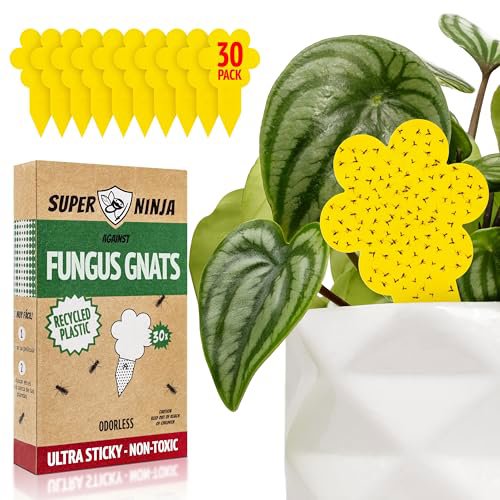
How to confirm: Set a yellow sticky trap near the pot to see if small dark flies are captured.
build How to fix it
shopping_cart Recommended Products
1 Deploy yellow sticky traps to capture adult flies and interrupt the breeding cycle.
2 Reduce watering frequency and allow the soil to dry out significantly to kill larvae inhabiting the moist organic matter.
3 Top-dress the soil with a layer of horticultural perlite or sand to create a dry barrier that prevents adults from laying eggs.
warning

Black Scutellariidae / Drain Fly Larvae

If the potting medium is overly saturated or contains heavy organic compost, these flies may emerge to lay eggs in the moist crevices of the spiral rosette. This often indicates that the substrate is staying wet for too long, risking crown rot.

Common
lightbulb
How to confirm: Check if the flies are hovering specifically around the base of the leaves where moisture collects.
build How to fix it
shopping_cart Recommended Products
1 Reduce watering frequency and allow the substrate to dry out completely to disrupt the larvae's moist breeding environment.
2 Apply an organic insecticide spray to eliminate adult flies and larvae, and use yellow sticky traps to capture emerging adults.
3 Repot the Aloe in a well-draining, gritty substrate like a mix containing perlite or clay pebbles to prevent future water stagnation.
warning

Fruit Flies (Drosophilidae)

These flies are attracted to fermenting organic matter or overripe nectar/sap residues on the succulent's leaves. While they don't feed on the plant directly, their presence indicates an issue with decaying organic material in the top layer of the soil.

Common
lightbulb
How to confirm: Inspect the leaf axils for any signs of fermented sap or decomposing organic debris.
build How to fix it
shopping_cart Recommended Products
1 Remove any decaying organic matter or stagnant water from the soil surface to eliminate the breeding ground for the flies.
2 Deploy yellow sticky traps near the plant to capture adult flies and monitor the infestation level.
3 Ensure the soil surface is dry and consider adding a layer of inorganic top dressing like perlite to prevent organic buildup.

Other Aloe polyphylla problems

Your plant might also be experiencing one of these issues:

local_hospital All symptoms eco All plants with tiny black flies
favorite