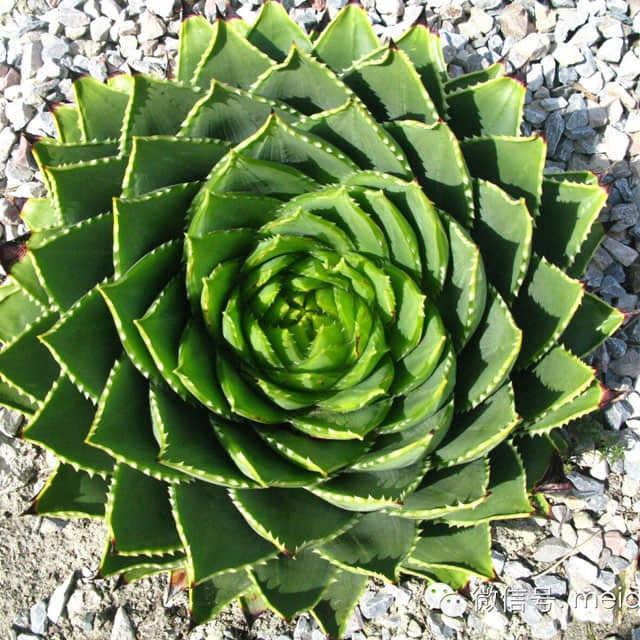
Aloe polyphylla Yellow Leaves
eco Yellow Leaves

Aloe polyphylla – Yellow Leaves

Why does your Aloe polyphylla have yellow leaves? Diagnose the cause and fix it with our step-by-step guide.

search Possible Causes

error

Overwatering and Root Rot

Aloe polyphylla is native to high-altitude, well-drained environments; excessive moisture causes the roots to suffocate, leading to chlorosis (yellowing) as the plant can no longer transport nutrients.

Very Common
lightbulb
How to confirm: Gently lift the plant from its pot to check if the roots are brown and mushy rather than firm and white.
build How to fix it
shopping_cart Recommended Products
1 Immediately remove the plant from the pot and trim away any mushy, black, or foul-smelling roots caused by rot.
2 Repot the Aloe in a highly porous, well-draining medium using a mix of organic cactus soil and perlite to ensure oxygen reaches the roots.
3 Use a moisture meter to monitor the soil, ensuring you only water when the substrate is completely dry to prevent future overwatering.
warning

Nutrient Deficiency (Nitrogen or Magnesium)

In the specific mineral-rich mountain soils this species requires, a lack of nitrogen can cause older leaves to turn pale yellow before progressing upward through the spiral.

Common
lightbulb
How to confirm: Observe if the yellowing starts specifically on the oldest, outermost leaves first.
build How to fix it
shopping_cart Recommended Products
1 Apply a balanced organic liquid fertilizer to replenish nitrogen and magnesium levels in the soil.
2 Check the soil moisture levels using a moisture meter to ensure the deficiency isn't being exacerbated by overwatering.
3 Amend the existing potting medium with organic worm castings to provide a slow-release nutrient boost.
warning

Temperature Stress (Heat or Cold)

This species is highly sensitive to temperature extremes; sudden heatwaves can cause leaf bleaching/yellowing, while frost damage can trigger rapid chlorosis in the spiral structure.

Common
lightbulb
How to confirm: Check if the yellowing coincided with a recent period of unusually high or low temperatures.
build How to fix it
shopping_cart Recommended Products
1 Relocate the plant to a stable environment with moderate temperatures, avoiding both direct frost and extreme heatwaves to prevent further chlorosis.
2 Monitor soil moisture closely during temperature shifts using a moisture meter to ensure the roots do not suffer from drought or waterlogging during stress.
3 Apply a diluted liquid seaweed fertilizer to help the plant recover from environmental stress and boost nutrient uptake.
warning

Improper Light Intensity

While they need bright light, too much direct, intense afternoon sun without adequate humidity can cause the leaves to yellow and eventually scorch.

Common
lightbulb
How to confirm: Look for dry, papery patches on the parts of the leaves most exposed to the sun.
build How to fix it
shopping_cart Recommended Products
1 Relocate your Aloe polyphylla to a spot with bright, filtered light to prevent direct afternoon sun from scorching the leaves.
2 Monitor the soil moisture levels closely to ensure the plant is not being overwatered, as yellowing can also stem from root issues.
3 If the plant is in a dry environment, use a fine mist to increase local humidity around the foliage.

Other Aloe polyphylla problems

Your plant might also be experiencing one of these issues:

local_hospital All symptoms eco All plants with yellow leaves
favorite