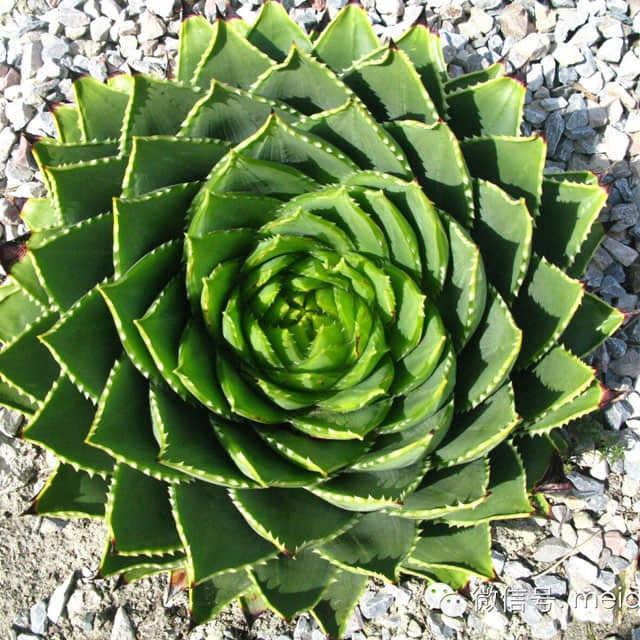
Aloe polyphylla Sudden Leaf Drop
eco Sudden Leaf Drop

Aloe polyphylla – Sudden Leaf Drop

Why does your Aloe polyphylla have sudden leaf drop? Diagnose the cause and fix it with our step-by-step guide.

search Possible Causes

error

Root Rot (Phytophthora or Pythium)

As a high-altitude succulent, Aloe polyphylla requires exceptional drainage. Excessive moisture in the substrate leads to fungal decay of the root system, which prevents water transport to the leaves, causing them to detach from the base.

Very Common
lightbulb
How to confirm: Gently lift the plant from its pot to check if the roots are black, slimy, or have a foul odor.
build How to fix it
shopping_cart Recommended Products
1 Immediately remove the plant from its current pot and trim away all mushy, blackened, or foul-smelling roots using sterilized tools.
2 Repot the Aloe polyphylla in a highly porous, well-draining substrate mix containing perlite or clay pebbles to prevent future water retention.
3 Use a moisture meter to monitor the substrate, ensuring you only water when the soil is completely dry to avoid further fungal growth.
error

Temperature Shock / Frost Damage

Aloe polyphylla is native to the Drakensberg mountains and requires cool, stable temperatures. Sudden exposure to freezing temperatures or extreme heat fluctuations can trigger a stress response, causing the plant to shed leaves to conserve moisture.

Very Common
lightbulb
How to confirm: Check if there was a recent cold snap or significant temperature drop in your growing environment.
build How to fix it
shopping_cart Recommended Products
1 Immediately move the plant to a stable, sheltered environment protected from frost and extreme temperature fluctuations to prevent further leaf loss.
2 Monitor the soil moisture closely using a moisture meter to ensure the plant is not overwatered while in a stressed, dormant-like state.
3 Apply a diluted dose of seaweed fertilizer to help the plant recover from environmental stress and promote root resilience.
warning

Improper Dormancy Management

This species has a distinct growth cycle linked to seasonal moisture and temperature changes. Forcing growth with heavy fertilization or watering during its natural dormant period can cause physiological stress and leaf drop.

Common
lightbulb
How to confirm: Review your recent fertilization and watering schedule to see if it contradicts the plant's natural seasonal cycle.
build How to fix it
shopping_cart Recommended Products
1 Reduce watering frequency significantly to mimic the plant's natural dry dormant period and prevent root rot.
2 Cease all liquid fertilization, such as FoxFarm Grow Big, until the plant enters its active growing season to avoid physiological stress.
3 Ensure the plant is in a well-draining medium; consider adding perlite to improve aeration and prevent moisture retention during dormancy.
warning

Nutrient Deficiency (specifically Nitrogen or Magnesium)

The spiral formation of this aloe is energy-intensive. A lack of essential macronutrients can weaken the structural integrity of the leaf attachments, leading to premature shedding.

Common
lightbulb
How to confirm: Observe if the leaves turning yellow before dropping, which often indicates a nutrient transport issue.
build How to fix it
shopping_cart Recommended Products
1 Apply a balanced liquid fertilizer to boost nitrogen and magnesium levels, which are essential for maintaining the structural integrity of the spiral leaves.
2 Monitor the soil moisture levels using an analog meter to ensure the plant is not experiencing stress from overwatering, which can also cause leaf drop.
3 Ensure the plant is receiving adequate light, as insufficient energy production can exacerbate the effects of nutrient deficiencies.

Other Aloe polyphylla problems

Your plant might also be experiencing one of these issues:

local_hospital All symptoms eco All plants with sudden leaf drop
favorite