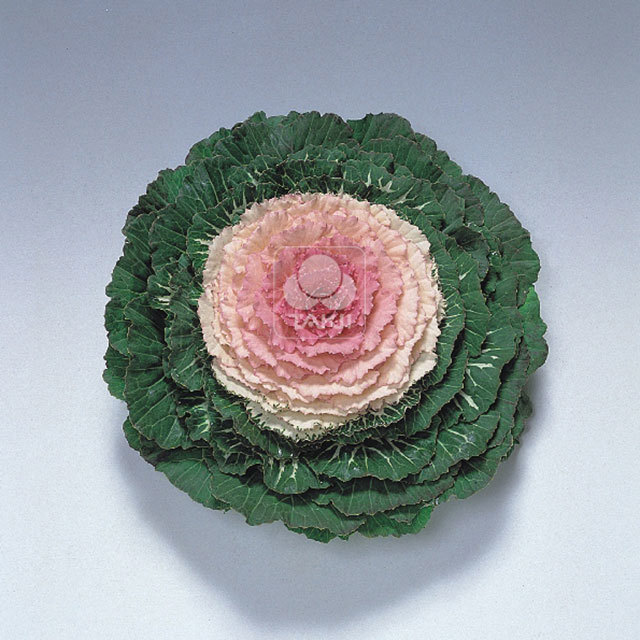
Brassica Pigeon F1 Round Victoria Brown Leaf Tips
eco Brown Leaf Tips

Brassica Pigeon F1 Round Victoria – Brown Leaf Tips

Why does your Brassica Pigeon F1 Round Victoria have brown leaf tips? Diagnose the cause and fix it with our step-by-step guide.

search Possible Causes

error

Potassium Deficiency

In Brassicas like Victoria Round Cabbage, a lack of potassium prevents proper osmoregulation within the leaf cells, leading to necrosis at the margins and tips. This is common in heavy-feeding crops where soil nutrients have been depleted by previous plantings.

Very Common
lightbulb
How to confirm: Check if the browning is accompanied by chlorosis (yellowing) moving from the edges toward the center of the older leaves.
build How to fix it
shopping_cart Recommended Products
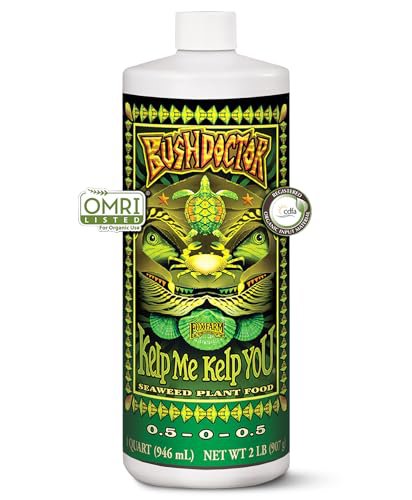
1 Apply a potassium-rich organic fertilizer to replenish soil nutrients and support cell osmoregulation.
2 Incorporate organic soil amendments like worm castings or compost to improve long-term nutrient availability.
3 Monitor soil moisture levels to ensure consistent hydration, as water stress can exacerbate tip necrosis.
error

Salt Accumulation (Salinity Stress)

Excessive use of nitrogen-based fertilizers or high mineral content in irrigation water can cause salt buildup in the leaf margins. In cabbage, this osmotic stress draws moisture out of the leaf tips, resulting in dry, brown edges.

Very Common
lightbulb
How to confirm: Flush the soil with heavy amounts of fresh water to see if the symptom persists in new growth.
build How to fix it
shopping_cart Recommended Products
1 Flush the soil thoroughly with large amounts of fresh, low-mineral water to leach accumulated salts away from the root zone.
2 Monitor soil moisture levels closely to ensure you are not overwatering, which can exacerbate nutrient imbalances.
3 Reduce the frequency of nitrogen-heavy fertilization and consider using a balanced organic supplement to restore soil health.
warning

Erratic Soil Moisture (Drought Stress)

Brassicas have a high water content and require consistent moisture; rapid fluctuations between bone-dry and saturated soil cause cellular collapse at the leaf tips. This often occurs during the head-forming stage when transpiration rates are highest.

Common
lightbulb
How to confirm: Insert your finger 2 inches into the soil to check if it has been drying out completely between waterings.
build How to fix it
shopping_cart Recommended Products
1 Monitor soil moisture levels daily using an analog meter to ensure the soil remains consistently damp but not waterlogged.
2 Apply a consistent watering schedule, ideally using a watering can with a fine spray to avoid disturbing the soil surface.
3 Mulch the base of the cabbage with organic matter to help retain soil moisture and prevent rapid evaporation during hot periods.
warning

Wind Scorch

Strong, dry winds can increase the transpiration rate beyond the roots' ability to supply water to the outer leaf edges. This physical dehydration causes the thin margins of the Victoria Round Cabbage leaves to desiccate and turn brown.

Common
lightbulb
How to confirm: Observe if the browning is more prevalent on the side of the plant facing the prevailing wind direction.
build How to fix it
shopping_cart Recommended Products
1 Provide physical protection from wind by using a windbreak, such as a garden fence, or move the plant to a sheltered location to reduce transpiration stress.
2 Increase local humidity around the cabbage leaves by using a fine mist spray to prevent the leaf margins from desiccating.
3 Monitor soil moisture levels closely to ensure the roots can keep up with the increased water demand caused by wind exposure.

Other Brassica Pigeon F1 Round Victoria problems

Your plant might also be experiencing one of these issues:

local_hospital All symptoms eco All plants with brown leaf tips
favorite