Brassica Pigeon F1 Round Victoria White Powder
eco White Powder

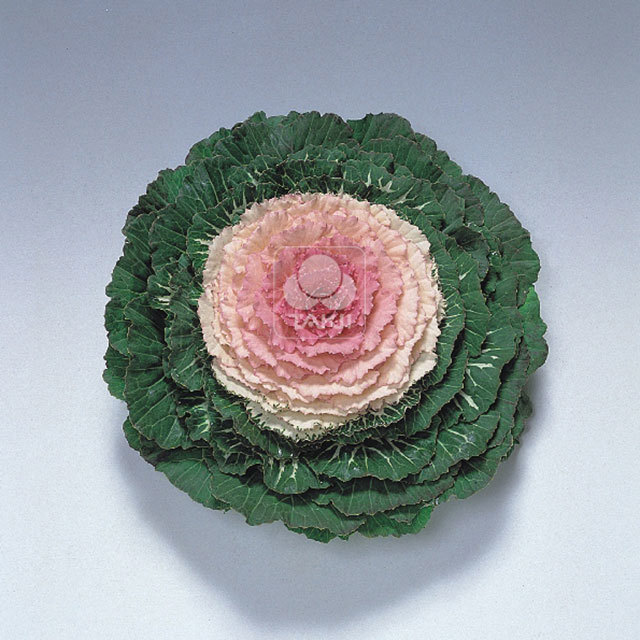
Brassica Pigeon F1 Round Victoria – White Powder

Why does your Brassica Pigeon F1 Round Victoria have white powder? Diagnose the cause and fix it with our step-by-step guide.

search Possible Causes

error

Powdery Mildew

A fungal disease caused by Oomycetes or Ascomycetes that creates a distinct white, flour-like coating on the leaves of brassicas. It thrives in high humidity with moderate temperatures and can cause leaves to become distorted or necrotic.

Very Common
lightbulb
How to confirm: Look for circular white patches that appear more like a dust layer than a liquid residue.
build How to fix it
shopping_cart Recommended Products
1 Apply an organic fungicide to eliminate the fungal spores and prevent the disease from spreading to healthy leaves.
2 Prune and remove any heavily infected leaves immediately, ensuring you dispose of them away from your garden to prevent further contamination.
3 Improve air circulation around your cabbage plants and avoid overhead watering to reduce the high humidity that fuels mildew growth.
warning

Cabbage White Butterfly Larvae (Excrement/Frass)

While the larvae themselves are caterpillars, their presence often results in white-colored debris or residue on leaves. Often, users mistake the concentrated white clusters of eggs or the pale appearance of young larvae for a powder.

Common
lightbulb
How to confirm: Inspect the undersides of the leaves for small green caterpillars or clusters of tiny white eggs.
build How to fix it
shopping_cart Recommended Products
1 Inspect the undersides of leaves for small white clusters of eggs or active caterpillars and manually remove them to stop further infestation.
2 Apply an organic insecticide spray to eliminate any remaining larvae and prevent new eggs from hatching.
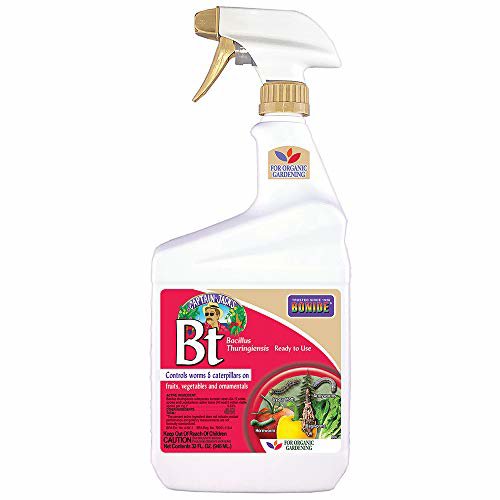
3 Use a biological control like Bacillus thuringiensis (BT) to specifically target and kill caterpillars without harming beneficial insects.
warning

Mineral/Salt Buildup

Excessive calcium or salts from hard water and fertilizers can leave a white, crusty residue on the leaf surface as water evaporates. This is more common in heavy feeder brassicas like Victoria Round when irrigation is frequent.

Common
lightbulb
How to confirm: Check if the white residue wipes off easily with a damp cloth without leaving fungal mycelium behind.
build How to fix it
shopping_cart Recommended Products
1 Gently wipe the leaves with a soft, damp cloth to remove the crusty mineral residue and prevent further leaf damage.
2 Flush the soil thoroughly with distilled or rainwater to leach out accumulated salts and minerals from the root zone.
3 Switch to a balanced, high-quality liquid fertilizer and monitor soil moisture closely using a meter to prevent over-fertilization.
info

Albinism (Chlorosis/Genetic mutation)

In rare cases, localized areas of leaves may lack chlorophyll due to extreme nutrient deficiency or genetic instability in the seedling. This can appear as a bright white or yellowish patch rather than a surface coating.

Rare
lightbulb
How to confirm: Observe if the white area is part of the leaf tissue itself rather than sitting on top of the leaf surface.
build How to fix it
shopping_cart Recommended Products
1 Isolate the affected seedling from the rest of your cabbage crop to prevent potential spread of any secondary issues and monitor for new white patches.
2 Apply a balanced organic fertilizer to rule out extreme nutrient deficiencies that can mimic chlorosis.
3 Check the soil moisture levels using a moisture meter to ensure the plant is not experiencing water stress, which can exacerbate nutrient uptake issues.

Other Brassica Pigeon F1 Round Victoria problems

Your plant might also be experiencing one of these issues:

local_hospital All symptoms eco All plants with white powder
favorite