Crassula nudicaulis herrei Drooping Leaves
eco Drooping Leaves

Crassula nudicaulis herrei – Drooping Leaves

Why does your Crassula nudicaulis herrei have drooping leaves? Diagnose the cause and fix it with our step-by-step guide.

search Possible Causes

error

Overwatering and Root Rot

Crassula nudicaulis herrei is a succulent that requires well-draining soil; excess moisture causes the roots to decay, preventing them from anchoring and transporting water to the leaves. This leads to a loss of turgor pressure and visible drooping.

Very Common
lightbulb
How to confirm: Gently tug on a leaf to see if it pulls away easily with a mushy base, and check if the soil feels damp deep in the pot.
build How to fix it
shopping_cart Recommended Products
1 Immediately remove the plant from its current pot and discard any mushy, black, or foul-smelling roots.
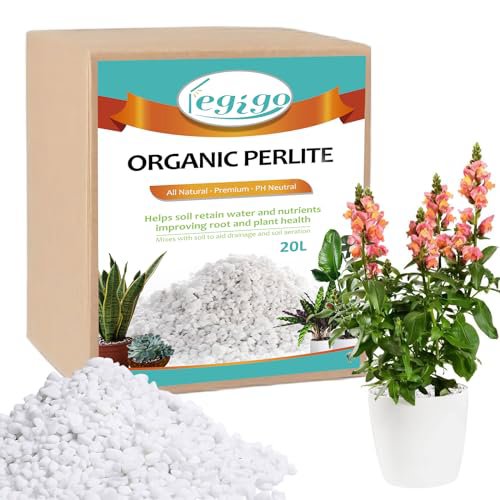
2 Repot the plant in a fresh, highly porous substrate to ensure rapid drainage and prevent future rot.
3 Use a moisture meter to monitor the soil and ensure you only water when the medium is completely dry.
error

Underwatering / Dehydration

As a succulent, this species stores water in its fleshy leaves. When the soil remains dry for too long, the plant consumes its internal reserves, causing the leaves to lose their plumpness and droop downward.

Very Common
lightbulb
How to confirm: Check if the leaves feel wrinkled or soft to the touch and if the soil has pulled away from the edges of the container.
build How to fix it
shopping_cart Recommended Products
1 Check the soil moisture level immediately using a moisture meter to confirm the depth of dehydration.
2 Thoroughly soak the soil until water drains from the bottom of the pot to rehydrate the plant's internal reserves.
3 Ensure the plant is in a well-draining container with a drainage tray to prevent water from pooling and causing rot after rehydration.
warning

Temperature Stress (Extreme Cold)

While Crassula species are somewhat hardy, sudden drops in temperature can shock the metabolic processes of this specific cultivar. Cold stress often manifests as limp, drooping foliage before potential blackening of tissues.

Common
lightbulb
How to confirm: Monitor if the drooping coincided with a recent cold snap or if the plant is near a drafty window.
build How to fix it
shopping_cart Recommended Products
1 Immediately move the plant to a warmer, draft-free environment to stabilize its temperature and prevent further metabolic shock.
2 Monitor the soil moisture closely, as cold temperatures can slow evaporation; use a moisture meter to ensure the soil is not staying too wet, which could lead to rot during cold stress.
3 Avoid fertilizing the plant until it shows signs of new, firm growth, as feeding a stressed plant can cause further damage.
warning

Nutrient Deficiency (Nitrogen)

A lack of essential nitrogen can prevent the plant from maintaining structural cell walls. While less common in succulents, prolonged periods without fertilization in depleted soil can result in weakened, drooping growth.

Common
lightbulb
How to confirm: Observe if the drooping is accompanied by a distinct paling or yellowing of the older leaves.
build How to fix it
shopping_cart Recommended Products
1 Apply a diluted liquid fertilizer to provide immediate nitrogen uptake and support cell wall strength.
2 Check the soil moisture levels with a meter to ensure the drooping isn't actually caused by underwatering or root rot.
3 Refresh the growing medium with a well-draining succulent mix to replenish depleted nutrients.

Other Crassula nudicaulis herrei problems

Your plant might also be experiencing one of these issues:

local_hospital All symptoms eco All plants with drooping leaves
favorite