Crassula nudicaulis herrei Tiny Black Flies
eco Tiny Black Flies

Crassula nudicaulis herrei – Tiny Black Flies

Why does your Crassula nudicaulis herrei have tiny black flies? Diagnose the cause and fix it with our step-by-step guide.

search Possible Causes

error

Fungus Gnats (Sciarid Fly)

The larvae live in the upper layers of organic soil and feed on decaying matter and fine root hairs. In succulents like Crassula, they thrive when the substrate remains consistently damp for long periods.

Very Common
lightbulb
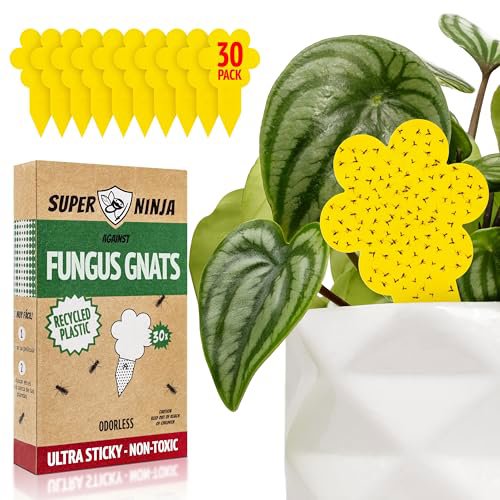
How to confirm: Place a yellow sticky trap near the soil surface to see if small black flies are captured.
build How to fix it
shopping_cart Recommended Products
1 Apply a biological control to eliminate the larvae and adult flies in the soil.
2 Reduce watering frequency and allow the soil to dry out completely between waterings to disrupt the gnat life cycle.
3 Top-dress the soil with a layer of horticultural perlite to create a dry barrier that prevents adults from laying eggs.
warning

Saprophagous Flies (Decomposition Feeders)

These flies are attracted to the organic breakdown of old leaves or rotting stem tissue at the base of the plant. If the Crassula has accumulated dead, mushy foliage, it provides an ideal breeding ground.

Common
lightbulb
How to confirm: Inspect the base of the stems for any signs of softening, discoloration, or decaying leaf matter.
build How to fix it
shopping_cart Recommended Products
1 Inspect the base of the plant and remove any dead, mushy, or decaying leaves and stem tissue to eliminate the breeding ground for the flies.
2 Apply a biological control to target the flies and their larvae; use a yellow sticky trap to capture adult flies.
3 Ensure the plant is in a well-draining medium and avoid overwatering to prevent further organic decomposition at the soil surface.
warning

Fruit Flies (Drosophilidae)

While they do not feed on the plant itself, they are attracted to the fermenting sugars in overwatered, anaerobic soil or nearby decaying organic matter. They often mistake the moist surface of succulent soil for a breeding site.

Common
lightbulb
How to confirm: Check if there is any fermenting compost or overripe fruit near the plant's pot.
build How to fix it
shopping_cart Recommended Products
1 Reduce watering frequency and allow the soil to dry out completely to eliminate the moist, fermenting environment that attracts fruit flies.
2 Set out yellow sticky traps near the plant to capture the adult flies and disrupt their breeding cycle.
3 Inspect nearby organic matter, such as compost or decaying fruit, and remove any sources of fermenting sugars.

Other Crassula nudicaulis herrei problems

Your plant might also be experiencing one of these issues:

local_hospital All symptoms eco All plants with tiny black flies
favorite