Crassula nudicaulis herrei Sudden Leaf Drop
eco Sudden Leaf Drop

Crassula nudicaulis herrei – Sudden Leaf Drop

Why does your Crassula nudicaulis herrei have sudden leaf drop? Diagnose the cause and fix it with our step-by-step guide.

search Possible Causes

error

Overwatering and Root Rot

This succulent is highly susceptible to moisture retention in the substrate. Excessive water causes root hypoxia, leading to a breakdown of the vascular system and rapid shedding of leaves as the plant enters survival mode.

Very Common
lightbulb
How to confirm: Check if the soil feels damp deep into the pot or if the base of the stems feel soft and mushy.
build How to fix it
shopping_cart Recommended Products
1 Immediately remove the plant from the pot and inspect the roots for any mushy, dark, or foul-smelling decay; prune away all rot using sterilized tools.
2 Repot the plant in a fresh, highly porous substrate designed for succulents to ensure rapid drainage and prevent future moisture retention.
3 Use a moisture meter to monitor the soil and ensure you only water when the substrate is completely dry to the touch.
error

Temperature Shock

Crassula nudicaulis herrei is sensitive to sudden environmental changes, especially cold drafts. A significant drop in temperature can trigger a stress response resulting in immediate leaf abscission.

Very Common
lightbulb
How to confirm: Check if the plant was recently moved near a window, air conditioning vent, or experienced a nighttime temperature drop.
build How to fix it
shopping_cart Recommended Products
1 Immediately move the plant to a stable, warm environment away from cold drafts, windows, or air conditioning vents.
2 Monitor the soil moisture closely to ensure the plant is not overwatered while in a stressed state, using a moisture meter to prevent root rot.
3 If the plant has been in a cramped or poorly aerated container, consider repotting in a well-draining succulent mix with added perlite to support root recovery.
warning

Pest Infestation (Mealybugs or Scale)

Sap-sucking insects target the nodes and leaf bases of Crassula species. As they drain nutrients, the plant loses the ability to support its foliage, causing leaves to detach easily.

Common
lightbulb
How to confirm: Inspect the crevices between leaves and along the stems for small white cottony masses or hard brown bumps.
build How to fix it
shopping_cart Recommended Products
1 Inspect the leaf bases and nodes for white, cottony masses (mealybugs) or small, hard bumps (scale) and treat the plant immediately with an organic insecticide spray.
2 Gently wipe away visible pests using a cotton swab dipped in isopropyl alcohol to prevent further nutrient depletion and leaf drop.
3 Isolate the plant from your other greenery to prevent the infestation from spreading to healthy succulents.
warning

Light Deprivation

While not always causing 'sudden' drop, a rapid reduction in light intensity (such as moving from a sunny sill to a dark shelf) can cause the plant to shed older leaves to conserve energy for new growth.

Common
lightbulb
How to confirm: Evaluate if the plant's position has changed or if seasonal changes have significantly reduced sunlight availability.
build How to fix it
shopping_cart Recommended Products
1 Relocate your plant to a brighter location, such as a south-facing window, to ensure it receives sufficient sunlight to maintain its foliage.
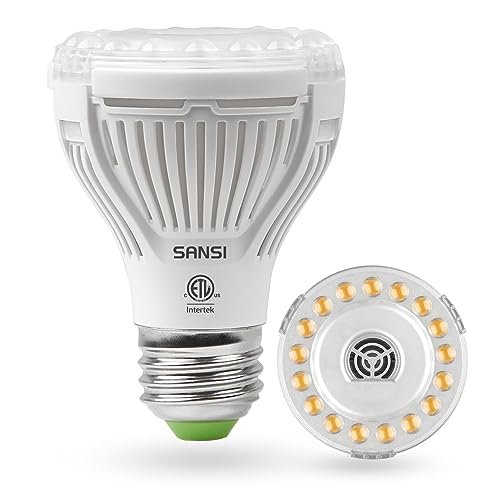
2 If natural light is insufficient, supplement with a full-spectrum LED grow light to stabilize the plant's energy production.
3 Monitor the soil moisture levels closely during this transition, as lower light levels often require less frequent watering to prevent root rot.

Other Crassula nudicaulis herrei problems

Your plant might also be experiencing one of these issues:

local_hospital All symptoms eco All plants with sudden leaf drop
favorite