Crassula nudicaulis herrei Sticky Leaves
eco Sticky Leaves

Crassula nudicaulis herrei – Sticky Leaves

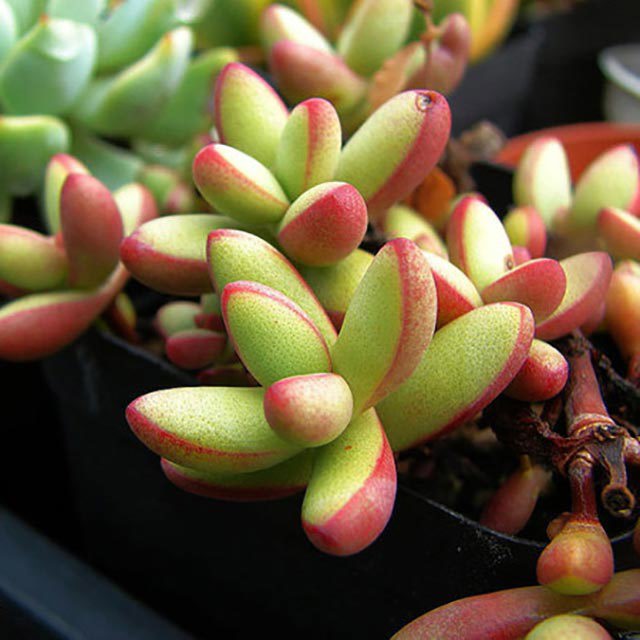
Why does your Crassula nudicaulis herrei have sticky leaves? Diagnose the cause and fix it with our step-by-step guide.

search Possible Causes

error

Sap Suction Insects (Aphids or Mealybugs)

Small insects like aphids or mealybugs pierce the succulent's cell walls to feed on sap, excreting a sugary substance known as 'honeydew' that creates the sticky residue. This is common in Crassula species when humidity levels are high and airflow is low.

Very Common
lightbulb
How to confirm: Inspect the undersides of leaves and the leaf axils for tiny white cottony spots or small moving insects.
build How to fix it
shopping_cart Recommended Products
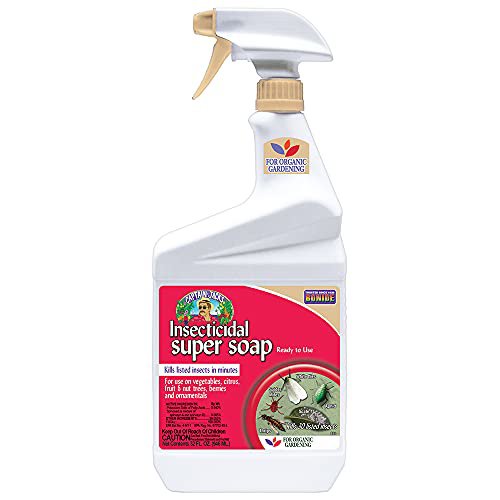
1 Treat the plant with an organic insecticide to eliminate the aphid or mealybug population and stop the production of honeydew.
2 Wipe the sticky residue off the leaves using a soft cloth dampened with water or insecticidal soap to prevent fungal growth.
3 Improve airflow around the plant and reduce humidity to make the environment less hospitable for sap-sucking insects.
error

Scale Insects

Scale insects attach themselves to the stems and leaves of the Coin Plant, slowly sucking nutrients and leaving a sticky honeydew coating on the leaf surfaces. These pests are often difficult to see because they resemble small bumps or part of the plant's skin.

Very Common
lightbulb
How to confirm: Look for stationary, hard, brown or tan bumps on the stems that can be scraped off with a fingernail.
build How to fix it
shopping_cart Recommended Products
1 Treat the plant with an organic insecticide to eliminate the scale insects and stop the production of honeydew.
2 Physically remove visible scale insects from the stems and leaves using a cotton swab dipped in rubbing alcohol.
3 Wipe the sticky residue off the leaves with a damp cloth to prevent fungal growth and allow the plant to breathe.
warning

Sooty Mold Development

While not the primary cause of stickiness, sooty mold is a black fungus that grows specifically on the honeydew left behind by pests. This secondary infection can coat your Crassula leaves in a dark, grimy film.

Common
lightbulb
How to confirm: Check if the sticky residue has developed a black, velvety layer that obscures the green color of the leaves.
build How to fix it
shopping_cart Recommended Products
1 Identify and eliminate the underlying pest source, such as aphids, scale, or mealybugs, which are producing the sticky honeydew.
2 Gently wipe the black sooty mold film off the leaves using a soft cloth dampened with water or a mild insecticidal soap to allow the plant to breathe.
3 Monitor soil moisture levels to ensure the environment does not remain overly humid, which can encourage further fungal growth.
warning

Excessive Fertilization (Salt Accumulation)

Over-application of liquid fertilizers can lead to salt buildup in the succulent's tissues, which may exude through the leaf pores (hydathodes) as a sticky residue. This is particularly common in Crassula if the soil medium has become depleted or overly concentrated.

Common
lightbulb
How to confirm: Check for white, crusty mineral deposits on the soil surface and evaluate your recent fertilization frequency.
build How to fix it
shopping_cart Recommended Products
1 Flush the soil thoroughly with room-temperature water to leach out accumulated mineral salts and excess fertilizer residue.
2 Repot the plant in a fresh, well-draining succulent mix to provide a clean growing medium free of salt buildup.
3 Monitor soil moisture levels closely to ensure you do not overwater during the recovery phase.

Other Crassula nudicaulis herrei problems

Your plant might also be experiencing one of these issues:

local_hospital All symptoms eco All plants with sticky leaves
favorite