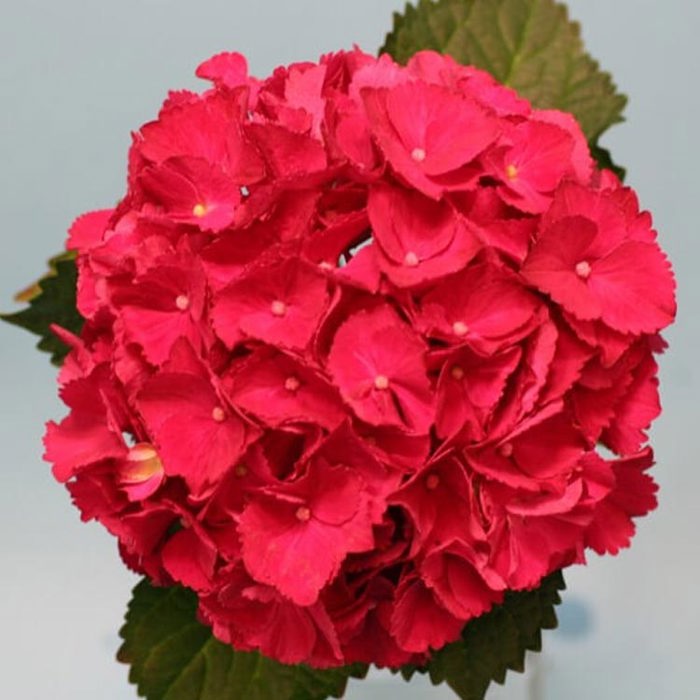
Hydrangea macrophylla Magical Allegretto Drooping Leaves
eco Drooping Leaves

Hydrangea macrophylla Magical Allegretto – Drooping Leaves

Why does your Hydrangea macrophylla Magical Allegretto have drooping leaves? Diagnose the cause and fix it with our step-by-step guide.

search Possible Causes

error

Water Stress (Underwatering)

Hydrangeas have large, thin leaves with high transpiration rates, making them extremely sensitive to dry soil. When the substrate dries out, the plant loses turgor pressure, leading to rapid wilting.

Very Common
lightbulb
How to confirm: Insert your finger 2 inches into the soil; if it feels bone dry, the plant needs immediate deep watering.
build How to fix it
shopping_cart Recommended Products
1 Immediately check the soil moisture level using a moisture meter to confirm the depth of dehydration.
2 Thoroughly soak the soil with water until it drains from the bottom, ensuring the entire root ball is saturated.
3 Move the plant to a shaded area to reduce transpiration rates and prevent further moisture loss while it recovers.
error

Root Rot (Overwatering/Poor Drainage)

While they love moisture, constant saturated soil prevents oxygen from reaching the roots of 'Magical Allegretto'. This causes root decay, which physically prevents the plant from transporting water to the leaves, resulting in wilting symptoms.

Very Common
lightbulb
How to confirm: Check if the soil remains soggy for days and inspect the roots for a dark, slimy texture and foul odor.
build How to fix it
shopping_cart Recommended Products
1 Immediately stop watering and allow the soil to dry out significantly to restore oxygen to the root zone.
2 Repot the hydrangea in a well-draining medium, incorporating perlite to improve aeration and prevent future saturation.
3 Ensure the plant is in a container with adequate drainage and use a saucer to catch excess water, but do not let the pot sit in standing water.
warning

Heat Stress/Transpiration Imbalance

High afternoon temperatures can cause the leaves to lose water faster than the root system can replace it. This is common in 'Magical' series cultivars if they are placed in direct, intense sunlight during summer peaks.

Common
lightbulb
How to confirm: Observe if the drooping occurs primarily during midday heat and recovers once the sun goes down or temperatures drop.
build How to fix it
shopping_cart Recommended Products
1 Move the plant to a location with filtered light or afternoon shade to reduce the rate of transpiration and prevent further wilting.
2 Check the soil moisture levels to ensure the root zone is not bone dry; use a moisture meter to avoid the extremes of overwatering or underwatering.
3 Apply a mulch layer or use a pebble tray to help maintain consistent soil moisture and cool the root zone during heat waves.
warning

Fungal Pathogen (Phytophthora)

Soil-borne oomycetes like Phytophthora can attack the root system of Hydrangea macrophylla, particularly in humid environments. This systemic damage leads to progressive wilting that does not respond to watering.

Common
lightbulb
How to confirm: Look for dark, water-soaked lesions on the lower stems or base of the plant alongside the drooping leaves.
build How to fix it
shopping_cart Recommended Products
1 Improve soil drainage and aeration to combat the soil-borne pathogen by mixing in horticultural perlite to prevent waterlogged conditions.
2 Apply a fungicide to manage the fungal pathogen and protect healthy plant tissues from further spread.
3 Monitor soil moisture levels closely with a moisture meter to ensure you are not overwatering, which exacerbates Phytophthora growth.

Other Hydrangea macrophylla Magical Allegretto problems

Your plant might also be experiencing one of these issues:

local_hospital All symptoms eco All plants with drooping leaves
favorite