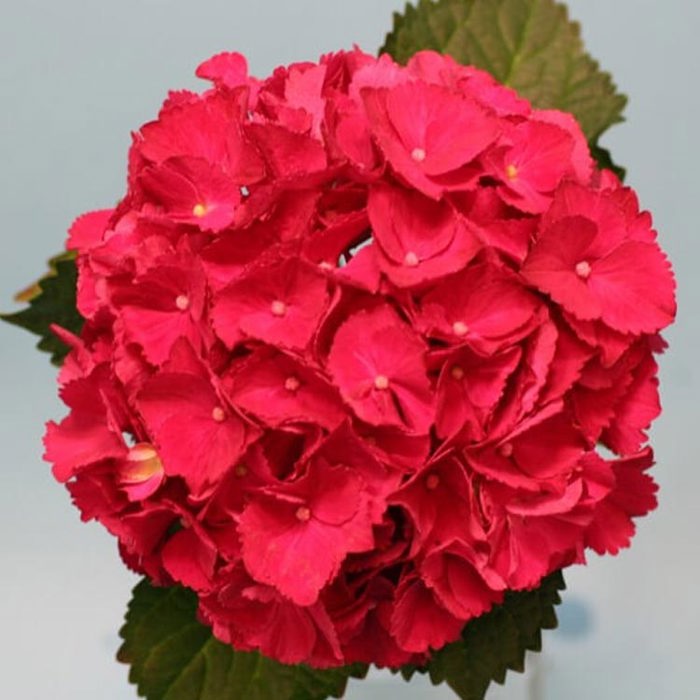
Hydrangea macrophylla Magical Allegretto Leggy Stems
eco Leggy Stems

Hydrangea macrophylla Magical Allegretto – Leggy Stems

Why does your Hydrangea macrophylla Magical Allegretto have leggy stems? Diagnose the cause and fix it with our step-by-step guide.

search Possible Causes

error

Insufficient Light Exposure

Hydrangeas exhibit etiolation, where stems stretch excessively to reach a light source. If this cultivar is placed in too much shade or deep interior garden spots, the internodes will elongate rapidly, resulting in weak, 'leggy' growth.

Very Common
lightbulb
How to confirm: Observe if the plant is leaning toward a specific light source and check if it receives at least 6 hours of filtered sunlight.
build How to fix it
shopping_cart Recommended Products
1 Move your Hydrangea to a location that receives more filtered sunlight or bright, indirect light to stop the stems from stretching.
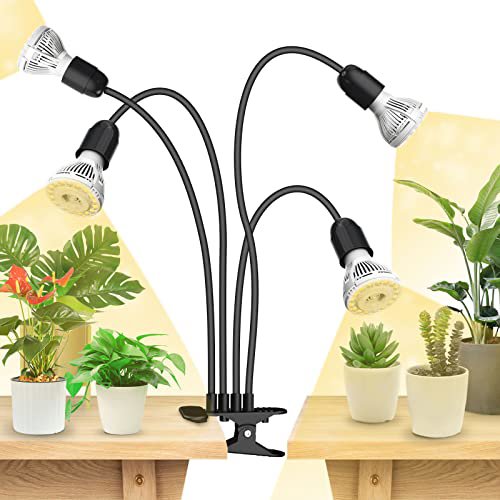
2 Supplement with a full-spectrum grow light to provide the necessary energy for denser, stronger stem development.
3 Prune the elongated, weak stems using sharp bypass pruners to encourage new, bushier growth from the base.
error

Excessive Nitrogen Fertilization

High nitrogen levels promote rapid, lush vegetative growth but result in structurally weak, spindly stems. This imbalance causes the 'Magical Allegretto' to grow tall quickly without developing the stem strength needed to support its blooms.

Very Common
lightbulb
How to confirm: Review your recent fertilizer use and check if the new growth is very dark green but lacks structural rigidity.
build How to fix it
shopping_cart Recommended Products
1 Flush the soil with plenty of fresh water to leach out excess nitrogen salts from the root zone.
2 Prune the spindly, leggy stems back to a stronger, sturdier section of the plant to encourage denser growth.
3 Switch to a balanced or low-nitrogen fertilizer to support stem strength and bloom development.
warning

Inadequate Pruning/Overgrowth

Failure to prune old, woody stems or allow too many vigorous shoots to compete for resources can lead to a crowded, leggy appearance. Without regular maintenance, the plant lacks the structural density characteristic of well-managed mopheads.

Common
lightbulb
How to confirm: Examine the base of the plant to see if there is an accumulation of unpruned, woody stems from previous seasons.
build How to fix it
shopping_cart Recommended Products
1 Use sharp pruning shears to trim back leggy or overly long stems, ensuring you make clean cuts just above a healthy node to encourage bushier growth.
2 Thin out crowded or dead woody stems to improve airflow and reduce competition for nutrients among the remaining shoots.
3 Apply a balanced fertilizer to provide the necessary energy for new, denser structural growth following the pruning.
warning

Overwatering and Poor Drainage

Constant moisture in the root zone can lead to soft, succulent growth. In Hydrangeas, this manifests as elongated, weak stems that lack the ability to hold their own weight due to cell wall weakness.

Common
lightbulb
How to confirm: Push your finger deep into the soil to see if it remains saturated for several days after watering.
build How to fix it
shopping_cart Recommended Products
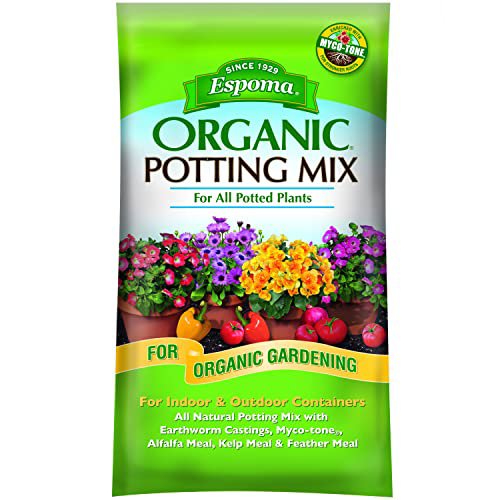
1 Improve drainage by repotting the hydrangea into a container with adequate drainage holes and a well-aerating medium.
2 Amend the existing soil with horticultural perlite to increase aeration and prevent the root zone from remaining waterlogged.
3 Monitor soil moisture levels closely using a moisture meter to ensure the plant is only watered when the top inch of soil is dry.

Other Hydrangea macrophylla Magical Allegretto problems

Your plant might also be experiencing one of these issues:

local_hospital All symptoms eco All plants with leggy stems
favorite