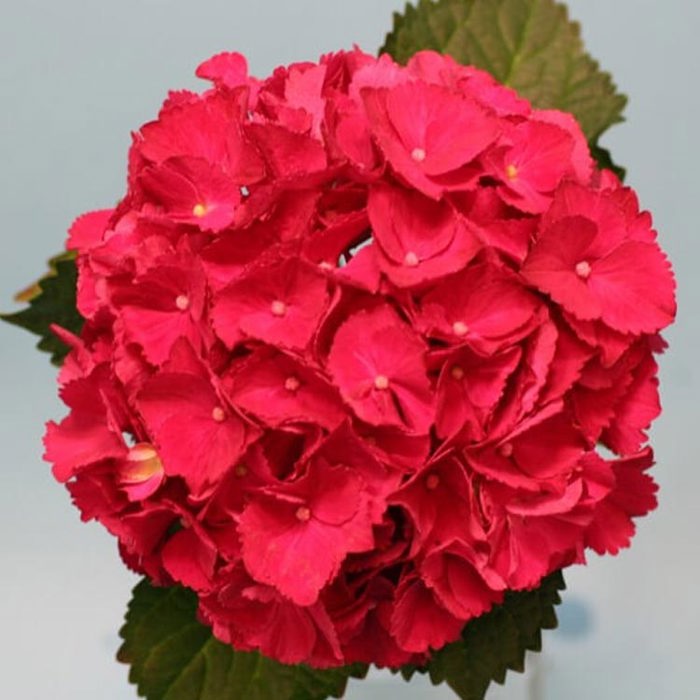
Hydrangea macrophylla Magical Allegretto Yellow Leaves
eco Yellow Leaves

Hydrangea macrophylla Magical Allegretto – Yellow Leaves

Why does your Hydrangea macrophylla Magical Allegretto have yellow leaves? Diagnose the cause and fix it with our step-by-step guide.

search Possible Causes

error

Iron Chlorosis (Nutrient Deficiency)

The interveinal yellowing on new leaves is a classic sign that the plant cannot uptake iron, often due to high soil pH preventing solubility. In Hydrangeas, this prevents chlorophyll production even if iron is present in the soil.

Very Common
lightbulb
How to confirm: Check if the leaf veins remain green while the tissue between them turns bright yellow.
build How to fix it
shopping_cart Recommended Products
1 Apply a chelated iron supplement or a specialized fertilizer to increase iron availability to the roots.
2 Monitor soil pH levels to ensure the environment remains acidic (ideally between 5.2 and 5.5) to prevent iron from becoming locked in the soil.
3 Amend the soil with organic matter like compost or peat moss to help lower the pH and improve nutrient uptake.
error

Overwatering and Root Suffocation

Excessive moisture in the potting medium or heavy clay soil deprives roots of oxygen, leading to root decay. As the roots fail, they cannot transport nitrogen and magnesium, causing widespread leaf yellowing.

Very Common
lightbulb
How to confirm: Stick your finger two inches into the soil; if it feels saturated and smells slightly sour, you are overwatering.
build How to fix it
shopping_cart Recommended Products
1 Immediately reduce watering frequency and ensure the plant is in a well-draining container or soil to prevent further root rot.
2 Amend the existing soil with horticultural perlite to improve aeration and prevent future oxygen deprivation.
3 Apply a magnesium and calcium supplement to help restore nutrient uptake and address the yellowing caused by root damage.
warning

Nitrogen Deficiency

A lack of nitrogen causes older, lower leaves to turn pale yellow first as the plant mobilizes nutrients to new growth. This is common in Magically series hydrangeas if they haven't been fertilized during their active growing season.

Common
lightbulb
How to confirm: Observe if the yellowing starts on the oldest leaves at the base of the plant and moves upward.
build How to fix it
shopping_cart Recommended Products
1 Apply a nitrogen-rich liquid fertilizer to provide immediate nutrient uptake for the plant.
2 Incorporate an organic soil amendment like worm castings into the top layer of soil to provide long-term, slow-release nitrogen.
3 Monitor soil moisture levels with a meter to ensure the plant can effectively absorb the newly applied nutrients.
warning

Temperature Stress (Cold Shock)

Sudden drops in temperature or late spring frosts can cause physiological stress, leading to temporary chlorosis. This disrupts the metabolic processes required for maintaining green foliage in deciduous hydrangeas.

Common
lightbulb
How to confirm: Check if the yellowing coincided with a recent frost event or a sudden cold snap at night.
build How to fix it
shopping_cart Recommended Products
1 Protect the plant from further temperature fluctuations by moving it to a sheltered area or covering it with a frost blanket during cold nights.
2 Monitor soil moisture closely to ensure the roots are not sitting in cold, waterlogged soil, which can exacerbate temperature stress.
3 Once the temperature stabilizes, apply a balanced liquid fertilizer to help the plant recover its metabolic functions and regain chlorophyll.

Other Hydrangea macrophylla Magical Allegretto problems

Your plant might also be experiencing one of these issues:

local_hospital All symptoms eco All plants with yellow leaves
favorite