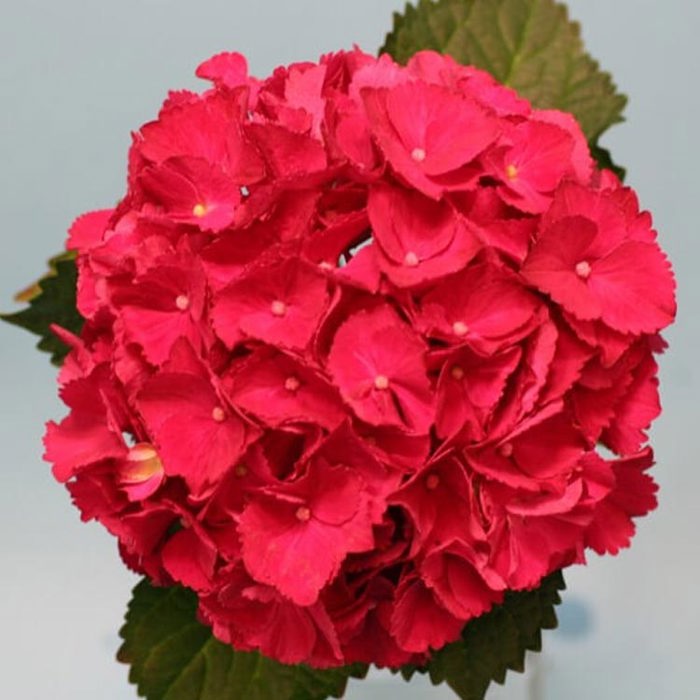
Hydrangea macrophylla Magical Allegretto White Cottony Spots
eco White Cottony Spots

Hydrangea macrophylla Magical Allegretto – White Cottony Spots

Why does your Hydrangea macrophylla Magical Allegretto have white cottony spots? Diagnose the cause and fix it with our step-by-step guide.

search Possible Causes

error

Mealybugs

These small, soft-bodied insects secrete a white, waxy, cottony substance to protect themselves and their eggs. They tend to cluster in the leaf axils and tight crevices of 'Magical Allegretto' hydrangea blooms.

Very Common
lightbulb
How to confirm: Use a magnifying glass to check if the white spots move or are attached to tiny, crawling insects near the stems.
build How to fix it
shopping_cart Recommended Products
1 Apply an organic insecticide spray to the affected areas, ensuring you coat the leaf axils and crevices where the mealybugs are clustered.
2 Manually remove visible cottony clusters using a cotton swab dipped in isopropyl alcohol to kill the insects on contact.
3 Prune away any heavily infested stems or blooms to prevent the infestation from spreading to other parts of the hydrangea.
warning

Cottony Scale

Scale insects produce a white, fluffy coating that can resemble cotton. As they feed on the sap of the hydrangea, they can cause leaf yellowing and stunted growth in the cultivar.

Common
lightbulb
How to confirm: Gently scrape the white spot with your fingernail; if you find a hard shell underneath, it is likely scale.
build How to fix it
shopping_cart Recommended Products
1 Treat the plant with an organic insecticide/miticide spray to eliminate the scale insects and their protective white coating.
2 Physically remove visible scale clusters from stems and leaves using a soft cloth or cotton swab dipped in rubbing alcohol.
3 Monitor soil moisture levels to ensure the plant is not under environmental stress, which can make it more susceptible to pests.
warning

Powdery Mildew (Early stage/Spore mass)

While typically appearing as a fine dust, dense colonies of fungal spores can look like tufts of white cotton on the surface of hydrangea leaves.

Common
lightbulb
How to confirm: Check if the white spots rub off easily with your finger and if there is a fuzzy texture spreading across the leaf surface.
build How to fix it
shopping_cart Recommended Products
1 Apply an organic fungicide to the affected leaves to eliminate the fungal spore masses and prevent the spread of powdery mildew.
2 Prune and dispose of any heavily infected leaves to reduce the fungal load on the plant, ensuring you do not compost the diseased material.
3 Improve air circulation around the hydrangea by thinning out dense foliage and avoid overhead watering to keep the leaf surfaces dry.
warning

Woolly Aphids

These aphids are covered in a white, waxy secretion that gives them a cotton-like appearance. They congregate on new growth and flower buds of Hydrangeas, often causing leaf curling.

Common
lightbulb
How to confirm: Inspect the underside of the leaves for clusters of small, white insects accompanied by sticky honeydew residue.
build How to fix it
shopping_cart Recommended Products
1 Apply an organic insecticide spray to the plant to eliminate the woolly aphids and their waxy secretions.
2 Prune away any heavily infested new growth or flower buds to prevent the aphids from spreading to healthy parts of the hydrangea.
3 Monitor the plant's moisture levels using a soil meter to ensure the plant remains hydrated, as aphid infestations can stress the plant's water uptake.

Other Hydrangea macrophylla Magical Allegretto problems

Your plant might also be experiencing one of these issues:

local_hospital All symptoms eco All plants with white cottony spots
favorite


