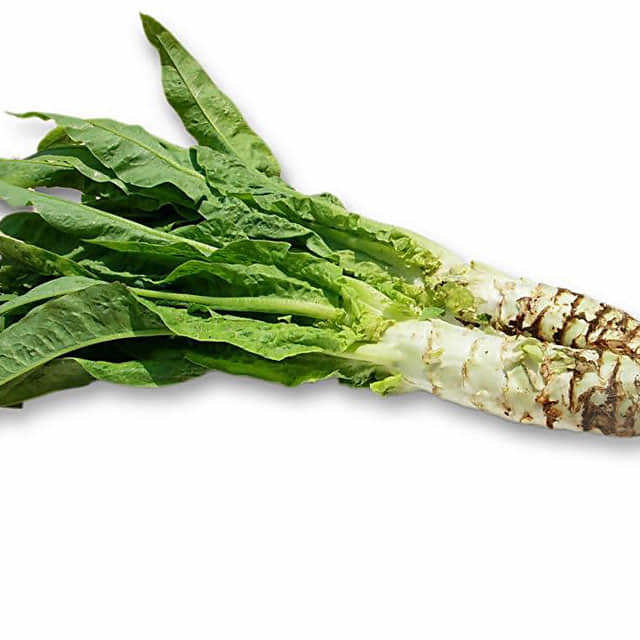
Lactuca sativa Brown Leaf Tips
eco Brown Leaf Tips

Lactuca sativa – Brown Leaf Tips

Why does your Lactuca sativa have brown leaf tips? Diagnose the cause and fix it with our step-by-step guide.

pets Pet Friendly

search Possible Causes

error

Tip Burn

This is a physiological disorder caused by localized calcium deficiency in developing leaves. It often occurs when high humidity or rapid growth prevents the plant from transporting enough calcium to the leaf margins.

Very Common
lightbulb
How to confirm: Check if the browning is limited strictly to the edges of young, inner leaves while the rest of the plant looks healthy.
build How to fix it
shopping_cart Recommended Products
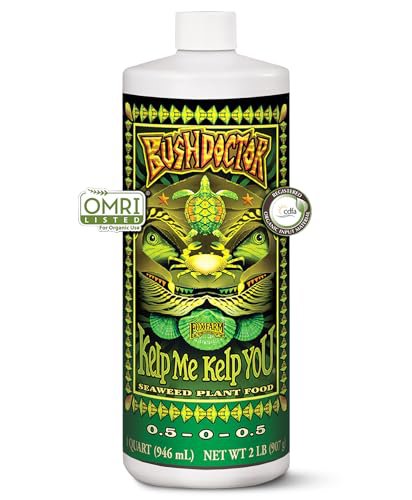
1 Apply a calcium supplement to the soil to address the localized deficiency in developing leaves.
2 Improve airflow around the lettuce plants to reduce humidity and facilitate better calcium transport through transpiration.
3 Ensure consistent soil moisture levels to prevent growth spurts that outpace calcium uptake.
error

Salt Accumulation (Salinity Stress)

Excessive fertilizer salts or high sodium levels in irrigation water can cause osmotic stress. This leads to desiccation of the leaf margins, manifesting as brown, crispy tips.

Very Common
lightbulb
How to confirm: Test your soil/growing medium for high electrical conductivity (EC) or check if you have recently applied heavy doses of nitrogen fertilizer.
build How to fix it
shopping_cart Recommended Products
1 Flush the growing medium thoroughly with large amounts of fresh, low-sodium water to leach out accumulated mineral salts.
2 Reduce the frequency of fertilization and ensure you are using a diluted strength to prevent further salt buildup.
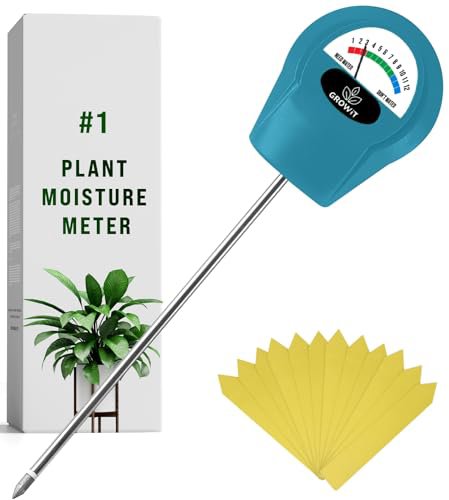
3 Monitor soil moisture levels closely using a moisture meter to ensure consistent hydration without overwatering.
warning

Drought Stress

Lettuce has a shallow root system and high water content; insufficient soil moisture causes the plant to sacrifice leaf margins to conserve water. This leads to rapid drying and browning of the tips.

Common
lightbulb
How to confirm: Feel the soil depth; if it is dry several centimeters below the surface, the plant is likely dehydrated.
build How to fix it
shopping_cart Recommended Products
1 Check the soil moisture level immediately using a moisture meter to confirm the depth of the drought stress.
2 Apply consistent watering to the base of the plant, ensuring the shallow root system remains moist but not waterlogged.
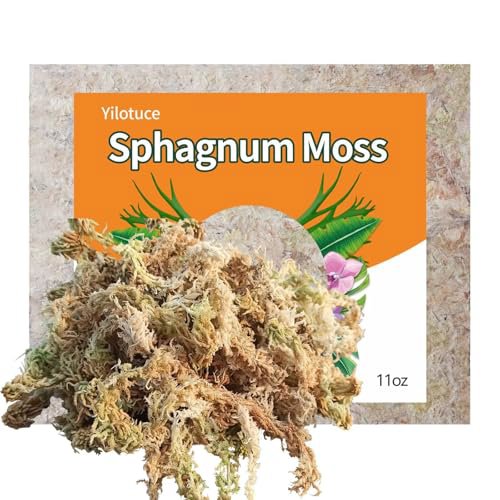
3 Mulch the soil surface with organic matter to help retain moisture and prevent future evaporation.
warning

Water Temperature Fluctuations

Extreme temperature shifts can disrupt the transpiration stream. If the roots are in very cold or very hot water/soil, it can interfere with nutrient uptake, leading to necrotic leaf edges.

Common
lightbulb
How to confirm: Monitor the ambient temperature and the consistency of your irrigation water temperature during heatwaves or cold snaps.
build How to fix it
shopping_cart Recommended Products
1 Stabilize the root zone temperature by using mulch or a consistent water source to prevent rapid shifts between hot and cold.
2 Monitor soil moisture levels closely to ensure the plant is not experiencing drought stress alongside temperature shifts.
3 Apply a balanced liquid fertilizer to help the plant recover and support nutrient uptake during environmental stress.

Other Lactuca sativa problems

Your plant might also be experiencing one of these issues:

local_hospital All symptoms eco All plants with brown leaf tips
favorite