Lactuca sativa Leggy Stems
eco Leggy Stems

Lactuca sativa – Leggy Stems

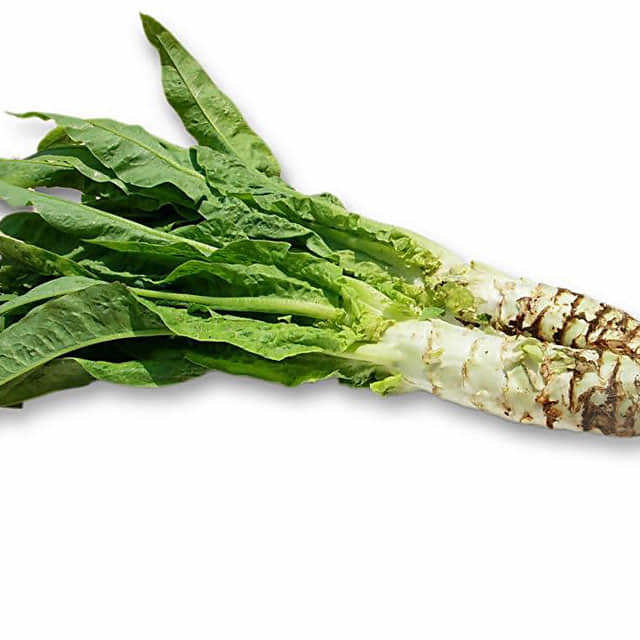
Why does your Lactuca sativa have leggy stems? Diagnose the cause and fix it with our step-by-step guide.

pets Pet Friendly

search Possible Causes

error

Insufficient Light Intensity

Lettuce is a light-demanding crop; when light levels are too low, the plant undergoes etiolation, stretching its stems excessively to reach for a light source. This results in weak, spindly growth that lacks structural integrity.

Very Common
lightbulb
How to confirm: Observe if the plants are leaning toward a window or if the spacing between leaves has increased significantly.
build How to fix it
shopping_cart Recommended Products
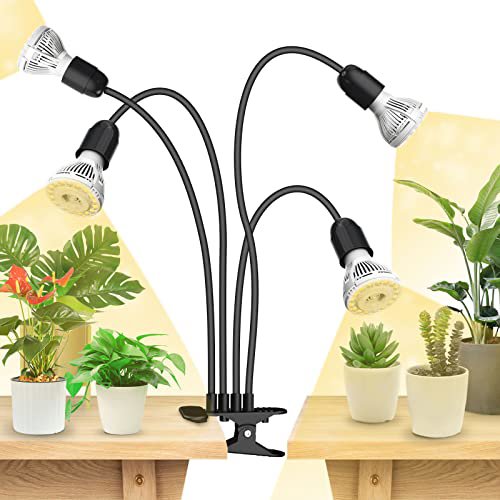
1 Increase light exposure by moving the lettuce to a brighter location or providing supplemental lighting to prevent further stretching.
2 Utilize a full-spectrum grow light to ensure the plant receives the necessary intensity for structural development.
3 Prune any excessively weak or spindly stems that cannot support themselves to encourage more compact growth.
error

High Temperatures/Heat Stress

Warm nighttime and daytime temperatures can trigger early physiological changes in Lactuca sativa, causing the plant to accelerate stem elongation as part of a bolting response. This makes the stems appear thin and elongated compared to typical rosette growth.

Very Common
lightbulb
How to confirm: Check if recent night temperatures have consistently stayed above 70°F (21°C).
build How to fix it
shopping_cart Recommended Products
1 Relocate the lettuce to a cooler area or provide shade during the hottest parts of the day to slow down the bolting process.
2 Increase soil moisture consistency to mitigate heat stress, using a moisture meter to ensure the roots do not dry out.
3 Apply a liquid seaweed fertilizer to help the plant recover from environmental stress and support healthier growth.
warning

Overcrowding

When lettuce seedlings are planted too densely, they compete for limited resources including light and nutrients. This competition forces the stems to elongate rapidly to escape the shade of neighboring plants.

Common
lightbulb
How to confirm: Count the number of seedlings per square inch and check if leaves are overlapping significantly.
build How to fix it
shopping_cart Recommended Products
1 Thin out the seedlings by removing the smaller, weaker plants, leaving enough space between survivors to allow for proper airflow and light penetration.
2 Provide supplemental lighting to prevent further stem elongation, especially if growing indoors.
3 Apply a balanced liquid fertilizer to help the remaining plants recover from nutrient competition.
warning

Excessive Nitrogen Availability

An imbalance in nutrient ratios, specifically an overabundance of nitrogen without sufficient potassium or light, can promote rapid, succulent stem growth. This leads to 'soft' leggy growth that is prone to lodging.

Common
lightbulb
How to confirm: Review your recent fertilization schedule for high-nitrogen organic or synthetic inputs.
build How to fix it
shopping_cart Recommended Products
1 Increase light exposure to strengthen stems and prevent further stretching. If growing indoors, use a full-spectrum grow light to provide the necessary energy for structural development.
2 Adjust your fertilization routine to a more balanced NPK ratio. Avoid high-nitrogen formulas like Grow Big and instead use a balanced or potassium-focused nutrient to support sturdy plant structure.
3 Monitor soil moisture levels closely to ensure the plant is not receiving excess water alongside the nitrogen, which can exacerbate soft growth.

Other Lactuca sativa problems

Your plant might also be experiencing one of these issues:

local_hospital All symptoms eco All plants with leggy stems
favorite